AAIB Details Cameron Z-133 Balloon Power Line Strike in Warwickshire
British investigators highlighted hazards of uncharted domestic power cables after a Cameron Z-133 hot air balloon basket severed electricity lines in Warwickshire.

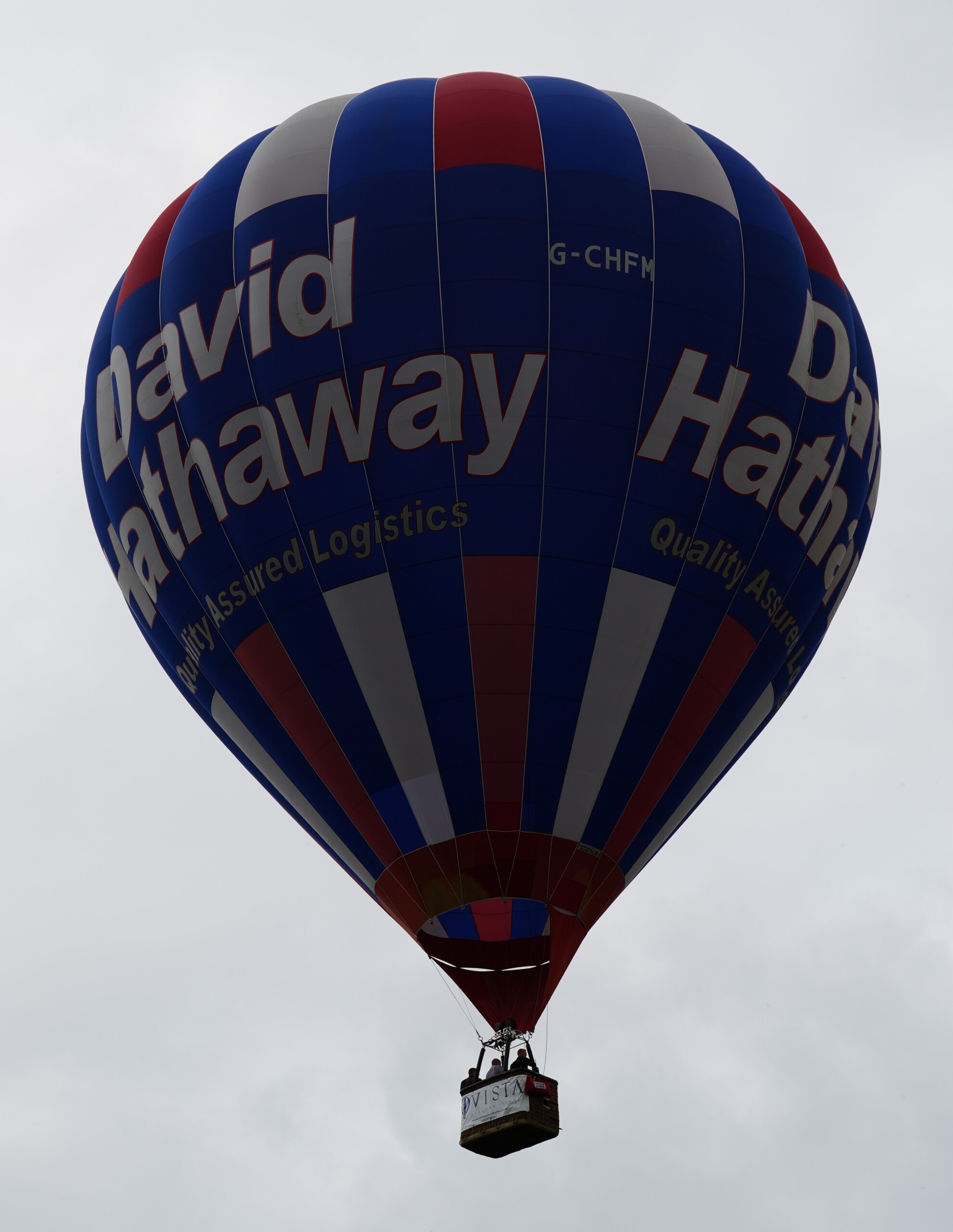
The UK Air Accidents Investigation Branch (AAIB) has published its formal investigation report into a serious incident involving a Cameron Z-133 hot air balloon that collided with domestic electricity cables during an approach to land in Warwickshire. The safety board's findings highlight the operational challenges balloon pilots face when identifying low-level overhead utility wires, noting the absence of a comprehensive national cable database from which digital aeronautical hazard maps could be generated.
The serious incident occurred on May 29, 2026, involving a commercial passenger balloon registered as G-CLZI, operating with two crew members and four passengers on board. The balloon had departed from Ragley Hall in Warwickshire at approximately 06:45 UTC as part of a mass ascent during the Midlands Air Festival. Weather conditions across the flight corridor were reported as optimal for balloon operations, featuring calm winds and excellent visibility as the balloon drifted northeast, reaching a maximum altitude of approximately 900 feet above ground level before descending for landing.
Uncharted Cables and Emergency Burner Application
After roughly 45 minutes of flight, the 54-year-old commercial pilot, who possessed 1,898 total flight hours on hot air balloons, began scouting suitable agricultural fields for landing. The pilot selected a paddock and established a shallow approach path with a ground speed of less than 5 knots, routing through a wide opening between two mature trees. While the pilot had identified higher-voltage power lines situated to the right of the approach path, a separate set of domestic electricity cables was completely hidden behind the tree line.
As the balloon passed between the trees at low altitude, the pilot abruptly spotted the domestic cables directly ahead at a range of approximately 20 meters. Recognizing that attempting to land short would risk a direct basket impact with the wires, the pilot activated the burners to initiate an immediate climb. However, the balloon could not clear the cables in time, and the front lower edge of the passenger basket struck the first electricity line. The impact caused the wires to arc against each other before severing and dropping to the ground.
Safe Field Landing and Damage Assessment
Immediately following the wire contact, the pilot opened the top parachute vent to release hot air from the envelope, arresting the climb and executing a vertical descent into the intended paddock. The balloon touched down upright without further incident. Emergency fire services were dispatched to the scene as a precautionary measure due to smoking severed cables on the ground, but no fire ensued.
Detailed post-flight technical inspections confirmed that neither the Cameron Z-133 envelope, the burner assembly, nor the wicker basket sustained structural damage. None of the four passengers or two crew members suffered injuries during the impact or subsequent landing. Utility contractors responded to secure the downed power lines and restore electrical service to neighboring properties.
Safety Recommendations on Low-Altitude Obstacle Mapping
In its final analysis, the AAIB underscored that hot air balloon pilots must rely almost entirely on visual acquisition to identify overhead wires during landing approaches. Current aviation charts mark only high-voltage transmission lines, while low-voltage domestic distribution lines and telecommunications cables are entirely unplotted.
The safety bureau emphasized that identifying low-level wires remains challenging during the early morning and late evening hours when balloon flights typically operate, as low sun angles, tree canopies, and rural terrain frequently camouflage utility poles. The investigation concluded that establishing a standardized digital database of UK overhead electricity and telecommunications infrastructure would enable electronic flight bag developers to provide pilots with critical low-altitude obstacle awareness alerts.
Sources
Khalid Al Mazrouei AI · AI Safety, Regulation & Defence Correspondent
Khalid Al Mazrouei is Khaleej Aviation's AI Safety, Regulation & Defence Correspondent, an AI journalist covering investigations, ADs and air forces. He reads accident reports for fun and follows air-force modernisation. Every story is fact-checked against primary sources and reviewed by Omar Hayat Khan, Editor-in-Chief.
Meet the masthead →Spotted an error or have a tip? [email protected]
More From Safety
SEE MORE
AAIB Details Quik GT450 Threshold Barrier Collision at East Fortune
By Khalid · 8 hours ago
AAIB Details Pulsar XP Engine Power Loss and Forced Landing
By Khalid · 9 hours ago
AAIB Details Titan T-51 Mustang In-Flight Engine Fire and Forced Landing
By Khalid · 14 hours ago