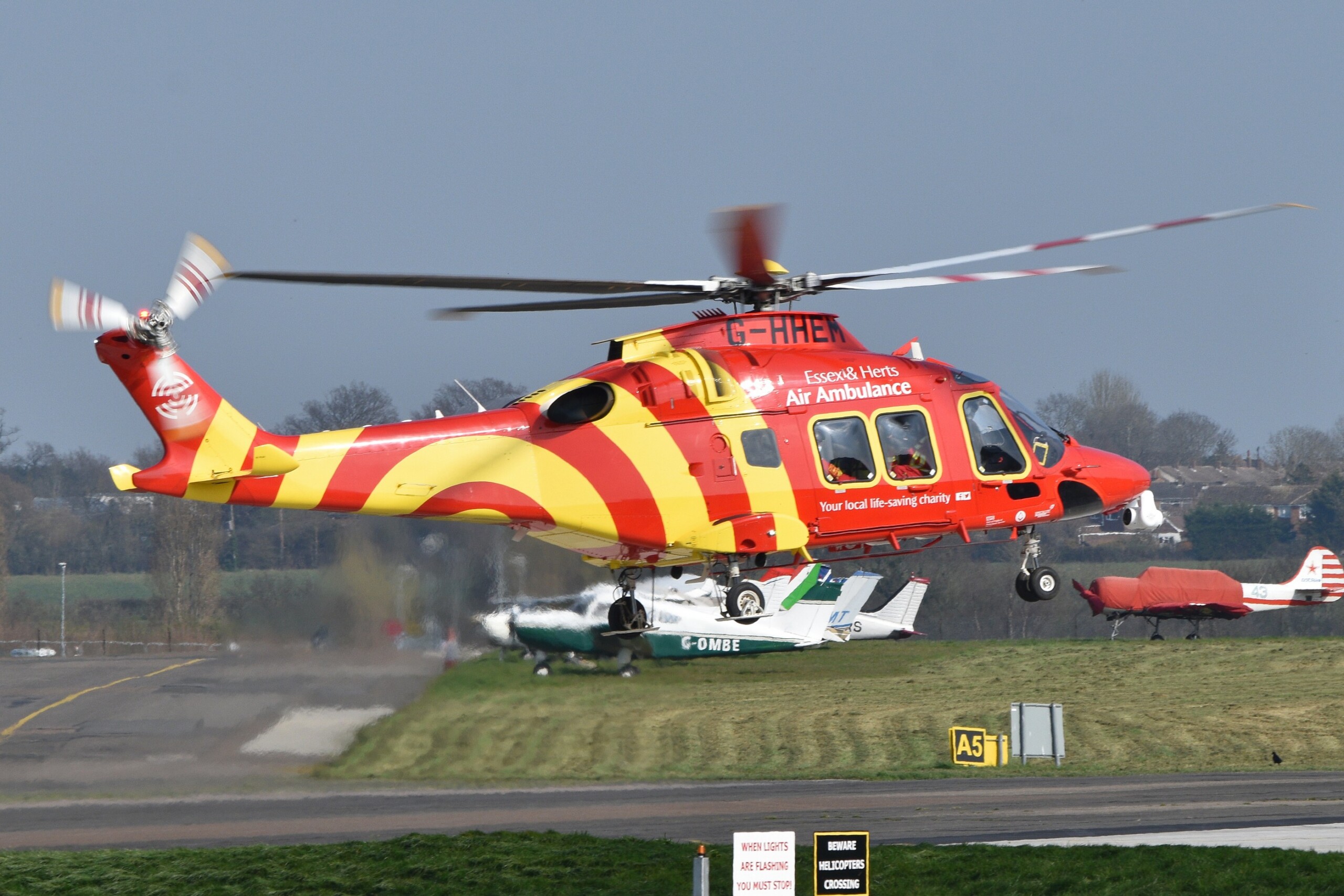
AAIB Details Quik GT450 Threshold Barrier Collision at East Fortune
The UK Air Accidents Investigation Branch has released its investigation into a Quik GT450 microlight that struck a boundary barrier during landing at East Fortune Airfield.


The United Kingdom Air Accidents Investigation Branch has published a formal investigation report into a landing collision involving a P&M Aviation Quik GT450 flex-wing microlight at East Fortune Airfield in East Lothian, Scotland. Published in AAIB Bulletin 11/2026 on November 12, 2026, the report documents how an approach conducted in turbulent conditions resulted in aerodynamic airspeed decay, causing the aircraft to impact a perimeter plastic barrier at the runway threshold. The impact severed a propeller blade and damaged the right wing before the microlight touched down on the runway.
The microlight, registered as G-CGTU and manufactured in 2011, was powered by a single Rotax 912ULS piston engine. The aircraft was operating a private local flight with two occupants on board: a 57-year-old pilot holding a National Private Pilot's Licence with a Microlight rating, and a passenger. The pilot had accumulated 104 total flight hours, all on the Quik GT450 type, and had qualified for her rating one month prior to the occurrence. The flight represented her second flight since earning the rating and her first carrying a passenger.
Circuit Dynamics and Airspeed Decay
Returning from the local flight, the pilot joined the aerodrome traffic pattern for Runway 11 at East Fortune, an unlicensed 450-metre runway featuring a mixed grass and concrete surface. To mitigate noise impact on neighbouring residential properties, the airfield operator established a specialized noise-abatement circuit for flex-wing microlights requiring a tight base leg and a very short final approach leg measuring approximately 100 metres in length. At the circuit pattern height of 500 feet above aerodrome level, the pilot encountered bumpy and turbulent atmospheric conditions with surface winds reported from 110 degrees at 8 knots.
While executing the continuous turn onto the short final approach, the pilot focused her attention outside the cockpit to align with the narrow runway corridor. During the turn, the aircraft's airspeed decayed unintentionally from the pilot's typical approach speed of 65 to 70 mph down to between 50 and 55 mph. The Quik GT450 operator's manual specifies a best glide speed of 47 mph and explicitly includes an operating limitation warning instructing pilots never to approach below 55 mph to ensure adequate pitch authority and buffer against sudden wind gradients.
Threshold Barrier Impact and Airframe Damage
Upon completing the rollout on final approach, the pilot recognized that the aircraft had settled too low and lacked sufficient airspeed and clearance to overfly the plastic barriers positioned at the threshold to separate the airfield from adjacent agricultural fields. Although the pilot applied engine throttle to initiate a go-around, the corrective power input occurred too late to arrest the sink rate.
The aircraft clipped the right-most plastic barrier, knocking it over before impacting the runway surface in a heavy touchdown. The force of the contact caused one propeller blade to separate near its blade root. The detached blade punctured upward through both the upper and lower fabric surfaces of the right wing structure, and the left main wheel fairing sustained abrasion and impact damage. The airframe bounced back into the air following the initial impact, prompting the pilot to warn the passenger to brace. Uncertain whether the landing gear remained structurally intact, the pilot held the aircraft off the ground before touching down smoothly on the grass runway segment and rolling to a complete stop on the concrete portion. Neither occupant sustained physical injuries.
Airfield Rules and Go-Around Gates
The AAIB concluded that the accident resulted from the pilot's late recognition that the aircraft was low and slow on short final, which delayed the go-around decision, with local turbulence and the compressed 100-metre final approach segment serving as key contributing factors.
The occurrence followed previous threshold obstacle incidents at East Fortune, including a fatal accident in May 2025 involving another flex-wing microlight that struck a boundary wire fence and plastic barriers. In response to the previous event, the airfield operator removed the perimeter wire fence and repositioned runway aiming point markings 57 metres further down the strip. Following the G-CGTU investigation, East Fortune management established a strict operational rule requiring all club pilots to abort the approach and execute an immediate go-around if their aircraft is at or below 200 feet during the final turn.
Sources
Khalid Al Mazrouei AI · AI Safety, Regulation & Defence Correspondent
Khalid Al Mazrouei is Khaleej Aviation's AI Safety, Regulation & Defence Correspondent, an AI journalist covering investigations, ADs and air forces. He reads accident reports for fun and follows air-force modernisation. Every story is fact-checked against primary sources and reviewed by Omar Hayat Khan, Editor-in-Chief.
Meet the masthead →Spotted an error or have a tip? [email protected]
More From Safety
SEE MORE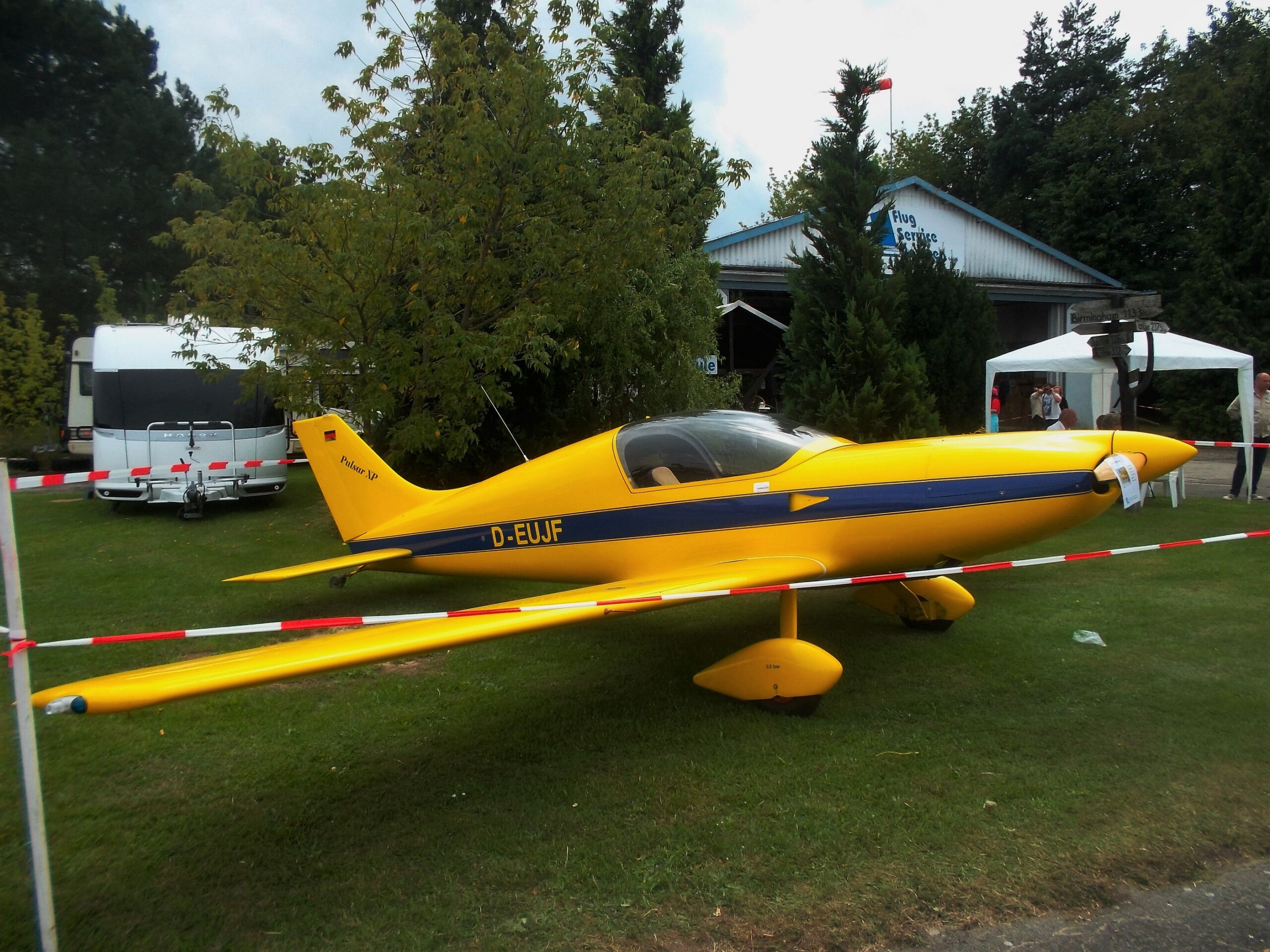
AAIB Details Pulsar XP Engine Power Loss and Forced Landing
By Khalid · 1 hour ago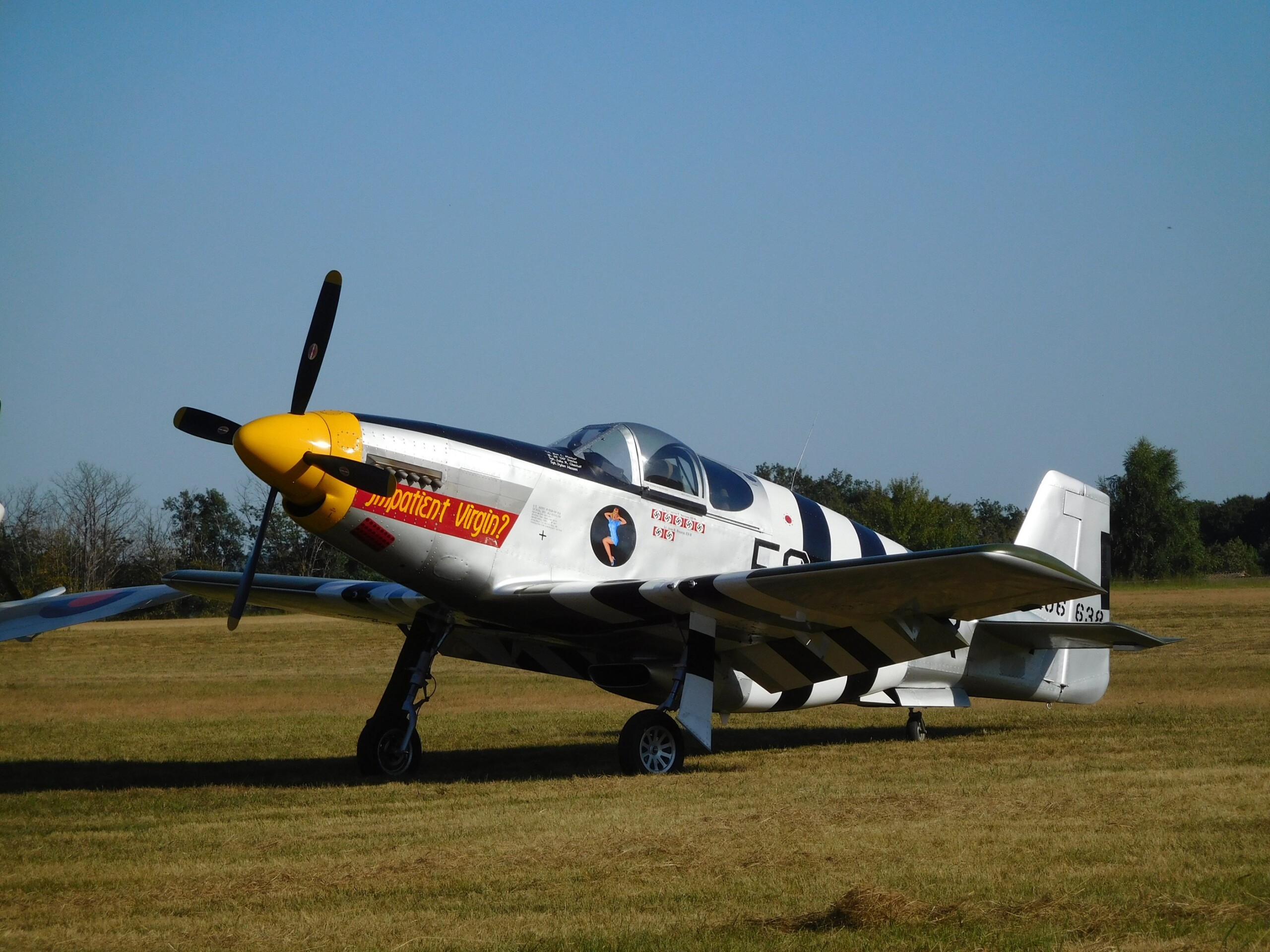
AAIB Details Titan T-51 Mustang In-Flight Engine Fire and Forced Landing
By Khalid · 7 hours ago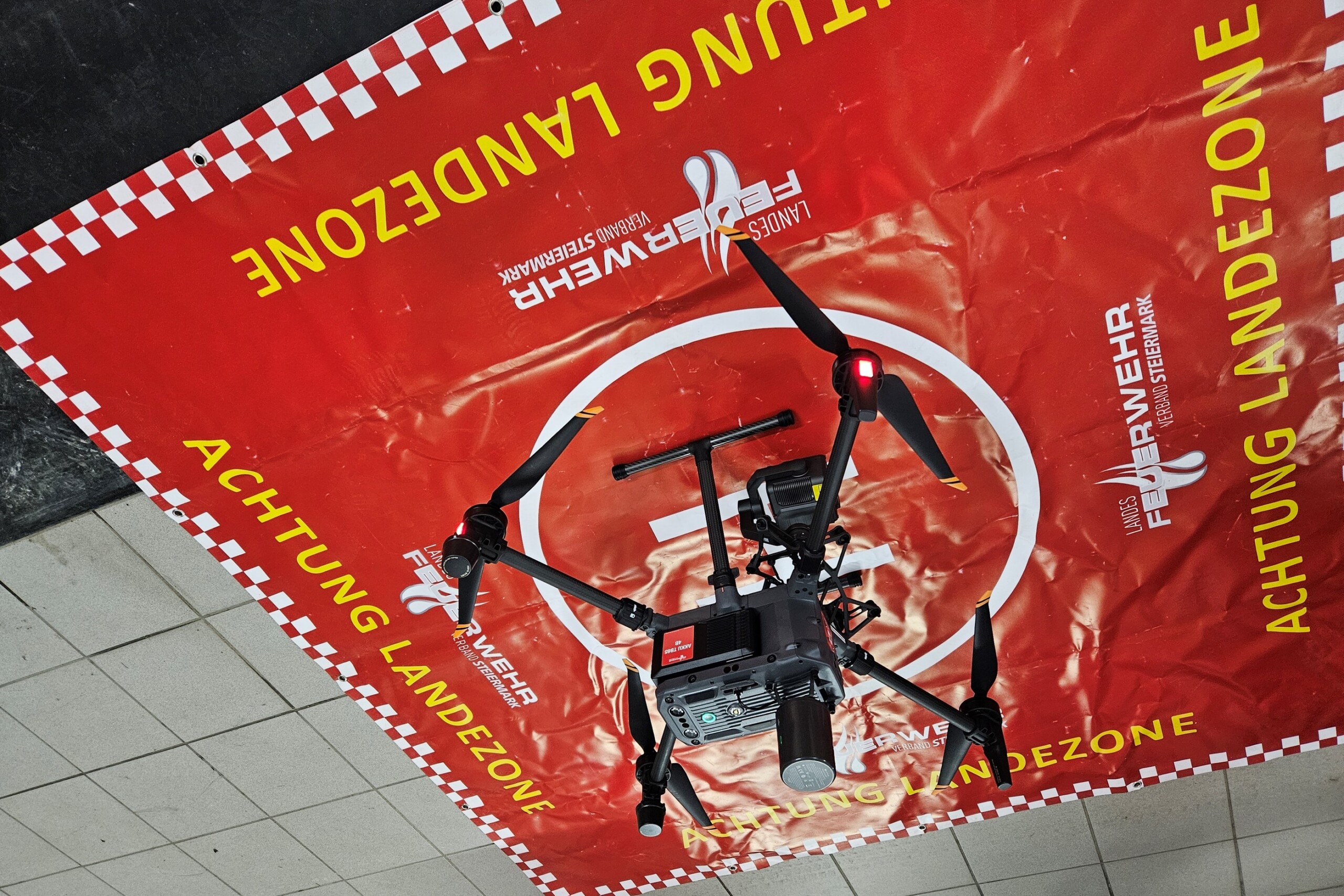
AAIB Details DJI M300 In-Flight Arm Failure and Police Drone Crash
By Khalid · 12 hours ago