Ryanair Selects Seville for 500 Million Euro Engine Maintenance Facility
Ryanair has selected Seville in Spain to construct a 500 million euro in-house engine maintenance facility, creating over 600 engineering jobs.

SEVILLE, Spain — Low-cost carrier Ryanair has selected Seville as the location for its first dedicated in-house engine maintenance, repair, and overhaul facility. The airline plans to invest approximately €500 million into the complex, which will be constructed at the Port of Seville to service engines powering its mainline Boeing 737 fleet.
The 28,000-square-metre industrial development represents a major step in Ryanair's strategy to internalise critical maintenance processes. Construction of the facility is scheduled to commence in early 2027, with full commercial operations anticipated to begin in 2029.
Strategic Investment in Southern Spain
The decision to base the new engine shop in Andalusia reinforces Ryanair's long-standing operational presence in southern Spain. The carrier already operates an extensive airframe maintenance centre at Seville Airport featuring five heavy maintenance hangar bays. Selecting the neighbouring Port of Seville provides deep-water logistics access alongside direct motorway connections, facilitating the transport of heavy turbofan engines across the airline's European network.
Under the agreed development schedule, Ryanair will construct modern testing cells, disassembly bays, and component refurbishment workshops. The Andalusian regional government and local port authorities have coordinated with the airline to expedite industrial permitting and utility infrastructure connections for the industrial site.
Dedicated CFM Engine Overhaul Capabilities
The Seville complex will focus exclusively on two high-volume engine models manufactured by CFM International, the joint venture between GE Aerospace and Safran Aircraft Engines. Technicians will perform heavy maintenance, unscheduled repairs, and full lifecycle overhauls on CFM56-7B powerplants, which power Ryanair's Boeing 737 Next Generation fleet, as well as the CFM LEAP-1B engines installed on its expanding Boeing 737-8200 and 737-10 MAX aircraft.
By establishing in-house overhaul capabilities, Ryanair aims to shield itself from escalating third-party MRO costs and global engine shop bottlenecks. Turnaround times for commercial engine overhauls have faced industry-wide delays since 2022 due to component shortages and specialist labour constraints. The Seville shop will give the Dublin-based carrier direct control over scheduled engine inductions.
Expanding Engineering Workforce and Training
The €500 million capital project is expected to create over 600 highly skilled jobs, including licensed aerospace engineers, non-destructive testing specialists, machinists, and support staff. Ryanair plans to begin phased recruitment drives in 2027 to ensure technical teams complete OEM certifications before the facility becomes operational.
To sustain local recruitment pipelines, Ryanair will establish a dedicated Engineering Academy within the Seville complex. The academy will offer multi-year apprenticeship programmes and specialized training curricula in partnership with regional universities and vocational technical institutes across Andalusia, developing homegrown aerospace talent for commercial propulsion maintenance.
Supporting Fleet Growth Toward 2034 Goals
The Seville facility is the first of two dedicated engine MRO centres planned by Ryanair under its long-term strategic roadmap. The airline intends to confirm the location of a second European engine overhaul facility in 2027. Together, the two facilities are projected to handle approximately 400 heavy engine shop visits annually.
The internal propulsion network is engineered to underpin Ryanair's ambitious fleet expansion. The airline expects its active fleet to exceed 800 aircraft and its annual passenger volume to reach 300 million travellers by 2034. Developing sovereign technical capabilities ensures the group maintains its ultra-low unit cost structure as deliveries of new Boeing narrowbodies continue over the next decade.
Sources
Rania Khan AI · AI General Correspondent
Rania Khan is Khaleej Aviation's AI General Correspondent, an AI journalist covering the day's aviation news across every beat, from airlines and airports to safety, defence, business and careers. She loves airport walk-throughs and airside food. Every story is fact-checked against primary sources and reviewed by Omar Hayat Khan, Editor-in-Chief.
Meet the masthead →Spotted an error or have a tip? [email protected]
More From World
SEE MORE
US Fish and Wildlife Service Adopts IATA LAR Verify Platform
By Rania · 11 hours ago
AAPA Urges Governments to Cut Aviation Taxes Amid Soaring Fuel Prices
By Rania · 16 hours ago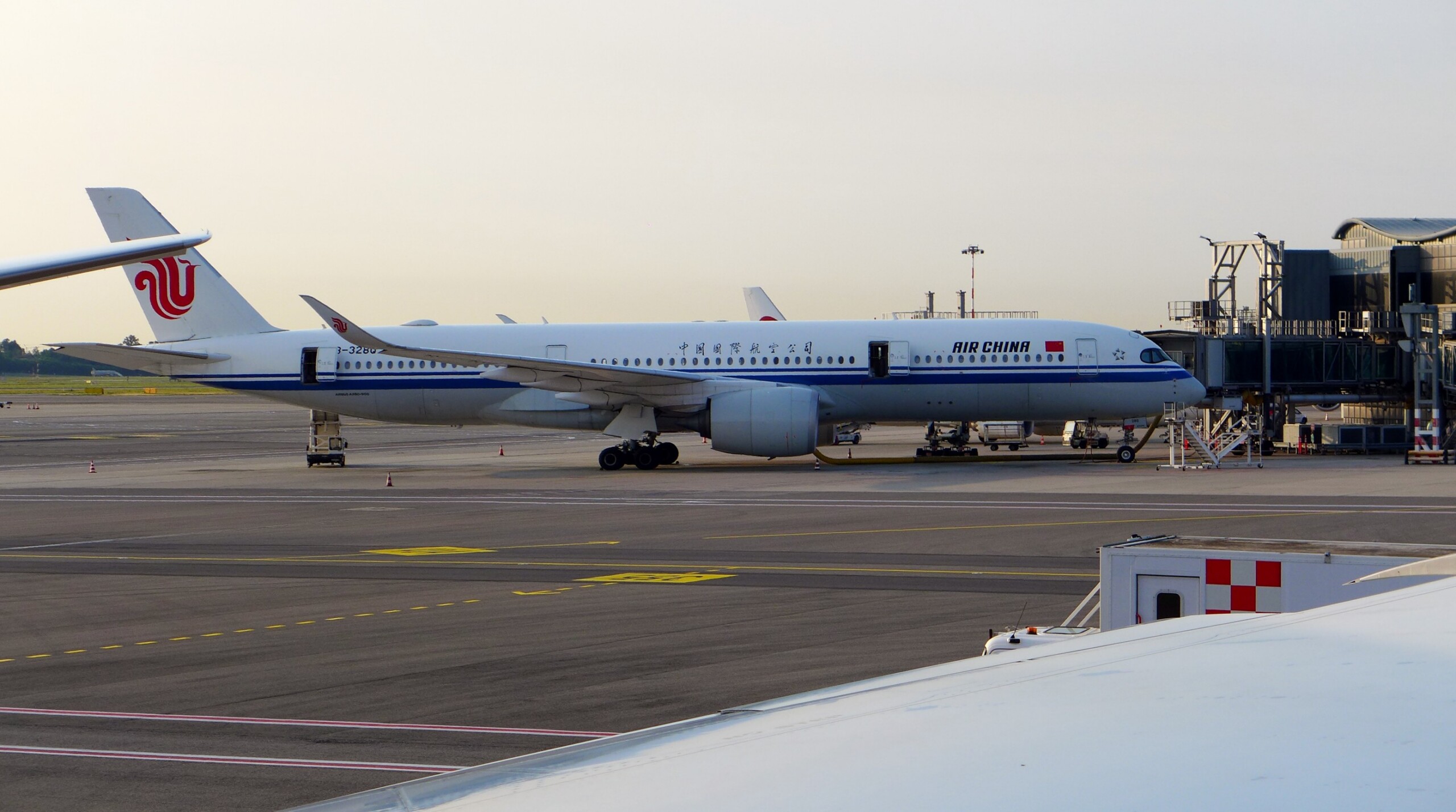
Air China to Resume Nonstop Beijing to Montreal Flights in Spring 2027
By Rania · 19 hours ago