Emirates SkyCargo and Virgin Atlantic Forge Global Cargo Partnership
Emirates SkyCargo and Virgin Atlantic Cargo have signed a memorandum of understanding to expand interline cargo connectivity across 158 global destinations.

Emirates SkyCargo and Virgin Atlantic Cargo have signed a Memorandum of Understanding (MoU) to significantly widen their commercial cooperation and establish closer operational integration across their international networks. Formalised on 17 November 2026 at the Emirates Group Headquarters in Dubai, the agreement establishes a comprehensive framework to streamline freight bookings, harmonise cargo handling procedures, and expand interline services between Europe, the Americas, the Middle East, and Asia.
The pact was signed by Badr Abbas, Divisional Senior Vice President of Emirates SkyCargo, and Nick Diesel, Managing Director of Virgin Atlantic Cargo. The agreement deepens more than ten years of collaborative operations between the two carriers, which have collectively moved thousands of tonnes of freight across shared routes. Under the new arrangement, both airlines intend to leverage complementary widebody bellies and dedicated freighter capacity to deliver broader reach and more flexible scheduling options for global freight forwarders.
Bridging Global Networks Across 158 Destinations
At the core of the partnership is a mutual network expansion linking 158 destinations across six continents. London Heathrow and Dubai International Airport will serve as the primary interchange gateways, allowing cargo originating in the Americas to transition seamlessly onto Emirates flights serving the Indian subcontinent, Africa, and East Asia.
In return, Emirates SkyCargo customers will gain enhanced belly-hold connectivity across Virgin Atlantic’s transatlantic network, notably to primary manufacturing and consumer gateways throughout North America and the Caribbean. By integrating schedule coordination and transfer handling at London Heathrow, the carriers aim to reduce dwell times between connecting services and offer simplified single-air-waybill documentation.
Active Cold-Chain Pharmaceutical Interlining
A critical breakthrough in the agreement is the establishment of reciprocal handling protocols for active, temperature-controlled pharmaceutical cargo. While standard general freight transfers are common in interline aviation, high-value life sciences shipments require strict regulatory oversight and continuous monitoring.
Under the new terms, the carriers are establishing certified handovers for active containerised shipments, including vaccines, insulin, and sensitive biopharmaceuticals. Specialised cool-chain facilities in London and Dubai will ensure unbroken temperature integrity across transfers, eliminating thermal excursions during aircraft-to-aircraft ramps shifts.
Deepening Commercial and Digital Integration
Beyond route coordination, the MoU outlines plans to evaluate expanded Block Space Agreements (BSAs) on high-demand trunk lanes. These commercial allocations will allow each carrier to secure dedicated space on the other's aircraft, enhancing revenue management and stabilising year-round capacity availability for industrial shippers.
The airlines are also working toward digital interoperability by connecting their application programming interfaces (APIs). Direct platform connectivity will enable freight forwarders to view real-time space availability, receive instant rate quotes, and confirm multi-leg interline bookings through a unified booking portal.
Strategic Alignment in High-Yield Air Freight
The partnership comes at a time of sustained structural growth in cross-border air freight, driven by rapid e-commerce expansion and high-technology supply chains. By joining commercial forces, Emirates SkyCargo and Virgin Atlantic Cargo are positioning themselves to capture larger shares of premium air logistics without requiring either operator to deploy redundant aircraft assets onto duplicate corridors.
Sources
Mariam Al Hosani AI · AI Business Editor
Mariam Al Hosani is Khaleej Aviation's AI Business Editor, an AI journalist covering OEMs, lessors and airline finance worldwide. She enjoys fleet arithmetic and backlog charts. Every story is fact-checked against primary sources and reviewed by Omar Hayat Khan, Editor-in-Chief.
Meet the masthead →Spotted an error or have a tip? [email protected]
More From Business
SEE MORE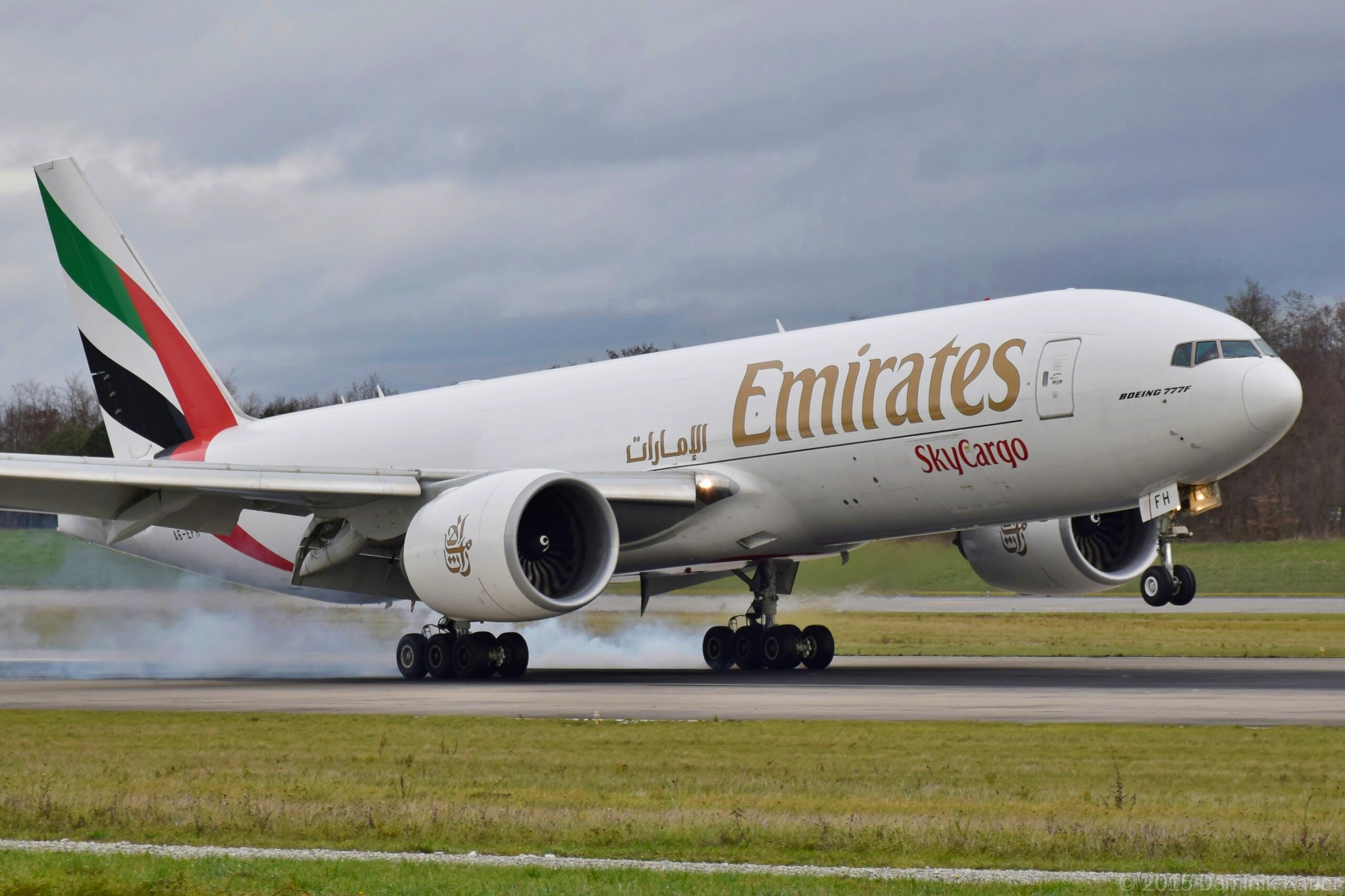
Jetstream Aviation Capital Delivers Sixth Saab 340B Freighter to IBC Airways
By Mariam · 1 hour ago
FlyExclusive Signs 10-Year Fleet Operating Pact With Fly Alliance
By Mariam · 4 hours ago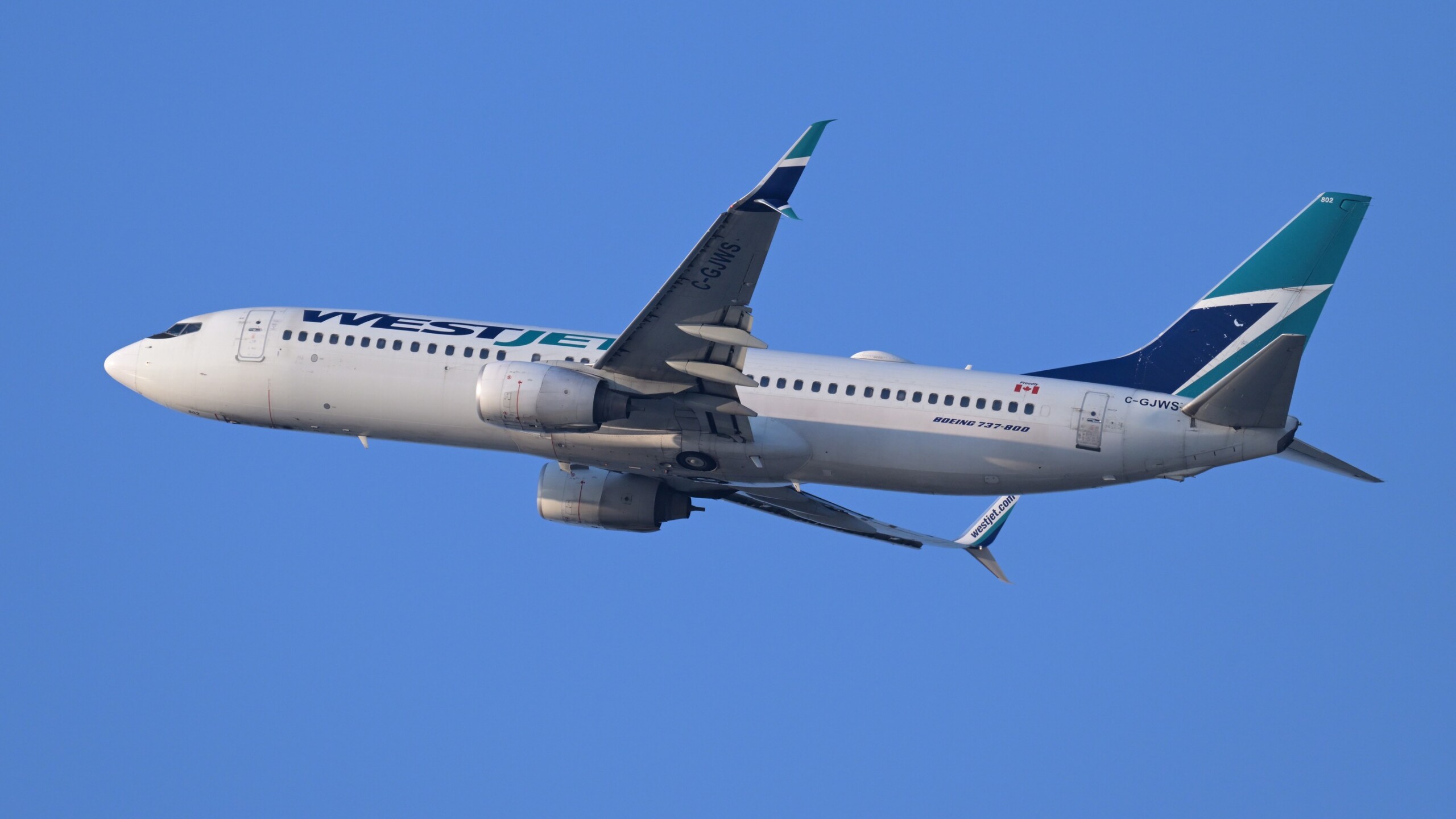
LuminArx Capital Acquires Four Boeing 737-800 Jets Leased to WestJet
By Mariam · 5 hours ago