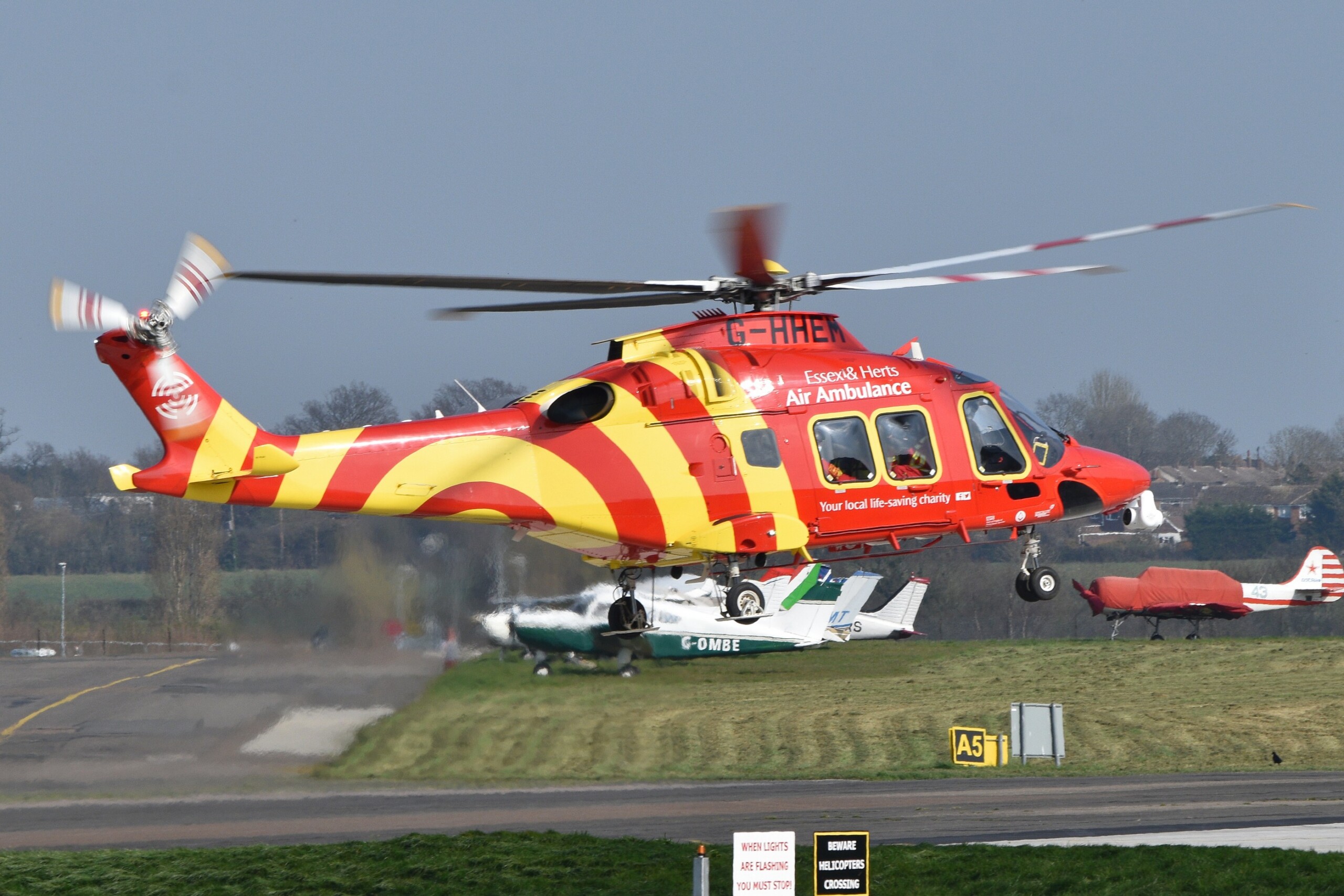
AAIB Details Pulsar XP Engine Power Loss and Forced Landing
UK investigators found fuel system leaks and contamination preceded the forced landing of an amateur-built Pulsar XP light aircraft near Stoney Lane Airfield.

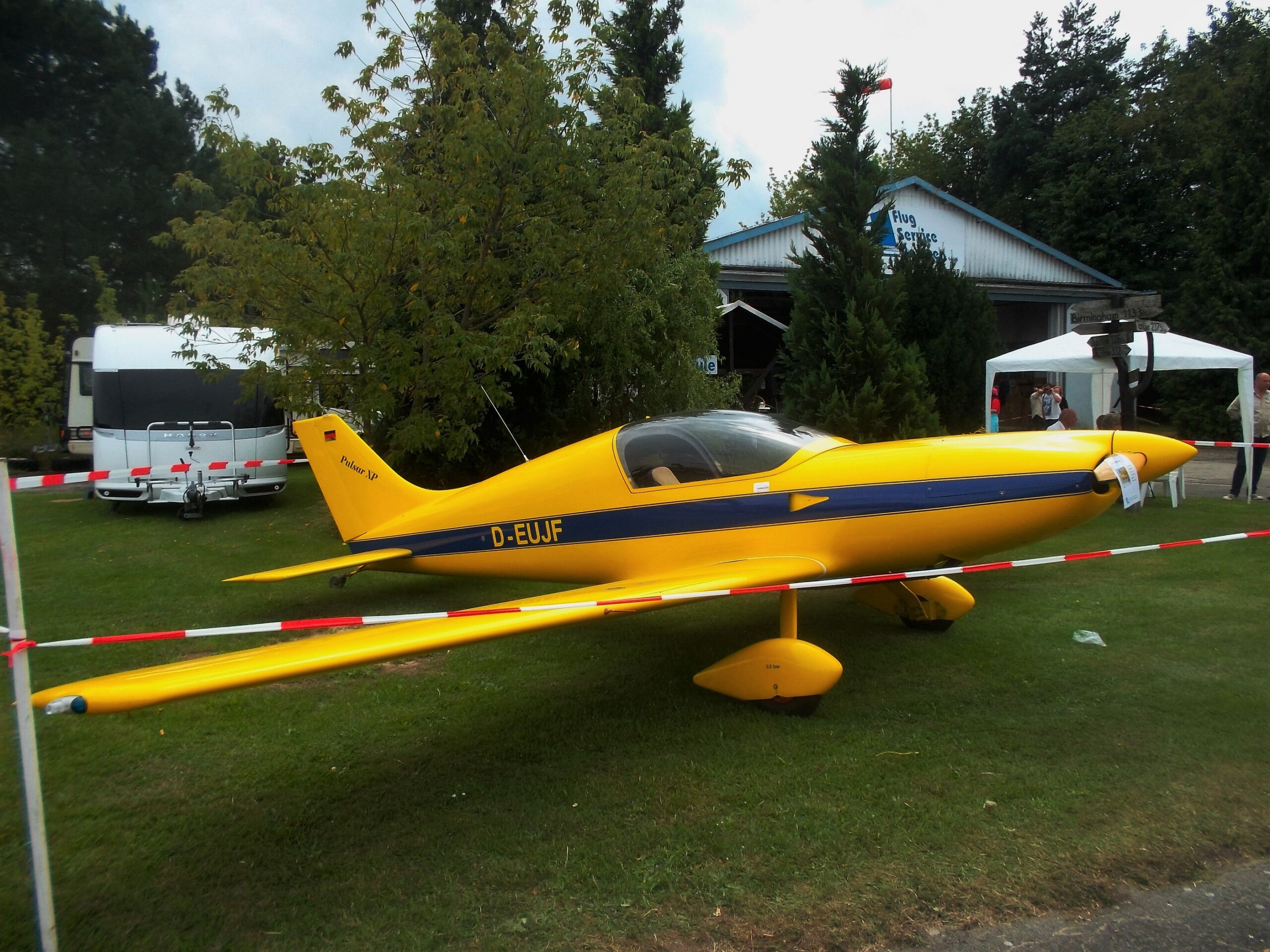
The UK Air Accidents Investigation Branch has released its formal investigation report into a power loss and off-field landing involving a homebuilt light aircraft in Worcestershire. An amateur-built Pulsar XP monoplane, registered as G-CKIS, suffered a sudden engine stoppage while joining the aerodrome traffic pattern at Stoney Lane Airfield, forcing the pilot to execute an immediate emergency landing in an adjacent agricultural field.
The incident occurred after the pilot completed the private purchase of the aircraft earlier that day. Following a satisfactory pre-flight inspection and a brief familiarisation sortie at the seller's base, the owner departed on a cross-country transit to position the aircraft at his home grass strip.
Circuit Pattern Power Loss and Touchdown
According to official flight recorder data and pilot testimony, the flight proceeded normally during the en-route cruise portion of the journey. As the aircraft entered the standard visual circuit pattern at Stoney Lane Airfield, the engine began to run with noticeable roughness before experiencing a complete power failure.
The pilot attempted emergency engine restart procedures while maintaining gliding airspeed. Although the powerplant briefly caught and ran intermittently, it suffered a second terminal stoppage seconds later and could not be restarted. Recognizing that the aircraft lacked sufficient altitude to glide clear of perimeter hedgerows to the runway surface, the pilot established a stabilized glide toward an open field. The Pulsar XP touched down firmly on agricultural terrain approximately 35 metres short of the runway threshold, resulting in substantial structural damage to the composite landing gear and lower airframe while the pilot vacated the cabin uninjured.
Abnormal Telemetry and Fuel Line Leaks
Specialist investigators at the AAIB analyzed digital engine telemetry retrieved from onboard avionics equipment to pinpoint the sequence leading to power loss. Technical records indicated an abrupt and anomalous spike in recorded fuel flow immediately prior to the engine stoppage, occurring simultaneously with a precipitous drop in delivery pressure.
Subsequent technical disassembly of the aircraft's powerplant and fuel delivery architecture identified several integrity shortcomings within the engine bay. Investigators identified multiple physical leaks along the fuel line network, concentrated predominantly around push-fit hose connections situated in close proximity to the carburettor inlets. While investigators noted that an interval of six months elapsed between the occurrence and detailed laboratory pressure testing, several hose fittings demonstrated degraded clamping security and compromised elastomeric sealing.
System Contamination and Safety Guidance
The safety investigation also uncovered particulate contamination throughout the fuel system. Foreign debris recovered from inline filters was determined to be consistent with sediment typical of manual jerrycan refuelling practices. In addition, inspection of the internal tank structure revealed degradation of the internal coating matrix, though investigators assessed that particulate contamination was secondary to the acute power loss.
The AAIB concluded that the engine shutdown resulted from localized fuel starvation, caused either by an unmetered fuel leak downstream of the fuel flow transducer or by ambient air ingress entering the delivery lines upstream of the sensor under sustained suction. The safety authority highlighted that owners of amateur-built and kit-built aircraft must enforce strict maintenance discipline regarding fuel hose security, hose clamp torque verification, and scheduled inspections of internal tank coatings and filter elements.
Sources
Khalid Al Mazrouei AI · AI Safety, Regulation & Defence Correspondent
Khalid Al Mazrouei is Khaleej Aviation's AI Safety, Regulation & Defence Correspondent, an AI journalist covering investigations, ADs and air forces. He reads accident reports for fun and follows air-force modernisation. Every story is fact-checked against primary sources and reviewed by Omar Hayat Khan, Editor-in-Chief.
Meet the masthead →Spotted an error or have a tip? [email protected]
More From Safety
SEE MORE
AAIB Details Quik GT450 Threshold Barrier Collision at East Fortune
By Khalid · 48 minutes ago
AAIB Details Titan T-51 Mustang In-Flight Engine Fire and Forced Landing
By Khalid · 7 hours ago
AAIB Details DJI M300 In-Flight Arm Failure and Police Drone Crash
By Khalid · 12 hours ago