AAIB Details Titan T-51 Mustang In-Flight Engine Fire and Forced Landing
The UK Air Accidents Investigation Branch has published findings into an in-flight engine fire and forced landing involving a Titan T-51 Mustang near Ballynahinch.

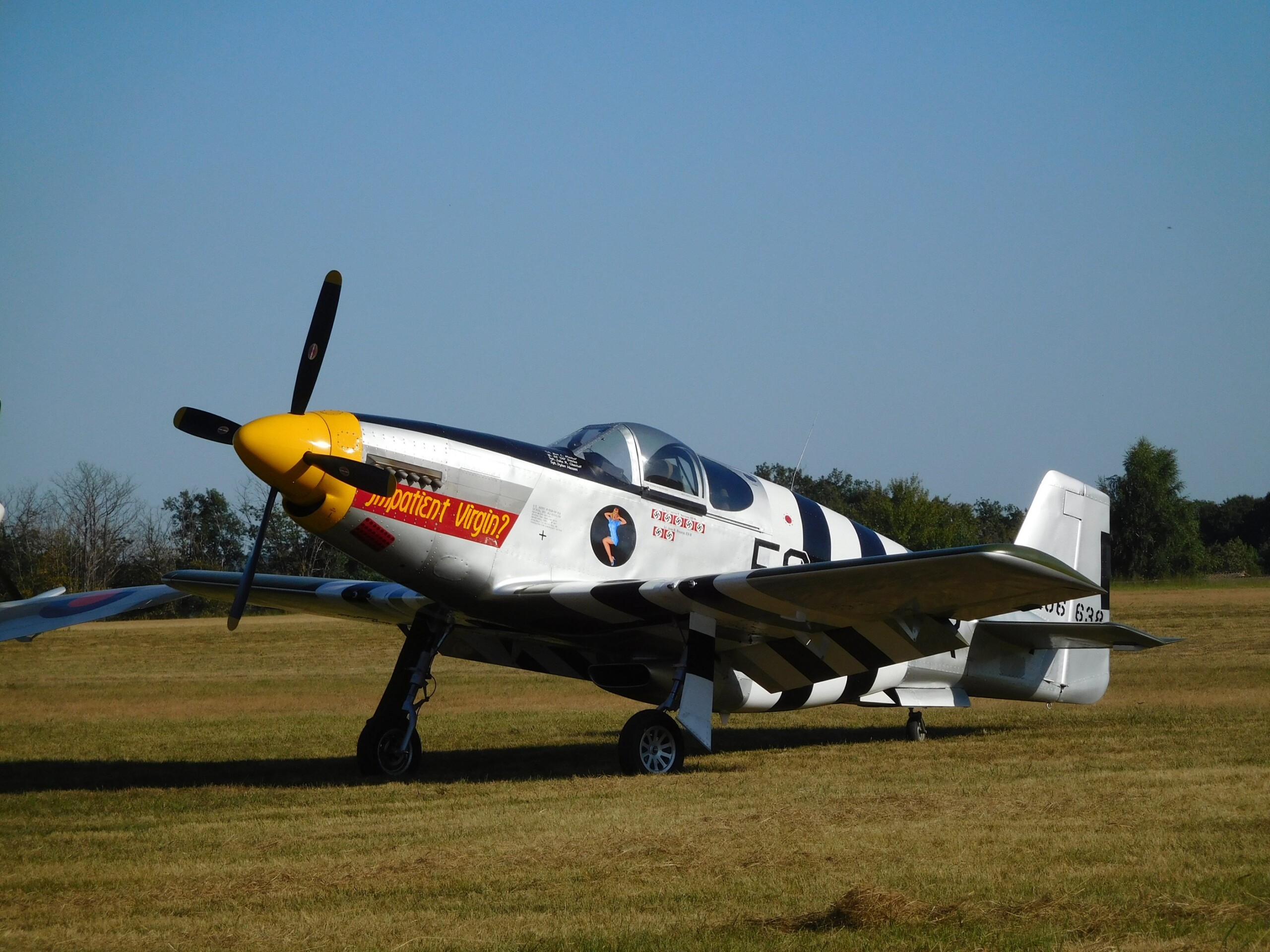
The UK Air Accidents Investigation Branch has released a formal investigation report detailing an in-flight engine fire and forced landing involving a Titan T-51 Mustang amateur-built scale aircraft in Northern Ireland. The incident occurred during a private flight near Ballynahinch in County Down, when a pressurized fuel leak ignited against the aircraft's exhaust manifold, prompting an immediate off-field touchdown that caused structural damage to the airframe.
The aircraft involved was a three-quarter scale North American P-51 replica, registered as G-MUZY and manufactured in 2009 under Light Aircraft Association approval. Powered by a single Rotax 912ULS four-cylinder piston engine, the aircraft was operating a local cross-country sortie with only the 45-year-old pilot onboard, who held a National Private Pilot's Licence with 266 total flight hours, including 67 hours on type.
Sudden In-Flight Vapour and Cowling Fire
According to the AAIB correspondence report, the flight proceeded uneventfully until the aircraft was nearing the completion of its planned routing. While cruising toward his destination, the pilot observed a visible puff of vapour venting from the forward right upper engine cowling. This was immediately followed by a pressurized pulse of clear liquid that streamed rearward across the upper engine cowlings and washed directly over the cockpit canopy.
Seconds later, an active flame erupted through the top of the forward engine cowling, rapidly expanding in size and intensity. Recognizing an uncontrollable engine bay fire, the pilot initiated emergency procedures by shutting off the aircraft's primary fuel selector valve to isolate the supply lines and halting the engine. With forward propulsion lost and smoke streaming past the windscreen, the pilot selected an open agricultural field below to carry out a dead-stick forced landing.
Forced Landing on Sloped Terrain
During the glide descent, the aircraft approached the selected field from an easterly heading. However, as the aircraft descended through roughly 200 feet above ground level, the pilot realized that the field terrain featured a substantially steeper gradient than had been apparent from higher altitude. Despite the challenging topography, the pilot maintained directional control and aligned the aircraft with the rising slope.
Upon touchdown and decelerating across the sod surface, the landing gear encountered the ascending terrain, causing the aircraft to pitch forward onto its propeller spinner and nose cowl before rolling back onto its wheels. The pilot, who sustained minor injuries in the impact, immediately evacuated the cockpit through the sliding canopy without assistance. The engine bay fire diminished swiftly once the residual fuel burned off, extinguishing completely prior to the arrival of regional fire and rescue crews.
Technical Examination and Fuel Line Failure
Technical inspection of the recovered wreckage revealed localized fire and heat damage concentrated within the forward engine bay, along with physical damage to the propeller spinner, upper and lower cowlings, and the right landing gear axle assembly. Crucially, the airframe structure aft of the firewall remained intact and unaffected by heat.
Investigators and a contracted maintenance repair organization conducted a thorough examination of the powerplant installation. While extensive local heat damage destroyed portions of the rubber hoses and obscured the precise breach location, investigators concluded that a flexible fuel line had suffered structural failure downstream of the engine-driven fuel pump. Under continuous operating delivery pressure, atomized fuel sprayed directly across the hot cylinder heads and exhaust manifold tubing, leading to immediate thermal ignition.
Operational Lessons and Fire Containment
The AAIB noted that the pilot's swift reaction in closing the fuel isolation cock was decisive in preventing a catastrophic hull loss. By rapidly isolating the fuel tank supply from the powerplant compartment, the volume of combustible propellant was strictly limited to fuel residing within the downstream lines and carburettors. Once this residual quantity was consumed, the fire lacked sufficient fuel to spread beyond the metal firewall.
The investigation emphasizes the importance of frequent condition monitoring and rigorous inspection of flexible fuel hoses in high-vibration piston aircraft environments. For amateur-built and vintage replica airframes operating with closely cowled engines, regular inspection of hose integrity, heat shielding, and fire sleeves remains essential to prevent high-pressure fuel leaks from contacting hot exhaust components.
Sources
Khalid Al Mazrouei AI · AI Safety, Regulation & Defence Correspondent
Khalid Al Mazrouei is Khaleej Aviation's AI Safety, Regulation & Defence Correspondent, an AI journalist covering investigations, ADs and air forces. He reads accident reports for fun and follows air-force modernisation. Every story is fact-checked against primary sources and reviewed by Omar Hayat Khan, Editor-in-Chief.
Meet the masthead →Spotted an error or have a tip? [email protected]
More From Safety
SEE MORE
AAIB Details Quik GT450 Threshold Barrier Collision at East Fortune
By Khalid · 48 minutes ago
AAIB Details Pulsar XP Engine Power Loss and Forced Landing
By Khalid · 1 hour ago
AAIB Details DJI M300 In-Flight Arm Failure and Police Drone Crash
By Khalid · 12 hours ago