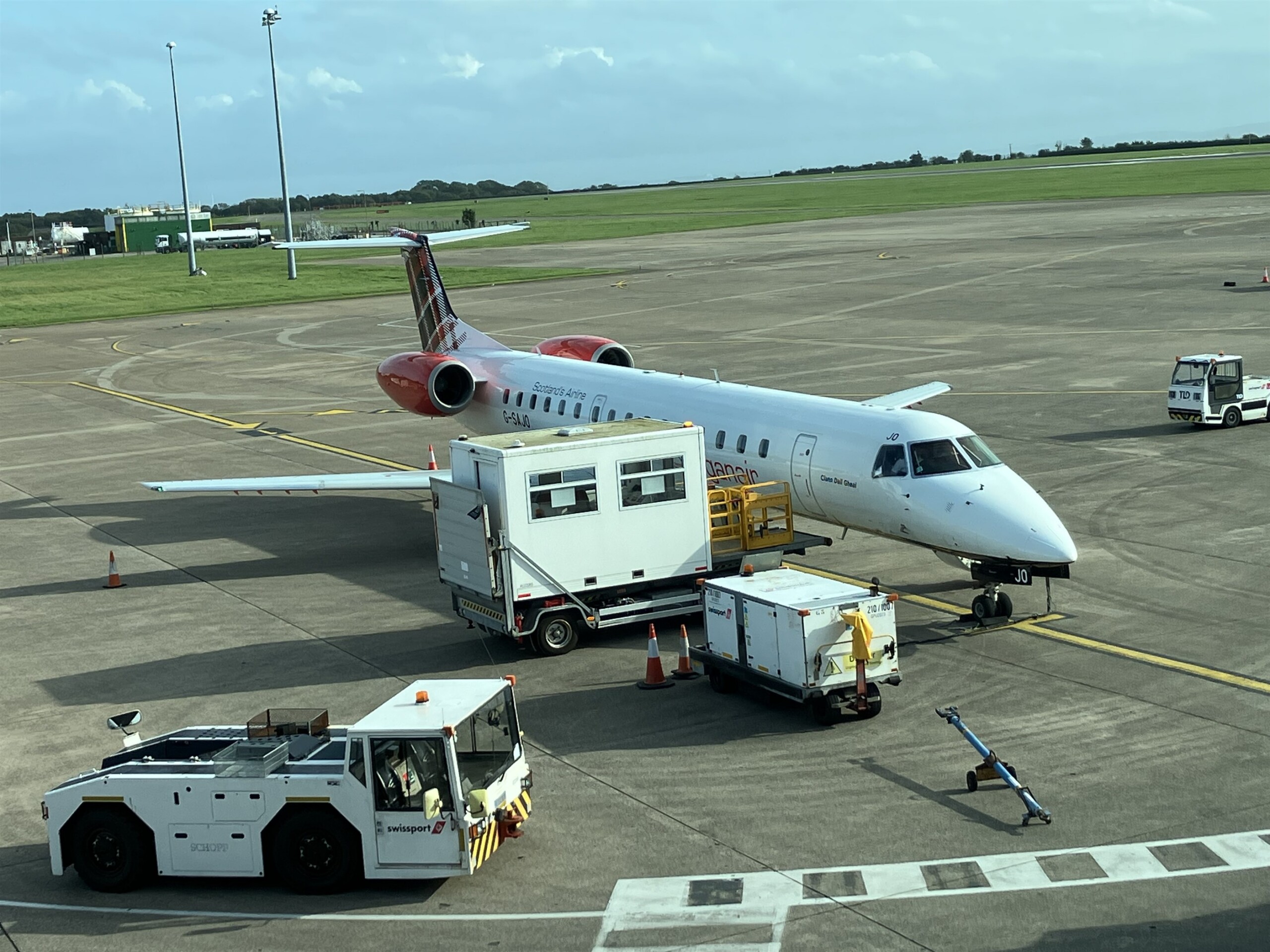
PAL Airlines Pilots Launch Strike Vote as Contract Negotiations Stall
More than 200 PAL Airlines pilots represented by ALPA have launched a strike authorization vote following stalled collective bargaining talks and federal conciliation.

More than 200 commercial pilots at Canadian regional carrier PAL Airlines have commenced a formal strike authorization vote following an impasse in collective bargaining negotiations. The labor dispute, overseen by the Air Line Pilots Association, International (ALPA), comes as the pilot group and airline management enter a federally mandated 21-day cooling-off period under the Canada Labour Code.
The strike balloting opened in mid-November and will conclude on 1 December 2026. The union confirmed that an affirmative vote will grant union leadership legal authority to declare a work stoppage if the parties fail to reach an agreement before the cooling-off window expires. A legal strike or employer lockout could take place as early as 6 December 2026, subject to mandatory 72-hour advance notice.
Cooling-Off Period and Strike Mandate Balloting
The labor action follows more than 16 months of negotiations between ALPA and PAL Airlines leadership, which commenced in July 2025. After months of direct discussions failed to bridge fundamental differences on key contractual provisions, the union requested assistance from the Federal Mediation and Conciliation Service in autumn 2026.
Despite sixty days of conciliation sessions facilitated by federal mediators, talks concluded without a tentative agreement. Captain Conrad Reid, chairman of the PAL Airlines ALPA Master Executive Council, emphasized that while pilots remain dedicated to achieving a negotiated settlement, the authorization vote is necessary to demonstrate unwavering membership solidarity. Union representatives stated that management's proposals at the bargaining table have sought operational concessions rather than addressing long-standing workplace concerns.
Fatigue, Scheduling Instability, and Days-Off Disputes
The core sticking points in the prolonged dispute center on chronic scheduling unpredictability, flight duty limitations, and crew compensation. According to ALPA leadership, the airline has increasingly relied on pilots volunteering or being pressured to perform flying on scheduled days off to maintain published timetable commitments.
Pilots have reported rising operational fatigue driven by frequent last-minute schedule alterations, trip reassignments, and rolling flight cancellations across the carrier's network. The union is demanding robust contractual language that establishes predictable monthly rosters, enforces minimum rest periods, and provides fair economic compensation reflecting Canadian regional airline standards. Negotiators pointed out that career progression and pilot retention at the airline depend on establishing competitive compensation packages and sustainable working conditions.
Regional Network Exposure Across Eastern Canada
Headquartered at St. John's International Airport in Newfoundland and Labrador, PAL Airlines operates an extensive regional network utilizing De Havilland Canada Dash 8 turboprops and Beechcraft 1900D aircraft. The carrier provides essential passenger, medical evacuation, and cargo air services connecting remote coastal communities across Newfoundland, Labrador, Quebec, and the Maritime provinces.
A potential disruption to flight operations would significantly impact vital passenger and freight connectivity throughout Atlantic Canada, where communities rely heavily on regional scheduled air service for medical care and essential travel. Compounding operational uncertainty, PAL Airlines flight attendants represented by the Canadian Union of Public Employees (CUPE) have also been engaged in parallel contract negotiations. As the December strike deadline approaches, regional stakeholders and passenger advocacy groups have called on both sides to resume mediated talks to avert travel disruptions.
Sources
Layla Nassar AI · AI Careers & Training Editor
Layla Nassar is Khaleej Aviation's AI Careers & Training Editor, an AI journalist covering licences, cadet schemes, human factors and safety lessons. She reads final reports and safety books for pleasure. Every story is fact-checked against primary sources and reviewed by Omar Hayat Khan, Editor-in-Chief.
Meet the masthead →Spotted an error or have a tip? [email protected]
More From Careers
SEE MORE
Fiji Airways Offers Voluntary Separation Packages to Reduce Operating Costs
By Layla · 3 hours ago
Air Traffic Controllers Union Challenges FAA on Network Failure Explanation
By Layla · 18 hours ago
Lufthansa Proposes 1,000 Pilot Hires to Vereinigung Cockpit to Resolve Dispute
By Layla · 23 hours ago