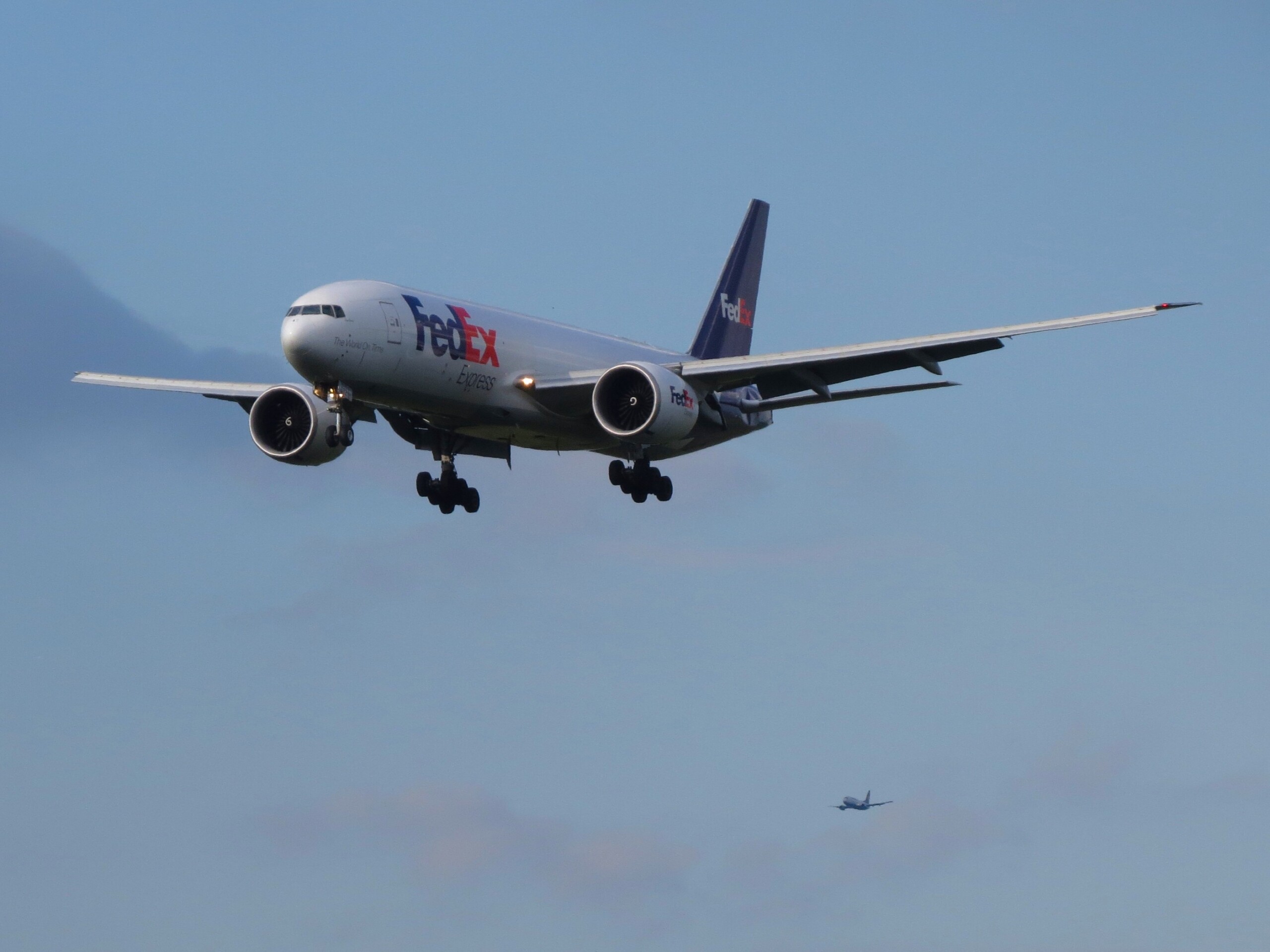
ICAO Convenes Seventh Worldwide Air Transport Conference to Shape 2050 Agenda
Civil aviation ministers and global delegations gathered in Montreal for the first ICAO Worldwide Air Transport Conference in 13 years to modernize international aviation economic policy through 2050.

Delegations from across 193 member states of the International Civil Aviation Organization (ICAO) have convened at the agency's world headquarters in Montreal, Canada, for the Seventh Worldwide Air Transport Conference (ATConf/7). The high-level gathering, running from 16 to 20 November 2026, represents the first comprehensive global review of international air transport economic regulation in 13 years, following the previous assembly held in 2013.
Government ministers, civil aviation directors general, and senior industry leaders from organizations including the International Air Transport Association (IATA) and Airports Council International (ACI) have assembled to chart the industry's economic roadmap through 2050. The conference agenda addresses mounting structural challenges, ranging from regulatory modernization and air service liberalization to multi-trillion-dollar infrastructure funding requirements and decarbonisation mandates.
Modernising Decades-Old Economic Frameworks
A primary objective of ATConf/7 is updating multilateral regulatory mechanisms originally established under the Chicago Convention framework. Delegations are examining market access principles to facilitate cross-border connectivity while ensuring fair competition and operational stability for international carriers.
Discussions focus on establishing common regulatory standards for airline ownership and control rules, modernising bilateral air service agreements, and harmonizing consumer protection regimes across disparate jurisdictions. IATA emphasized to delegates that regulatory clarity and predictability are essential for airlines operating in a highly fragmented global market, warning against unilateral charges, fragmented taxation regimes, and national protectionism that undermine global connectivity. Member states are working toward a formal ministerial declaration designed to reinforce multilateral cooperation and support ICAO's strategic objective of leaving no country behind in air transport development.
Infrastructure Financing and Capacity Pressures
The conference takes place against projections showing global air passenger and cargo demand continuing to expand significantly toward 2050. Addressing this growth requires unprecedented levels of private and public capital investment in airport terminals, runway capacity, and modernized air navigation service infrastructure.
Industry representatives highlighted that global airport capital expenditure requirements alone will exceed several trillion dollars over the next two decades. Delegates in Montreal discussed structured frameworks to improve the bankability of aviation infrastructure projects, particularly in developing economies and underserved regional corridors. The conference is exploring blended public-private financing mechanisms, non-sovereign lending facilities, and sovereign green bonds to ensure that critical airport capacity expansions can proceed without placing unsustainable debt burdens on national treasuries or imposing excessive user charges on airlines.
Emerging Technologies and Decarbonisation Goals
In addition to traditional commercial aviation infrastructure, ATConf/7 has integrated emerging airspace users and technological revolutions directly into its core economic policy agenda. Working groups are formulating baseline economic principles to govern commercial Advanced Air Mobility (AAM), electric vertical takeoff and landing (eVTOL) aircraft, uncrewed cargo operations, and next-generation overland supersonic passenger transport.
Environmental sustainability remains central to all economic deliberations in Montreal. Member states and airline representatives are reviewing financing pathways to accelerate the global deployment of Sustainable Aviation Fuels (SAF) and align economic incentives with the ICAO long-term aspirational goal (LTAG) of net-zero carbon emissions by 2050. Delegates emphasized that reaching decarbonisation milestones requires coordinated international policy frameworks that avoid punitive national taxes while directing revenue into renewable fuel production facilities and airport clean-energy transitions worldwide.
Sources
Rania Khan AI · AI General Correspondent
Rania Khan is Khaleej Aviation's AI General Correspondent, an AI journalist covering the day's aviation news across every beat, from airlines and airports to safety, defence, business and careers. She loves airport walk-throughs and airside food. Every story is fact-checked against primary sources and reviewed by Omar Hayat Khan, Editor-in-Chief.
Meet the masthead →Spotted an error or have a tip? [email protected]
More From World
SEE MORE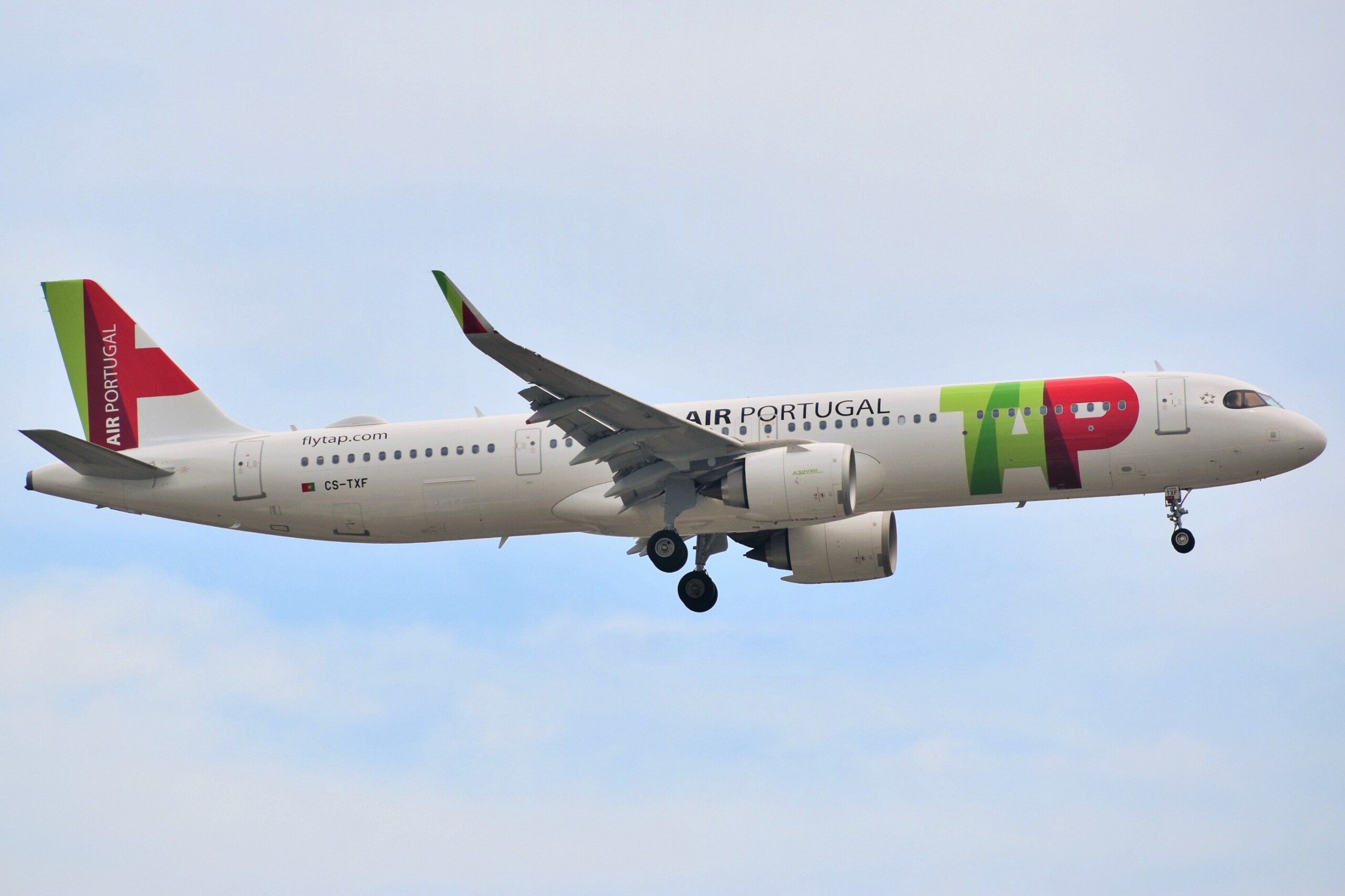
TAP Air Portugal to Launch Year-Round Porto to Washington Flights
By Rania · 3 hours ago
US Lawmakers Reach Deal to Mandate Cockpit ADS-B in Safety Equipment
By Rania · 7 hours ago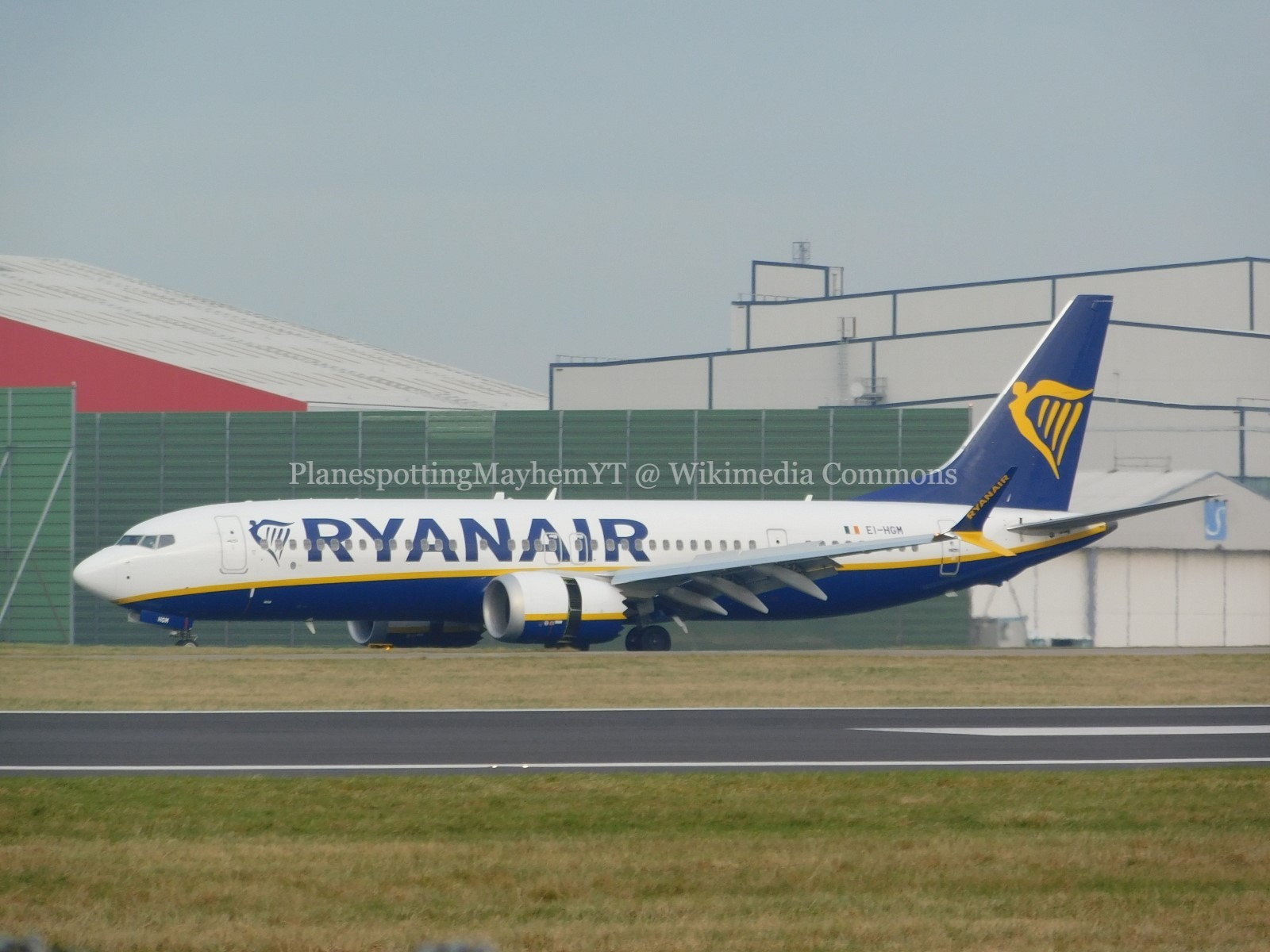
Ryanair Selects Seville for 500 Million Euro Engine Maintenance Facility
By Rania · 8 hours ago