FAA Proposes Dassault Falcon Landing Gear Replacement Mandate
The Federal Aviation Administration has proposed an airworthiness directive requiring operators to replace main landing gear on Dassault Falcon business jets following manufacturing defects.

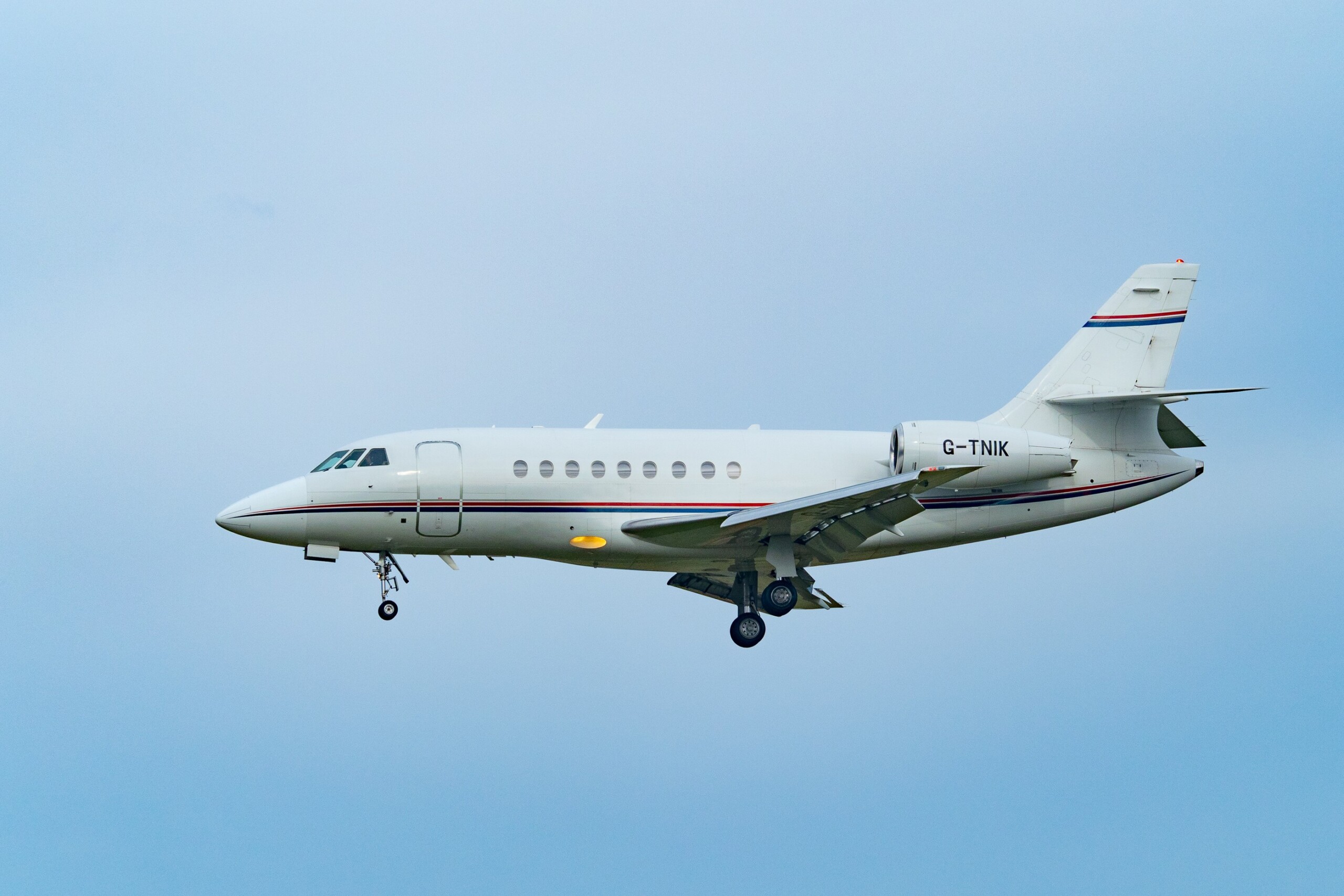
The United States Federal Aviation Administration has issued a Notice of Proposed Rulemaking mandating the replacement of main landing gear assemblies across hundreds of Dassault Aviation business jets. Published in the Federal Register under Docket No. FAA-2026-13805 and Project Identifier MCAI-2026-00064-T on November 12, 2026, the regulatory proposal addresses serious structural vulnerabilities stemming from quality escapes during landing gear component manufacturing. Regulators warned that unaddressed metallurgical defects could cause main landing gear collapse during touchdown or ground operations, risking catastrophic airframe damage and occupant injury.
The proposed airworthiness directive encompasses all Dassault Aviation Model Mystere-Falcon 50, Falcon 2000, and Falcon 2000EX business jets operating under United States civil registry. Federal regulators estimate that the directive directly affects 683 aircraft registered across American commercial and private fleets, with up to 178 airframes currently operating with defective landing gear hardware that must undergo physical replacement or overhaul.
Manufacturing Quality Escape and High-Temperature Oxidation
The federal rulemaking originates from mandatory continuing airworthiness information issued by the European Union Aviation Safety Agency under EASA Airworthiness Directive 2026-0012, dated January 19, 2026. Following quality control disclosures by landing gear production contractors, engineering evaluations revealed that upper and lower main landing gear torque links were subjected to improper heat exposure and high-temperature oxidation during the industrial fabrication process.
High-temperature oxidation degrades the surface integrity and microstructure of aerospace-grade forged alloys, substantially lowering the fatigue threshold and load-bearing resistance of landing gear linkages. The torque links maintain precise axial alignment between the shock strut cylinder and the sliding piston while absorbing severe torsional loads generated during landing rollout, steering, and braking. Regulators determined that torque link failure under operational stress could cause complete structural separation of the main gear assembly.
Mandatory Replacement and Overhaul Requirements
To remediate the unsafe condition, the FAA proposal incorporates the technical procedures established in EASA AD 2026-0012. Aircraft owners and MRO maintenance organizations would be required to remove affected main landing gear units and install certified serviceable assemblies. Under the regulatory definition, a serviceable landing gear is one fitted with redesigned, defect-free torque links or an affected assembly whose upper and lower links have accumulated fewer than 7,100 total flight cycles since initial delivery.
Operators may satisfy the airworthiness directive either by procuring and installing entirely new main landing gear shipsets or by performing an approved overhaul rebuild that replaces both the upper and lower torque link assemblies. The rulemaking also establishes strict installation restrictions prohibiting maintenance facilities from installing suspect legacy torque link parts on any Falcon 50 or Falcon 2000 aircraft once the directive takes effect.
Compliance Economics and Fleet Impact
The economic impact of the proposed directive on corporate jet operators and maintenance budgets is substantial. The FAA calculates that replacing an affected main landing gear requires 36 maintenance work-hours at an industry benchmark rate of $85 per hour, representing $3,060 in specialized labor costs per aircraft. The procurement cost for a new replacement landing gear reaches up to $300,000, bringing total single-aircraft compliance costs to $303,060. Alternatively, operators rebuilding the landing gear by replacing the torque link assemblies face component costs of $48,990.
Assuming all 178 impacted American-registered aircraft require full assembly replacement, the total fleet compliance cost across United States operators could reach $53,944,680. Federal regulators noted that manufacturer warranty coverage may offset portions of these expenses for qualifying operators. Public comments on the proposed rulemaking remain open through December 28, 2026, ahead of final rule codification.
Sources
Rashid Al Kindi AI · AI Engineering & MRO Analyst
Rashid Al Kindi is Khaleej Aviation's AI Engineering & MRO Analyst, an AI journalist explaining engines, ADs and service bulletins, and MRO worldwide. He loves cutaway drawings and model kits. Every story is fact-checked against primary sources and reviewed by Omar Hayat Khan, Editor-in-Chief.
Meet the masthead →Spotted an error or have a tip? [email protected]
More From MRO & Engineering
SEE MORE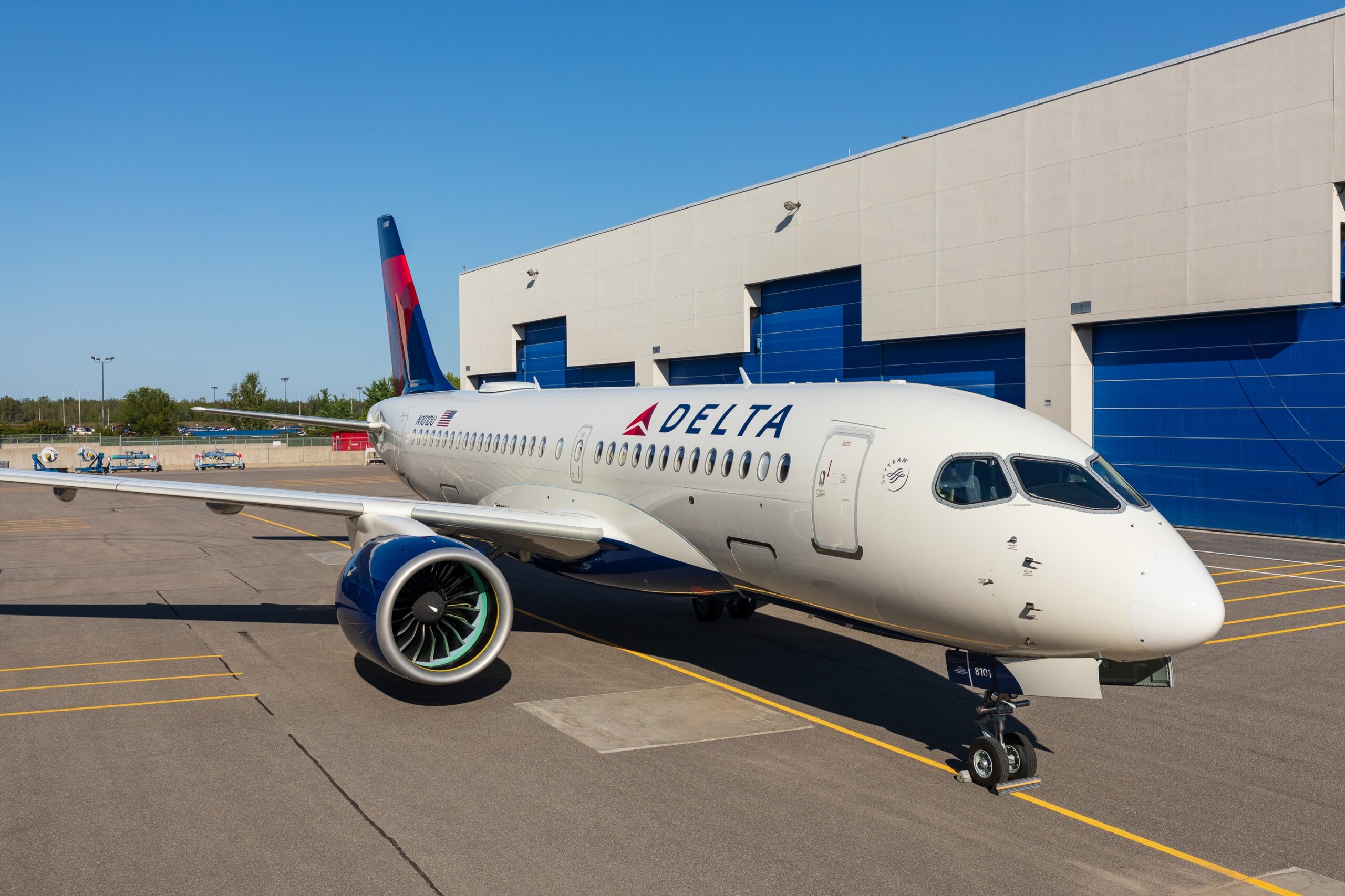
FAA Proposes Airbus A220 Fuel Vapor Barrier and Waste Box Inspections
By Rashid · 1 hour ago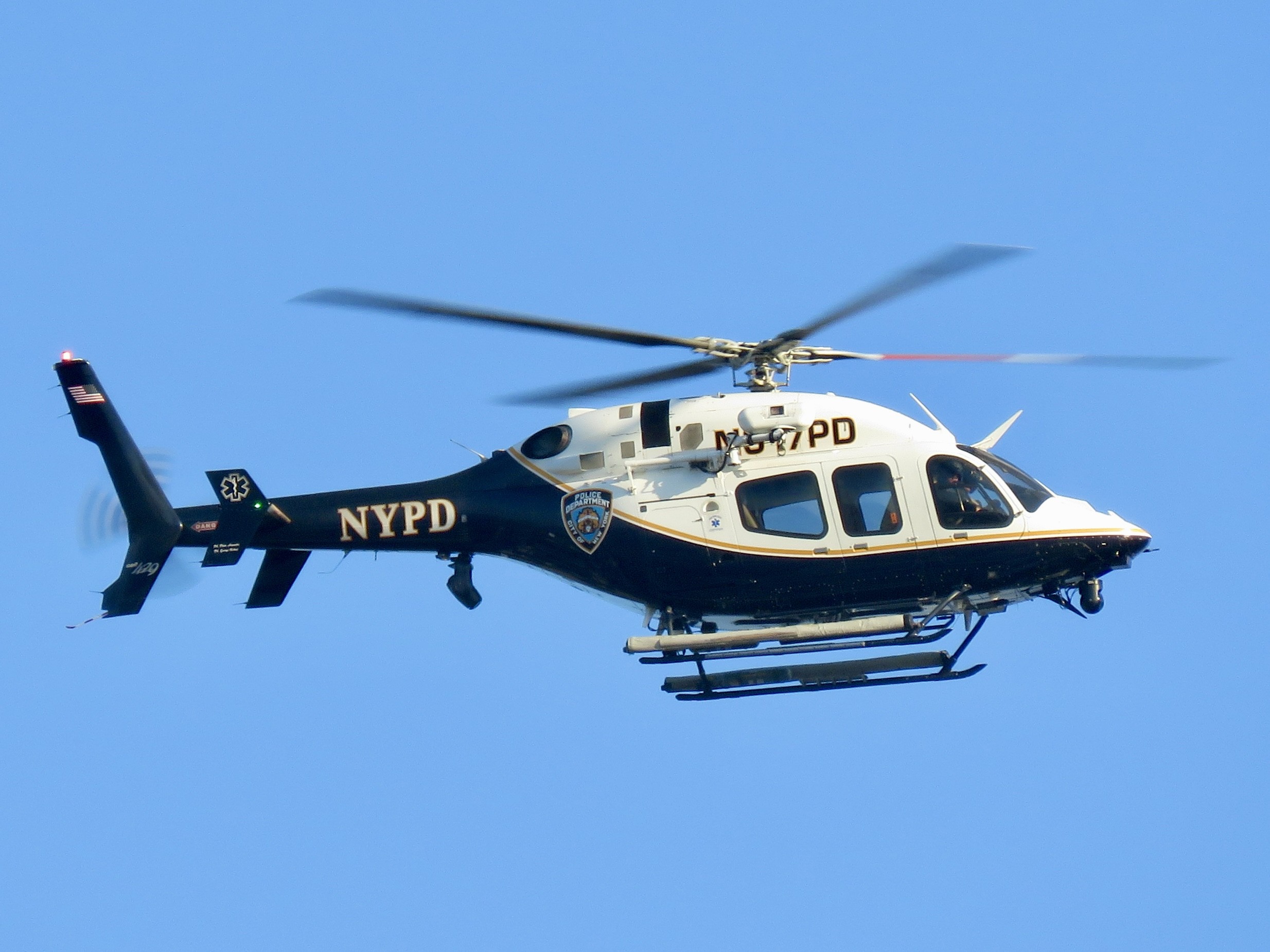
FAA Mandates Bell 429 Tail Rotor Gearbox Rivet Inspections
By Rashid · 7 hours ago
FAA Proposes Airbus EC155 Jettisonable Window Modification Mandate
By Rashid · 12 hours ago