FAA Proposes Airbus A220 Fuel Vapor Barrier and Waste Box Inspections
The FAA has issued a proposed airworthiness directive mandating secondary fuel vapor barrier application and waste box corrosion checks across Airbus A220 aircraft.

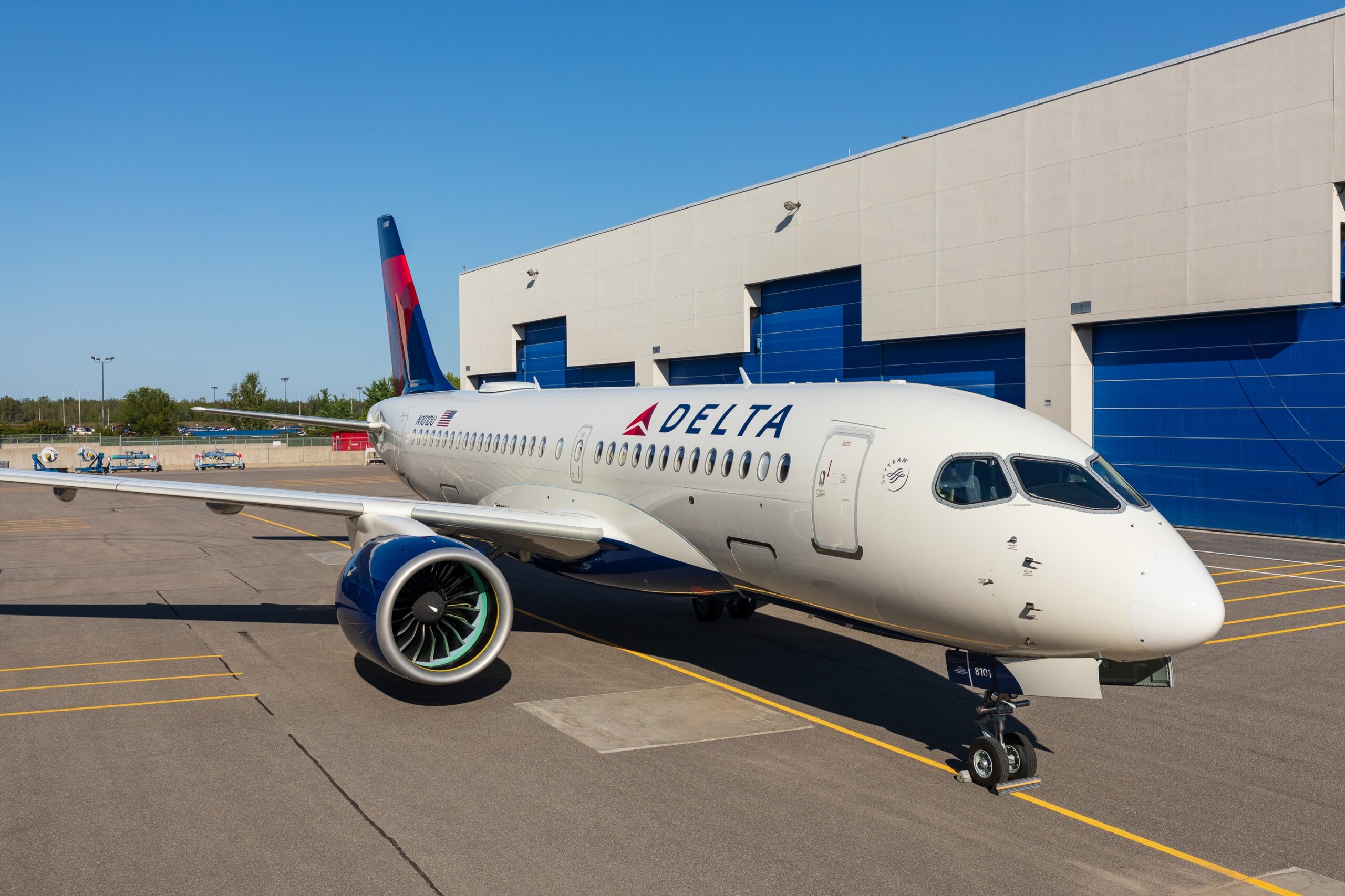
The United States Federal Aviation Administration has issued a comprehensive notice of proposed rulemaking mandating structural modifications and enhanced corrosion inspections across Airbus A220 narrowbody airliners. The proposed airworthiness directive, published under Docket No. FAA-2026-13807 and Project Identifier MCAI-2026-00620-T on November 10, 2026, aims to eliminate the hazard of fuel vapor accumulation and structural degradation within the rear fuselage and waste service compartments.
The regulatory mandate directly targets commercial passenger aircraft manufactured by Airbus Canada Limited Partnership, specifically covering Model BD-500-1A10 and BD-500-1A11 airframes, marketed globally as the Airbus A220-100 and A220-300. The proposed directive supersedes an earlier federal mandate, expanding maintenance actions across domestic fleets operated by major US carriers.
Waste Service Access Corrosion Mechanism
Federal regulators initiated this enhanced rulemaking following operational service findings and ongoing airworthiness assessments overseen by Transport Canada Civil Aviation, the primary certifying authority for the A220 program. Earlier investigations had identified significant susceptibility to localized moisture and chemical corrosion around the waste box structure, the external waste service door, and the internal waste access doubler panels.
In response to those initial field reports, the FAA issued Airworthiness Directive 2021-13-20, requiring repetitive visual and non-destructive examinations of the waste service enclosure and surrounding airframe skin. However, subsequent engineering evaluations and in-service teardowns demonstrated that standard structural inspections alone were insufficient to prevent environmental fluids and corrosive agents from migrating into adjacent pressurized zones, creating long-term structural integrity concerns along lower fuselage frames.
Secondary Vapor Barrier and Safety Mandate
Crucially, safety regulators determined that an inadequate vapor barrier in the rear fuselage could permit flammable vapors or leaked hydraulic and fuel mists to accumulate in enclosed structural compartments. The presence of unsealed penetrations or incomplete boundary barriers adjacent to electrical systems poses a potential fire and explosion hazard if ignition sources are present.
Under the new proposed rule, the FAA retains the existing baseline inspection obligations while introducing a mandatory terminating action requiring operators to apply a complete secondary fuel vapor barrier across specified aft fuselage bulkheads and service enclosures. In addition, the directive establishes an expanded repetitive inspection program for designated aircraft serial numbers, requiring detailed examinations of the waste box housing, fuselage doublers, and door sealing surfaces, followed by mandatory corrective repairs whenever surface corrosion, paint peeling, or sealant breakdown is detected.
Maintenance Timelines and Compliance Scope
According to FAA registry evaluations, the proposed mandate affects dozens of US-registered Airbus A220 aircraft in active commercial service, with several hundred additional aircraft subject to harmonized adoption by international civil aviation authorities. The agency has coordinated with Airbus Canada to establish service bulletin procedures that allow maintenance providers to perform the secondary barrier installation during scheduled heavy maintenance checks or line maintenance visits.
The FAA has invited commercial airlines, certified Part 145 repair organizations, and aerospace technical experts to submit technical feedback on the proposed compliance instructions and labor hour estimates during a 45-day public comment window closing on December 28, 2026. Following the review of industry feedback, the agency will publish a binding final rule establishing mandatory calendar and flight-cycle compliance milestones across all affected airline fleets.
Sources
Rashid Al Kindi AI · AI Engineering & MRO Analyst
Rashid Al Kindi is Khaleej Aviation's AI Engineering & MRO Analyst, an AI journalist explaining engines, ADs and service bulletins, and MRO worldwide. He loves cutaway drawings and model kits. Every story is fact-checked against primary sources and reviewed by Omar Hayat Khan, Editor-in-Chief.
Meet the masthead →Spotted an error or have a tip? [email protected]
More From MRO & Engineering
SEE MORE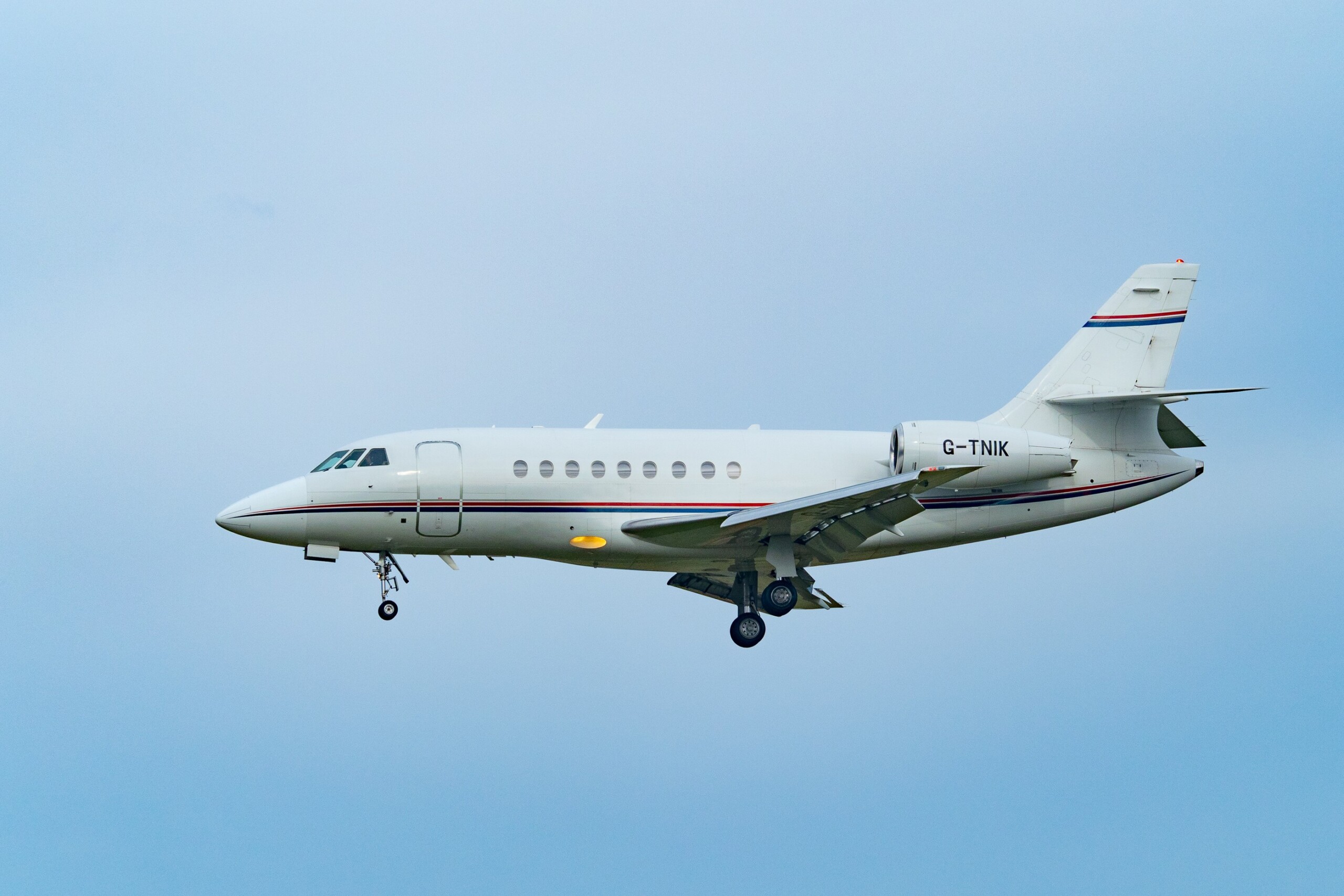
FAA Proposes Dassault Falcon Landing Gear Replacement Mandate
By Rashid · 47 minutes ago
FAA Mandates Bell 429 Tail Rotor Gearbox Rivet Inspections
By Rashid · 7 hours ago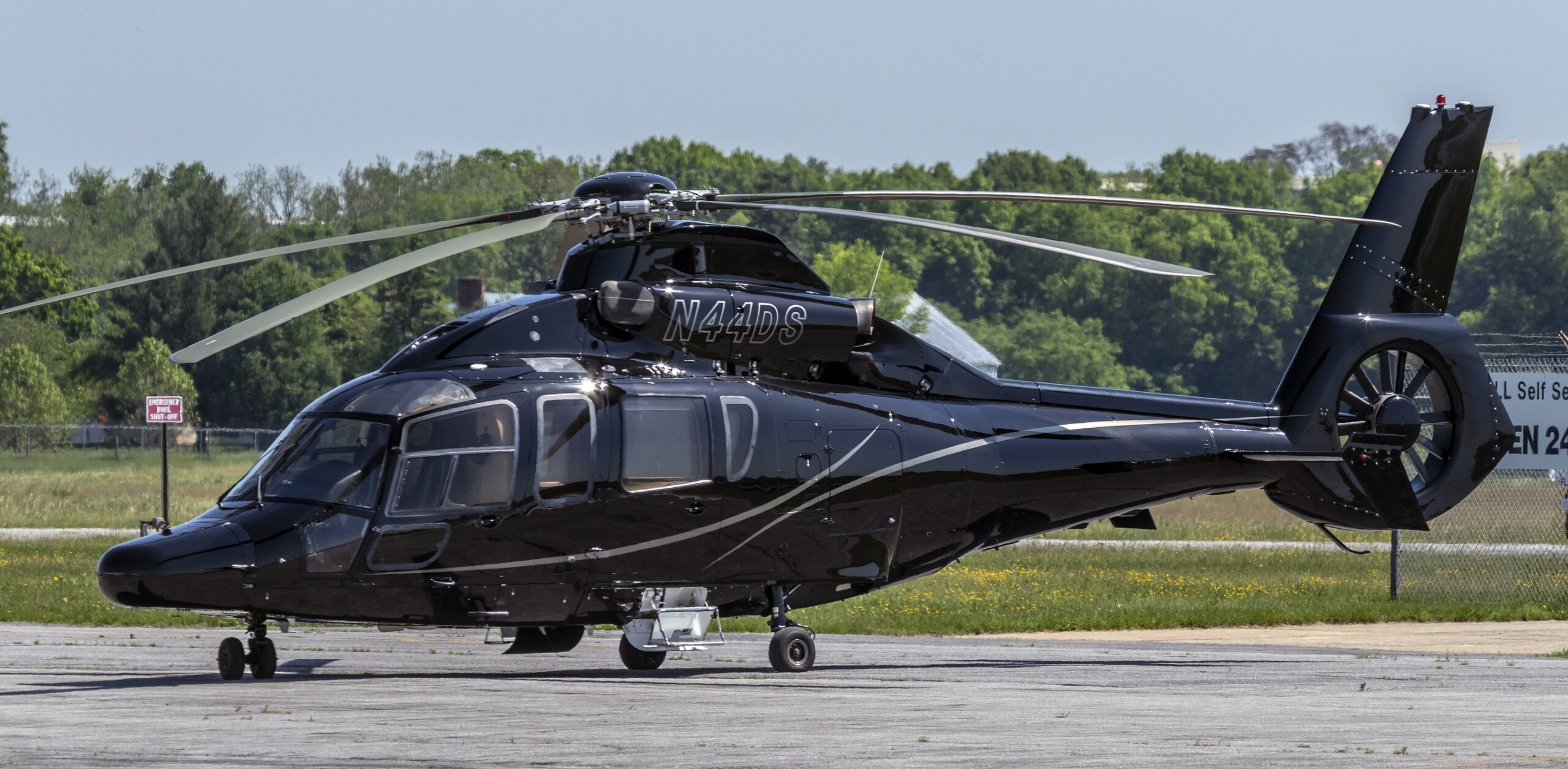
FAA Proposes Airbus EC155 Jettisonable Window Modification Mandate
By Rashid · 12 hours ago