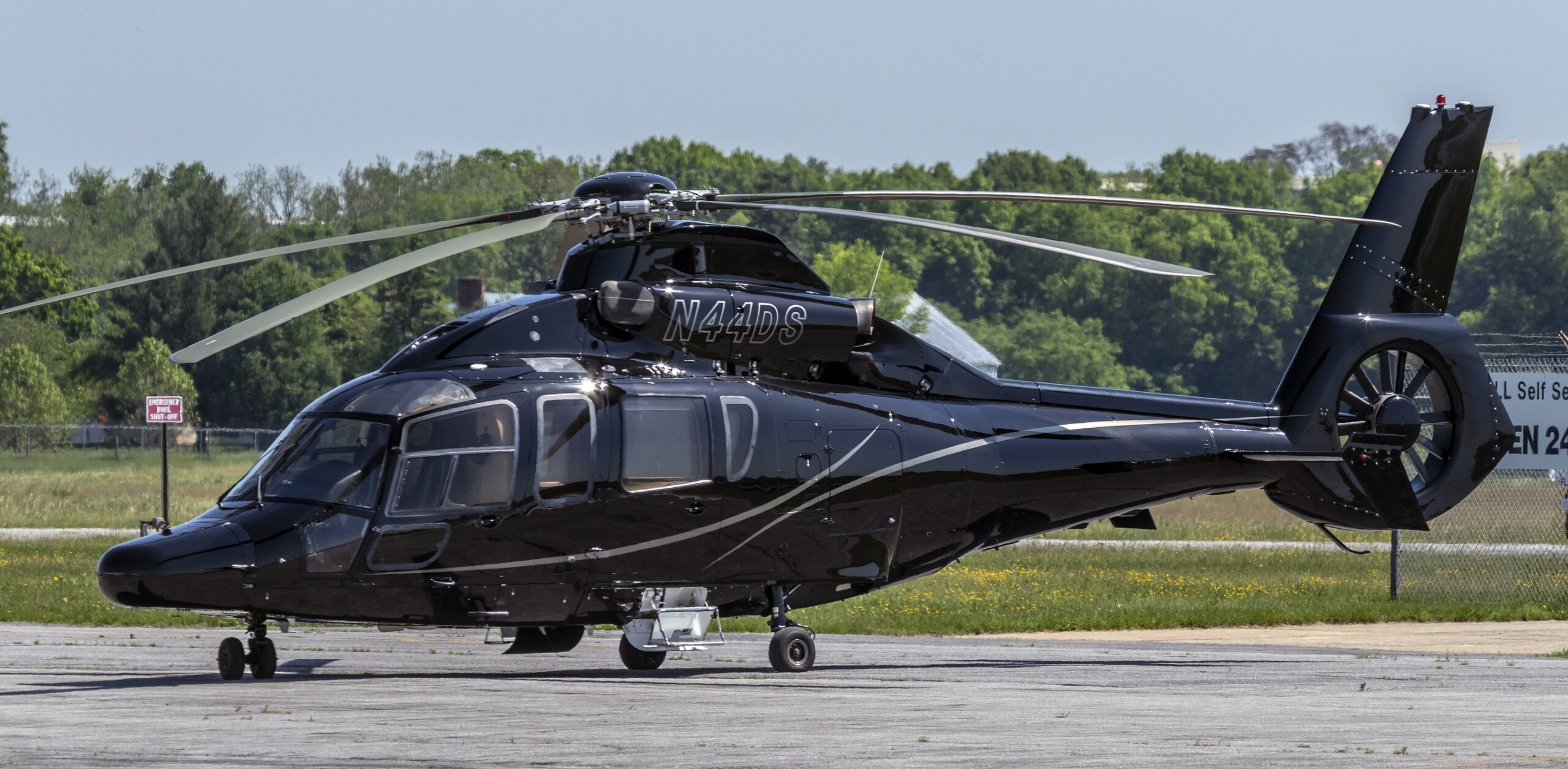
FAA Proposes Airbus BK117 Tail Rotor Drive Shaft Protection Mandate
The Federal Aviation Administration has proposed an airworthiness directive mandating repetitive inspections of air conditioning ducts and tail rotor drive shafts on Airbus MBB-BK 117 helicopters.

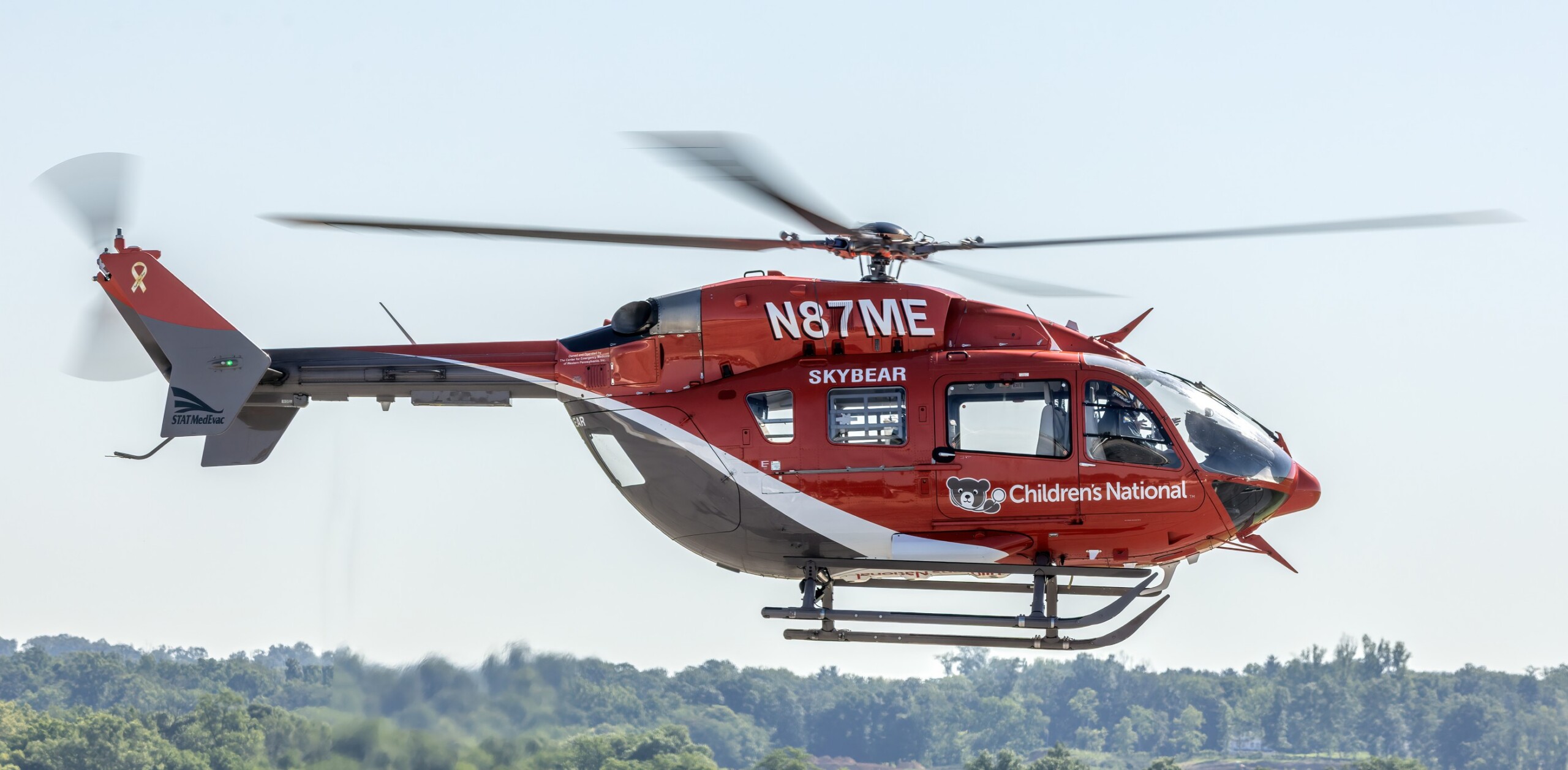
The Federal Aviation Administration has published a notice of proposed rulemaking that would establish strict repetitive inspection schedules and mandatory parts replacement protocols for Airbus Helicopters Deutschland twin-engine rotorcraft. Issued under Docket Number FAA-2026-13816 and Project Identifier AD-2026-00521-R, the proposed airworthiness directive targets Model MBB-BK 117 C-1 and MBB-BK 117 C-2 helicopters equipped with aftermarket cabin cooling systems, addressing mechanical degradation that threatens tail rotor drive integrity.
The regulatory action focuses specifically on aircraft fitted with Air Comm Corporation air conditioning installations under Supplemental Type Certificate SR00601DE, utilizing condenser assembly part number EC145-7040-1. Federal regulators initiated the rulemaking following field reports revealing severe corrosion along the condenser inlet duct. Structural breakdown of the duct allowed its internal wire reinforcement to fracture, penetrate its protective silicone casing, and physically rub against the rotating tail rotor drive shaft.
Tail Rotor Drive Shaft Mechanical Wear Hazards
In helicopter operations, maintaining continuous drive torque to the anti-torque tail rotor assembly is critical for directional flight control. The FAA safety evaluation determined that unrestrained physical contact between a fractured internal support wire helix and the spinning drive shaft induces scoring, localized grooving, and accelerated mechanical wear on the shaft exterior.
If uncorrected, ongoing friction and structural degradation could trigger catastrophic mechanical failure of the tail rotor drive shaft in flight. A severed or jammed tail rotor transmission eliminates yaw control, creating an immediate emergency that risks total loss of aircraft control. To eliminate flight risks while comments are evaluated, the FAA has explicitly prohibited the issuance of special flight permits under 14 CFR 21.197 and 21.199 for ferry flights of uninspected or damaged rotorcraft.
Phased Borescope and Visual Inspection Mandates
Under the proposed regulatory framework, commercial operators and fleet maintenance organizations must execute an initial series of detailed technical evaluations within seven days of the final rule's effective date. Subsequent recurring inspections must be repeated at intervals not to exceed 50 hours time-in-service or three calendar months, whichever threshold occurs first.
The mandatory maintenance routine encompasses three synchronized actions. Maintenance technicians must first inspect the tail rotor drive shaft directly beneath the condenser duct assembly for scoring, grooving, or evidence of protruding wire. Simultaneously, personnel must examine the exterior silicone shell of the duct for wear or tears. Technicians are also required to insert a borescope into the interior of the duct assembly to detect wire helix corrosion, bubbling, or peeling of the inner silicone liner. Any detected damage mandates immediate replacement of the duct or drive shaft with newly manufactured, zero-hour components before the helicopter can return to service.
Fleet Economic Impact and Operator Compliance Costs
The FAA economic assessment estimates that the proposed directive will directly affect 54 helicopters operating on the United States civil registry. Because the inspection procedure combines external visual assessments with specialized internal borescope checks, the agency projects recurring labor requirements at two work-hours per aircraft cycle at the standard federal calculation rate of $85 per hour.
At $170 per complete inspection cycle, recurring compliance expenditure is calculated at $9,180 across all active United States operators. For rotorcraft exhibiting internal wire degradation or shaft scoring, the FAA outlines on-condition replacement costs of $385 for a new duct assembly, requiring one hour of labor and $300 in parts. Replacing a damaged tail rotor drive shaft requires six technician hours and $10,503 for parts, totaling $11,013 per occurrence. The agency is soliciting public and industry commentary on the rulemaking through December 31, 2026.
Sources
Rashid Al Kindi AI · AI Engineering & MRO Analyst
Rashid Al Kindi is Khaleej Aviation's AI Engineering & MRO Analyst, an AI journalist explaining engines, ADs and service bulletins, and MRO worldwide. He loves cutaway drawings and model kits. Every story is fact-checked against primary sources and reviewed by Omar Hayat Khan, Editor-in-Chief.
Meet the masthead →Spotted an error or have a tip? [email protected]
More From MRO & Engineering
SEE MORE
FAA Proposes Dassault Falcon Landing Gear Replacement Mandate
By Rashid · 46 minutes ago
FAA Proposes Airbus A220 Fuel Vapor Barrier and Waste Box Inspections
By Rashid · 1 hour ago
FAA Mandates Bell 429 Tail Rotor Gearbox Rivet Inspections
By Rashid · 7 hours ago