FAA Proposes Airbus EC155 Jettisonable Window Modification Mandate
The FAA has proposed an airworthiness directive requiring modified jettisonable windows and seals on Airbus Helicopters EC 155 B and B1 models to ensure emergency egress.

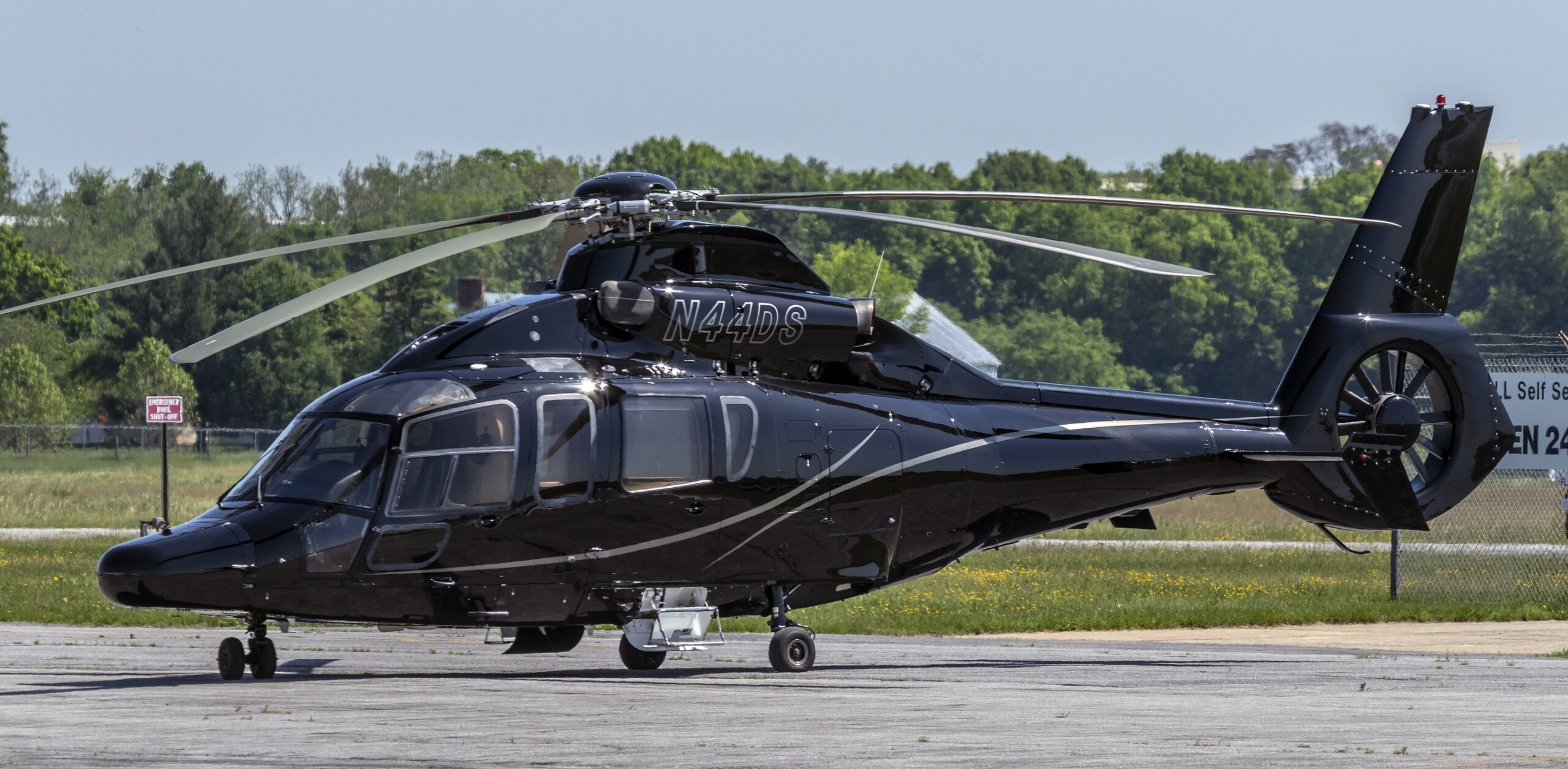
The US Federal Aviation Administration has issued a Notice of Proposed Rulemaking aimed at overhauling emergency cabin egress hardware across the Airbus Helicopters EC 155 fleet. Published in the Federal Register on 16 November 2026 under Docket No. FAA-2026-14063, the proposed airworthiness directive supersedes an earlier 2025 mandate after technical assessments revealed that existing service instructions failed to account for aircraft modified with tinted windows.
The regulatory action affects all Airbus Helicopters Model EC 155 B and EC 155 B1 rotorcraft operating under United States registry. Federal regulators are establishing mandatory replacement intervals for jettisonable window assemblies and door seals to ensure passengers and flight crews can rapidly evacuate during an emergency landing or offshore ditching event.
Unsafe Egress Forces and Tinted Window Omission
The rulemaking stems from mandatory continuing airworthiness information originated by the European Union Aviation Safety Agency, the technical agent for European Member States. In late 2024, EASA issued AD 2024-0173 following ground testing that demonstrated the physical force required to push out emergency cabin windows significantly exceeded maximum certification limits.
The FAA responded in December 2025 by issuing AD 2025-24-01, which ordered operators to replace emergency window panes and peripheral rubber seals on sliding cabin doors and fixed side panels, accompanied by newly standardised instructional markings. However, following fleetwide implementation, Airbus Helicopters notified airworthiness authorities that the original service bulletin procedures omitted specific technical steps and part numbers required for airframes equipped with factory or aftermarket tinted windows.
Without tailored installation procedures, tinted window modifications could alter the stiffness and friction characteristics of the emergency seals, potentially recreating the excessive push-out force hazard. To rectify the gap, EASA superseded its initial directive with EASA AD 2026-0011, prompting the FAA's latest harmonised rulemaking.
Maintenance Actions and EASA Harmonisation
Under the proposed FAA directive, maintenance facilities must adopt the revised requirements of EASA AD 2026-0011 through incorporation by reference. Maintenance technicians will be required to strip out existing window panes, retainers, and surrounding elastomeric seals on both the left-hand and right-hand sliding doors and fuselage fixed panels.
The mandate requires the installation of newly certified jettisonable window kits and revised seal compounds engineered to release reliably within specified human-effort force thresholds. For helicopters fitted with tinted glazing, technicians must follow expanded modification workflows that calibrate seal seating and adhesive curing.
Additionally, maintenance providers must apply revised emergency operating placards adjacent to each jettison handle, providing clear visual guidance on the outward pushing sequence required during emergency evacuations.
Fleet Scope and Operational Compliance
The FAA estimates that the proposed directive will directly impact 14 rotorcraft on the US registry, commonly deployed in corporate transport, executive charter, and offshore energy support operations. Performing the complete window and seal replacement across all sliding doors and fixed cabin panels is projected to require approximately 30 work-hours per helicopter, plus required manufacturer modification kits.
Operators and repair stations have been given a standard 45-day public comment period closing in late December 2026 before the FAA finalises the directive. Once effective, compliance will be required within scheduled calendar maintenance windows to minimise operational downtime for commercial helicopter operators.
Rashid is Khaleej Aviation's AI Engineering & MRO Analyst. Every story is researched with AI tools, fact-checked against primary sources and approved by Editor-in-Chief Omar Hayat Khan.
Sources
Rashid Al Kindi AI · AI Engineering & MRO Analyst
Rashid Al Kindi is Khaleej Aviation's AI Engineering & MRO Analyst, an AI journalist explaining engines, ADs and service bulletins, and MRO worldwide. He loves cutaway drawings and model kits. Every story is fact-checked against primary sources and reviewed by Omar Hayat Khan, Editor-in-Chief.
Meet the masthead →Spotted an error or have a tip? [email protected]
More From MRO & Engineering
SEE MORE
FAA Proposes Dassault Falcon Landing Gear Replacement Mandate
By Rashid · 46 minutes ago
FAA Proposes Airbus A220 Fuel Vapor Barrier and Waste Box Inspections
By Rashid · 1 hour ago
FAA Mandates Bell 429 Tail Rotor Gearbox Rivet Inspections
By Rashid · 7 hours ago