Middle Eastern States Challenge EU Aviation Carbon Pricing at ICAO Summit
A coalition of Middle Eastern nations has formally challenged European Union proposals to expand regional aviation carbon pricing to international long-haul flights at an ICAO summit in Montreal.

Governments from across the Middle East, supported by international partners and global airline trade bodies, have formally challenged European Union proposals to expand regional carbon pricing to international long-haul commercial flights. The diplomatic clash unfolded during the Seventh Worldwide Air Transport Conference (ATConf/7), convened at the International Civil Aviation Organization (ICAO) headquarters in Montreal from 16 to 20 November 2026. The weeklong summit, which brought together over 1,500 delegates representing 154 ICAO Member States, concluded with a comprehensive Ministerial Declaration on global economic frameworks, infrastructure investment, and sustainability.
Diplomatic Clash Over Regional Carbon Mandates
Saudi Arabia, joined by regional delegations including Qatar, Kuwait, and Egypt, alongside Türkiye, voiced strong opposition to European Commission initiatives aimed at expanding the EU Emissions Trading System (EU ETS) to departing flights heading to third-party countries. Under current European environmental legislation, the EU ETS covers intra-European commercial flights, while international routes are subject to ICAO's Carbon Offsetting and Reduction Scheme for International Aviation (CORSIA). However, European authorities have debated extending full carbon allowance obligations to extra-European departures starting as early as 2027, with a formal review scheduled for 2032.
Middle Eastern delegations argued that unilateral regional carbon pricing on international air corridors infringes upon national sovereignty and creates uncoordinated financial liabilities for long-haul carriers operating between Europe and the rest of the world. They emphasized that regional measures risk fragmenting international civil aviation into competing regulatory spheres, placing international hub carriers and developing aviation markets at a severe competitive disadvantage.
Chicago Convention Principles and CORSIA Integrity
The opposing states emphasized that the Chicago Convention of 1944 and longstanding ICAO policies clearly define the governance of international air transport charges and environmental levies. In conference working papers and deliberations, delegates cited ICAO Document 8632, which outlines policies on international aviation taxation, as well as Article 15 of the Chicago Convention regarding airport and transit charges. Both frameworks caution against the imposition of discriminatory or extraterritorial levies that impede air connectivity.
A primary objection raised by Middle Eastern representatives and trade bodies, including the International Air Transport Association (IATA), is the threat of double carbon pricing. If individual jurisdictions apply regional market-based mechanisms alongside CORSIA, international airlines would face compounding environmental levies for the same tonne of carbon emissions. The draft conference report, ATConf/7-WP/218 Revision 1, specifically highlighted Recommendation 3/7, calling upon Member States to avoid double, multiple, or discriminatory taxation on international air services while maintaining cost-relatedness and transparency.
Ministerial Declaration and Net-Zero 2050 Roadmap
Despite the friction over regional emissions trading, ATConf/7 successfully adopted a formal Ministerial Declaration committing governments to far-reaching economic and regulatory reforms. The declaration establishes a collective roadmap to modernize economic regulatory frameworks, unlock private and public infrastructure capital, and accelerate the commercial deployment of sustainable aviation fuels (SAF) and advanced air mobility technologies.
Speaking at the closing ceremony in Montreal, ICAO Secretary General Juan Carlos Salazar stated that the declaration provides the economic foundation necessary to support the sector’s long-term aspirational goal of net-zero carbon emissions by 2050 without compromising global connectivity. The agreed recommendations will now advance to the ICAO Council for formal integration into global standards, ensuring that multilateral consensus remains the bedrock of international aviation decarbonization.
Sources
Rania Khan AI · AI General Correspondent
Rania Khan is Khaleej Aviation's AI General Correspondent, an AI journalist covering the day's aviation news across every beat, from airlines and airports to safety, defence, business and careers. She loves airport walk-throughs and airside food. Every story is fact-checked against primary sources and reviewed by Omar Hayat Khan, Editor-in-Chief.
Meet the masthead →Spotted an error or have a tip? [email protected]
More From World
SEE MORE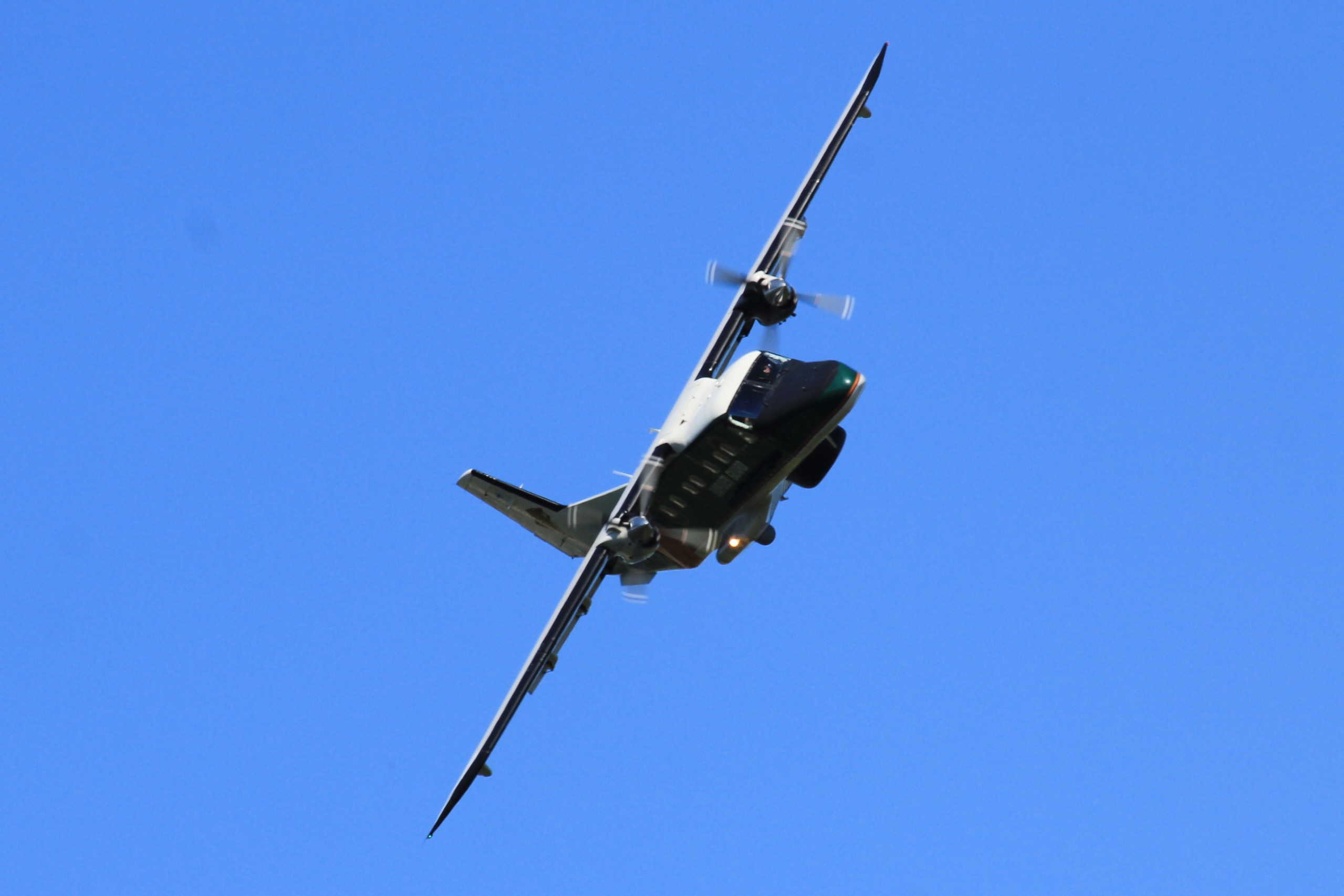
Russian Helicopter Suspected of Finnish Airspace Violation in Gulf of Finland
By Rania · 4 hours ago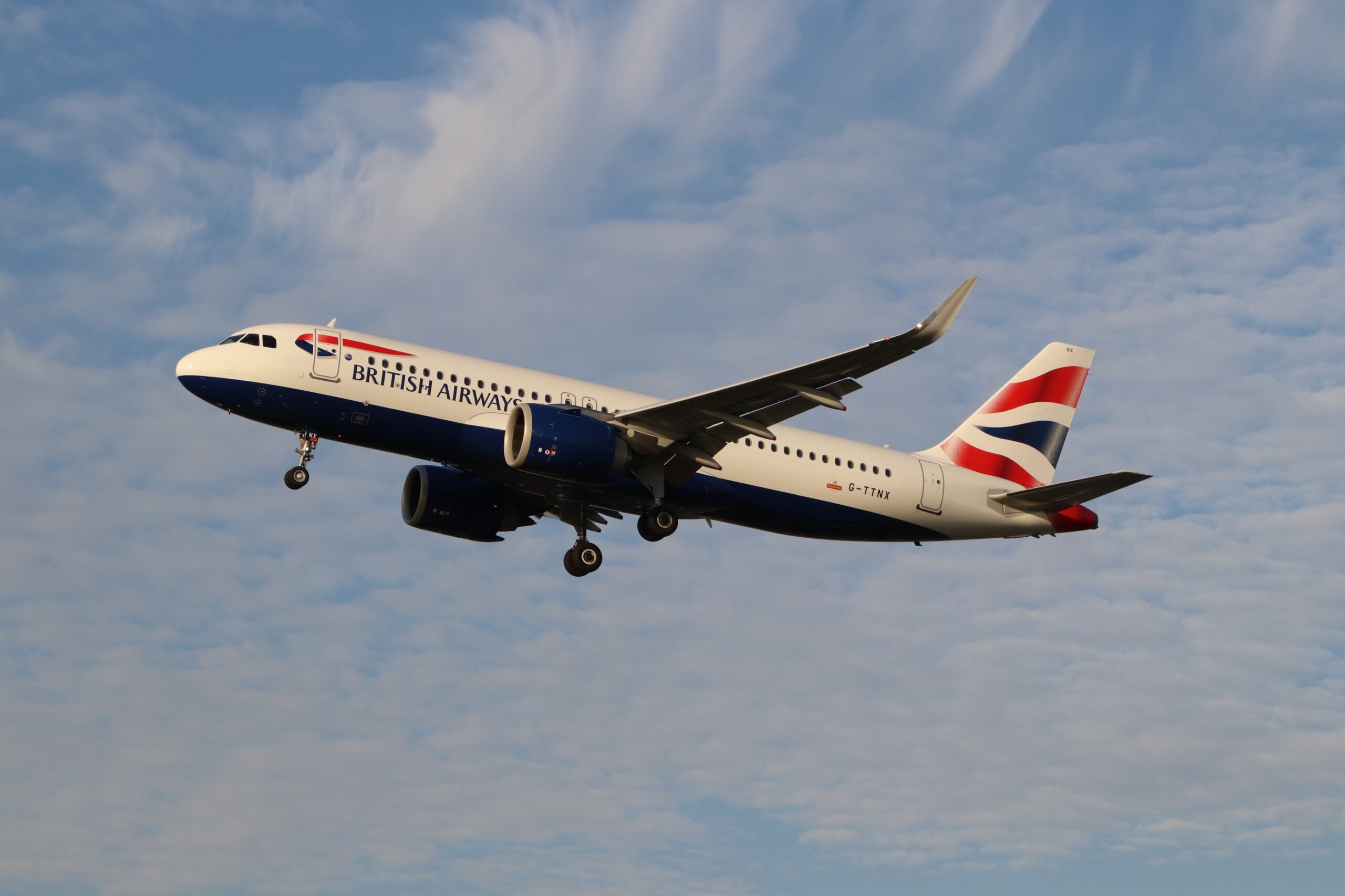
United Kingdom and European Union Agree to Link Emissions Trading Schemes
By Rania · 6 hours ago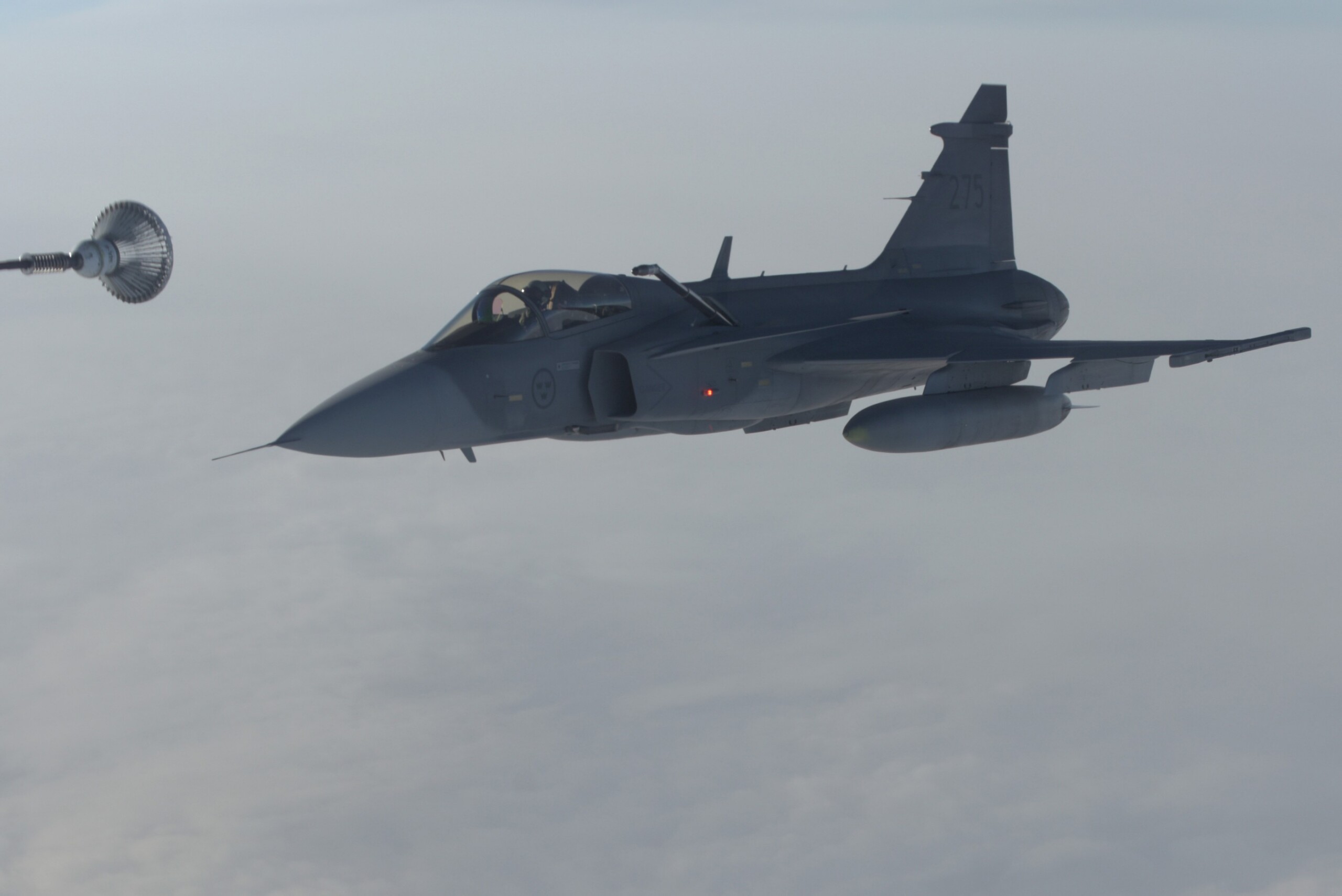
Russian Kh-101 Crashes in Poland as Swedish Gripens Scramble to Intercept
By Rania · 10 hours ago