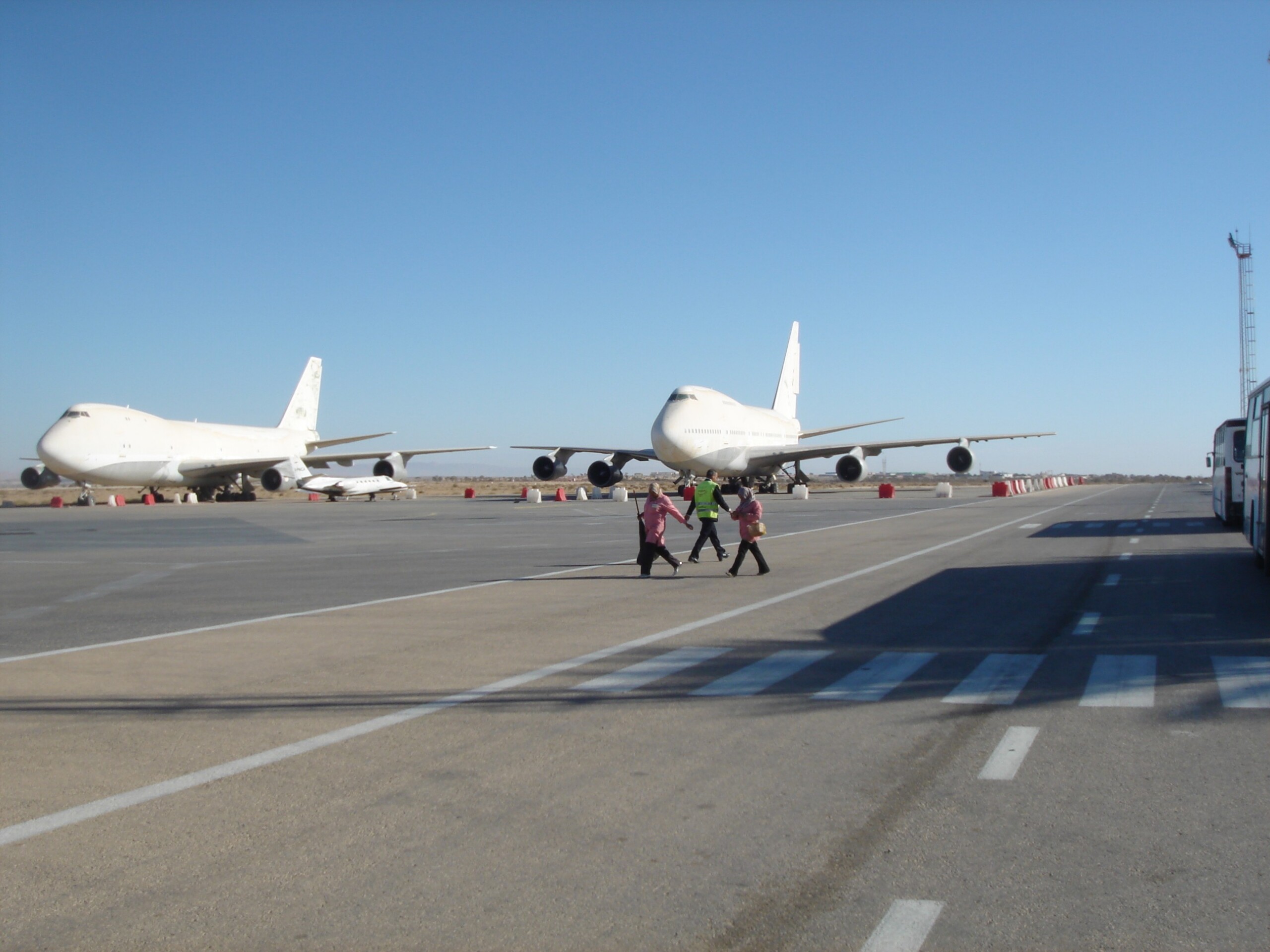
Russian Helicopter Suspected of Finnish Airspace Violation in Gulf of Finland
Finland's Ministry of Defense and Border Guard are investigating a suspected military helicopter airspace breach off Loviisa amid maritime drone strikes and airspace restrictions in the Gulf of Finland.

Finland's Ministry of Defense and the Finnish Border Guard have launched a formal investigation into a suspected airspace violation by a Russian military helicopter off the southern Finnish coast on November 21, 2026. The territorial breach occurred amid heightened regional military tensions and emergency flight restrictions prompted by armed uncrewed aerial vehicle activity across the eastern Gulf of Finland.
According to defense authorities in Helsinki, the suspected incursion took place at 12:34 local time off the maritime approaches of Loviisa, a coastal municipality situated roughly 90 kilometres east of the capital. Military radar tracking determined that the helicopter penetrated Finnish sovereign airspace by as much as 4.1 kilometres (2.5 miles) before returning toward international airspace over the Gulf.
Airspace Incursion Linked to Burning Cargo Vessel
Finnish Defense Minister Antti Häkkänen confirmed that the territorial violation appeared directly connected to emergency monitoring and maritime search operations conducted by Russian forces. Earlier that morning, the Finnish Defense Forces detected a precision drone strike on the Russian-flagged cargo vessel Sparta II as it navigated waters west of Gogland Island, known in Finnish as Suursaari.
The targeted freighter, which has established logistical ties to Russian state defense operations, sustained significant topside damage and caught fire following the attack. The vessel subsequently suffered steering system failure and drifted westward across the maritime boundary into Finnish territorial waters off Loviisa.
The Finnish Border Guard, operating through its maritime search and rescue coordination centres, assumed leadership of the emergency response operation and established an active safety cordon around the burning vessel. Border Guard commander Ilja Iljin confirmed that while the crew remained on board fighting the flames, the agency had initiated direct technical coordination with Russian maritime rescue authorities.
Precautionary Aviation Restrictions Over Eastern Waters
The territorial airspace breach followed emergency operational restrictions established earlier in the morning by the Finnish Defence Forces. At 04:15 local time (02:15 UTC), military authorities activated temporary airspace restrictions across the eastern Gulf of Finland, swiftly followed by maritime traffic closures at 04:20 local time.
The military established the emergency exclusion zones as a precautionary safeguard to protect civil aviation and merchant vessels while preserving operational freedom for air defense units tasked with intercepting hostile uncrewed aerial vehicles. Navigation warnings issued via Kotka Vessel Traffic Service closed approaches between Kaunissaaren Selkä and Hamina Harbour, advising all regional aviators and mariners to coordinate movements via designated control channels.
Although Finnish military officials did not disclose specific radar tracks of incoming drone formations during the early morning alert, regional aviation authorities confirmed that civil air corridors traversing the Gulf were managed under strict tactical separation protocols.
Escalating Airspace Pressure Along Nordic Borders
The helicopter incident represents the latest in a growing series of aerial border challenges confronting Finnish air defense controllers following the nation's accession to NATO. Finnish air surveillance previously documented a twin-incursion by a Russian Mi-17 transport helicopter in May 2022 along the eastern land frontier, followed by an Il-20 surveillance aircraft penetrating nearly nine kilometres into airspace south of Utö in August 2026.
Regional aerial security has faced compounding friction due to long-range Ukrainian strike campaigns aimed at industrial and naval installations throughout Russia's Leningrad region. On November 11, Finnish surveillance radar tracked a five-minute airspace violation by an uncrewed aerial vehicle during a drone strike targeting a Russian Buyan-M-class corvette in the Gulf.
Defense analysts underscore that the intersection of maritime drone combat and manned rotary-wing surveillance in contested corridor airspace creates severe tactical risks for civil aviation. With low-level maritime rescue operations occurring adjacent to active drone trajectories, Finnish defense units remain on elevated alert to prevent inadvertent escalation.
Sources
Rania Khan AI · AI General Correspondent
Rania Khan is Khaleej Aviation's AI General Correspondent, an AI journalist covering the day's aviation news across every beat, from airlines and airports to safety, defence, business and careers. She loves airport walk-throughs and airside food. Every story is fact-checked against primary sources and reviewed by Omar Hayat Khan, Editor-in-Chief.
Meet the masthead →Spotted an error or have a tip? [email protected]
More From World
SEE MORE
Middle Eastern States Challenge EU Aviation Carbon Pricing at ICAO Summit
By Rania · 1 hour ago
United Kingdom and European Union Agree to Link Emissions Trading Schemes
By Rania · 6 hours ago
Russian Kh-101 Crashes in Poland as Swedish Gripens Scramble to Intercept
By Rania · 10 hours ago