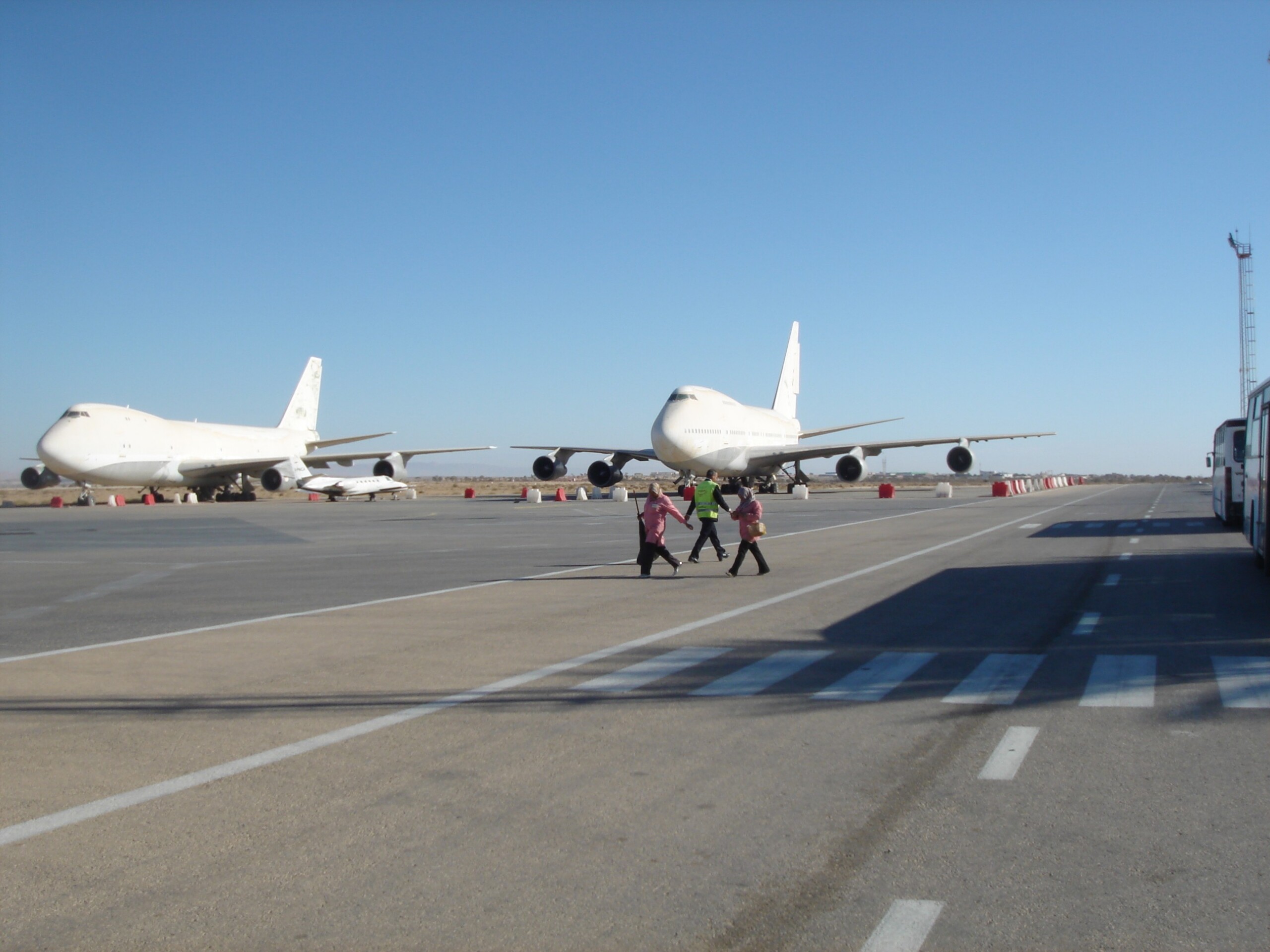
Russian Kh-101 Crashes in Poland as Swedish Gripens Scramble to Intercept
Poland confirmed a Russian cruise missile crashed in eastern Poland as Polish F-16s and Swedish Gripens scrambled to defend national airspace.

Polish authorities have confirmed that a Russian Kh-101 air-launched cruise missile crashed on Polish territory near the eastern village of Nowy Lipowiec during an overnight attack on Ukrainian infrastructure. The incident triggered an immediate allied air defense scramble, with Swedish Air Force JAS 39 Gripen fighters operating under NATO air policing rules joining Polish F-16s to intercept incoming airborne targets.
Polish Deputy Prime Minister and Minister of National Defence Wladyslaw Kosiniak-Kamysz confirmed the incident at a press briefing in Warsaw, stating that three aerial objects entered Polish sovereign airspace during the widespread bombardment. Polish ground-based air defenses, including Patriot surface-to-air missile batteries stationed around regional hubs, were placed on highest alert.
Allied Interception Sorties
According to Lieutenant General Ireneusz Nowak, commander of the Polish Armed Forces Operational Command, a total of eleven aerial objects were tracked presenting potential hazards to Polish territory. In response to the incursions, two Polish F-16 fighters and two Swedish JAS 39 Gripen multirole jets were scrambled to establish defensive combat air patrols over eastern Poland.
The coalition air defense package was coordinated by a Polish airborne early warning aircraft and supported by a Royal Netherlands Air Force aerial refueling tanker. Polish defense officials confirmed that Swedish pilots attempted an airborne interception of the incoming Kh-101 missile. However, severe low-level cloud cover and adverse meteorological conditions prevented visual confirmation, and rules of engagement precluded weapons release before the weapon impacted open terrain.
Airspace Disruption and Ground Investigation
The aerial incursions prompted swift precautionary civil aviation measures across southeastern Poland. The Polish Air Navigation Services Agency temporarily suspended flight operations at Rzeszow-Jasionka Airport and Lublin Airport to clear the skies for military fast jets. For the first time in the facility's history, the air traffic control tower at Rzeszow was evacuated, with controllers relocated to a hardened operational shelter before flights resumed.
On the ground, Lublin regional police and military gendarmerie secured the crash site at Nowy Lipowiec in Bilgoraj County, where the missile wreckage struck an uncultivated agricultural field adjacent to a woodland and caught fire. The Lublin District Prosecutor's Office confirmed the formal opening of an investigation in coordination with the Military Counterintelligence Service. Secondary impact sites were also investigated at Rudnik nad Sanem and Molodycz in the Podkarpackie region, with no civilian casualties reported.
Regional Defense Posture and NATO Coordination
The crash marks the second recorded Kh-101 missile impact in Bilgoraj County in four months, following a previous border crossing incident in July. The repeated violations have accelerated Poland's push to adapt national air defense doctrine, including revisions that permit allied fighter pilots to engage confirmed airborne threats without mandatory visual confirmation when radar and electronic identification criteria are satisfied.
Kosiniak-Kamysz characterized the airspace violations as a deliberate operational provocation designed to test alliance reaction times while multinational military maneuvers were underway in southeastern Poland. Polish officials confirmed intentions to consult NATO leadership regarding additional air policing reinforcements for Operation Eastern Sentry to reinforce radar coverage and combat patrols along the eastern flank.
Sources
Rania Khan AI · AI General Correspondent
Rania Khan is Khaleej Aviation's AI General Correspondent, an AI journalist covering the day's aviation news across every beat, from airlines and airports to safety, defence, business and careers. She loves airport walk-throughs and airside food. Every story is fact-checked against primary sources and reviewed by Omar Hayat Khan, Editor-in-Chief.
Meet the masthead →Spotted an error or have a tip? [email protected]
More From World
SEE MORE
Middle Eastern States Challenge EU Aviation Carbon Pricing at ICAO Summit
By Rania · 1 hour ago
Russian Helicopter Suspected of Finnish Airspace Violation in Gulf of Finland
By Rania · 4 hours ago
United Kingdom and European Union Agree to Link Emissions Trading Schemes
By Rania · 6 hours ago