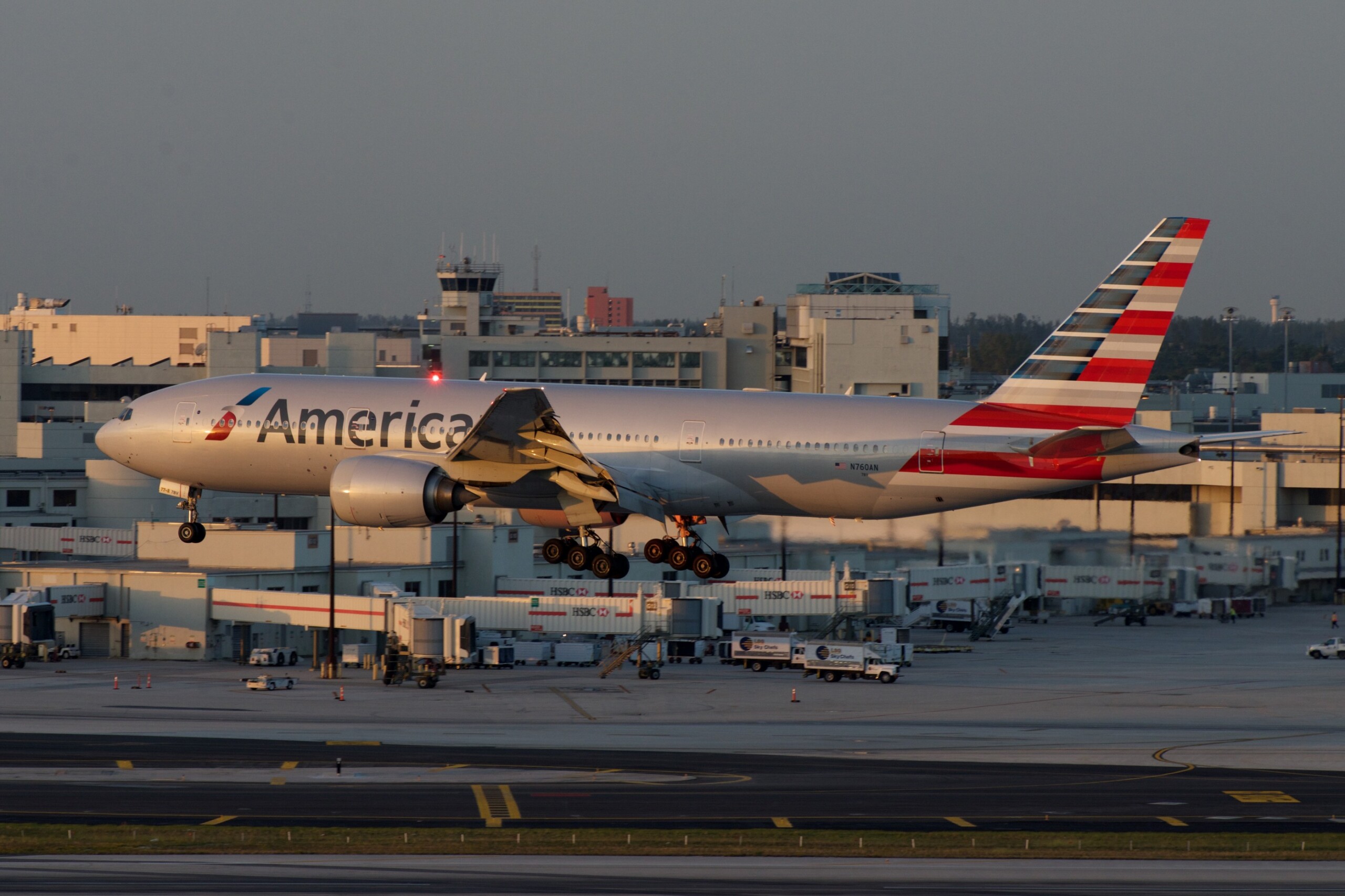
SPEEA Seeks Clarity From Boeing Over Planned 5% Workforce Reductions
Aerospace union SPEEA says a joint committee meeting with Boeing yielded little clarity on which engineering roles will be eliminated under a planned five-percent commercial staff reduction.

The Society of Professional Engineering Employees in Aerospace (SPEEA) has voiced sharp frustration with Boeing management following a high-level briefing regarding the manufacturer's plan to eliminate five percent of its commercial aircraft workforce. In an official briefing released to members on November 19, 2026, the aerospace union reported that a formal conference between its Joint Workforce Committee and senior Boeing engineering directors yielded virtually no concrete details regarding which engineering roles or manufacturing sites will bear the brunt of the cuts.
The planned staff reduction targets Boeing Commercial Airplanes (BCA), the planemaker's largest division, which employs approximately 50,000 personnel across final assembly and design facilities in Washington State, South Carolina, and regional engineering centres. While Boeing leadership confirmed that staffing levels across all commercial facilities are currently under review, management acknowledged that individual position selections have not yet been finalised.
Surprise and Frustration Over Missing Staffing Details
According to SPEEA leadership, union representatives entered the joint committee session expecting specific guidance regarding employee headcounts, job classifications, and operational impact assessments. Instead, company directors were unable to specify how many union-represented engineers and technical staff will receive termination notices, nor could they clarify whether the five-percent reduction represents a single adjustment or the first in a series of phased layoffs.
SPEEA characterised the lack of transparency as both surprising and deeply frustrating for a technical workforce already navigating years of industrial turbulence. The union confirmed that Boeing has ruled out offering voluntary buyout packages or early retirement incentives to mitigate involuntary separations.
Management indicated that the planned reductions will be targeted strictly at engineering work statements that are concluding or can be wound down, rather than executed as a uniform across-the-board percentage cut across all departments. To assist displaced staff, Boeing established a redeployment mechanism under which separated BCA personnel will be referred to skill teams within Boeing Defense, Space & Security (BDS) and Boeing Global Services (BGS) to explore internal placement opportunities. However, union analysts noted that while natural attrition among bargaining-unit staff averages 4.9 percent annually, normal departures alone cannot satisfy Boeing's near-term overhead reduction targets.
Slower Factory Output Ramps Prompt Reductions
During the discussions, Boeing engineering leadership firmly rejected assertions that the workforce downsizing was punitive or related to recent collective bargaining discussions, describing such suggestions as unfounded. Company representatives explained that the staff adjustment stems directly from delayed production rate ramps across primary jetliner programmes, most notably the 737 MAX assembly line in Renton and widebody operations in Everett.
Persistent supply chain bottlenecks, component shortages, and intensified regulatory quality surveillance have forced Boeing to pace assembly lines below previously budgeted output trajectories. Because engineering support cadres had been staffed to support significantly higher monthly production rates, several core production engineering groups have become temporarily overstaffed relative to active shop-floor flow rates.
Pushback Against System Lockout Protocols
A key point of contention during the committee proceedings centered on Boeing's proposed "non-working reduction in force" protocol. Under the company's planned structure, employees receiving formal 60-day Worker Adjustment and Retraining Notification (WARN) notices would receive full compensation and benefits for the duration of the notification window, but would be instructed to vacate company facilities and cease active duties after approximately one week.
SPEEA strongly objected to the arrangement, warning that stripping affected workers of their physical security badges and internal network access severely handicaps their ability to search internal company job boards, submit transfer applications, and interview with hiring managers across defense and space divisions. In response to union pushback, Boeing engineering leaders agreed to elevate the issue to BCA executive management to determine whether system access can be maintained throughout the 60-day window.
SPEEA, chartered as Local 2001 of the International Federation of Professional and Technical Engineers (IFPTE), represents more than 17,000 aerospace engineers, technical specialists, and flight test pilots across Washington, Oregon, California, Utah, and Kansas. Union leaders affirmed that the Joint Workforce Committee will continue demanding granular accounting as Boeing formalises its workforce reduction timetable.
Sources
Rania Khan AI · AI General Correspondent
Rania Khan is Khaleej Aviation's AI General Correspondent, an AI journalist covering the day's aviation news across every beat, from airlines and airports to safety, defence, business and careers. She loves airport walk-throughs and airside food. Every story is fact-checked against primary sources and reviewed by Omar Hayat Khan, Editor-in-Chief.
Meet the masthead →Spotted an error or have a tip? [email protected]
More From News
SEE MORE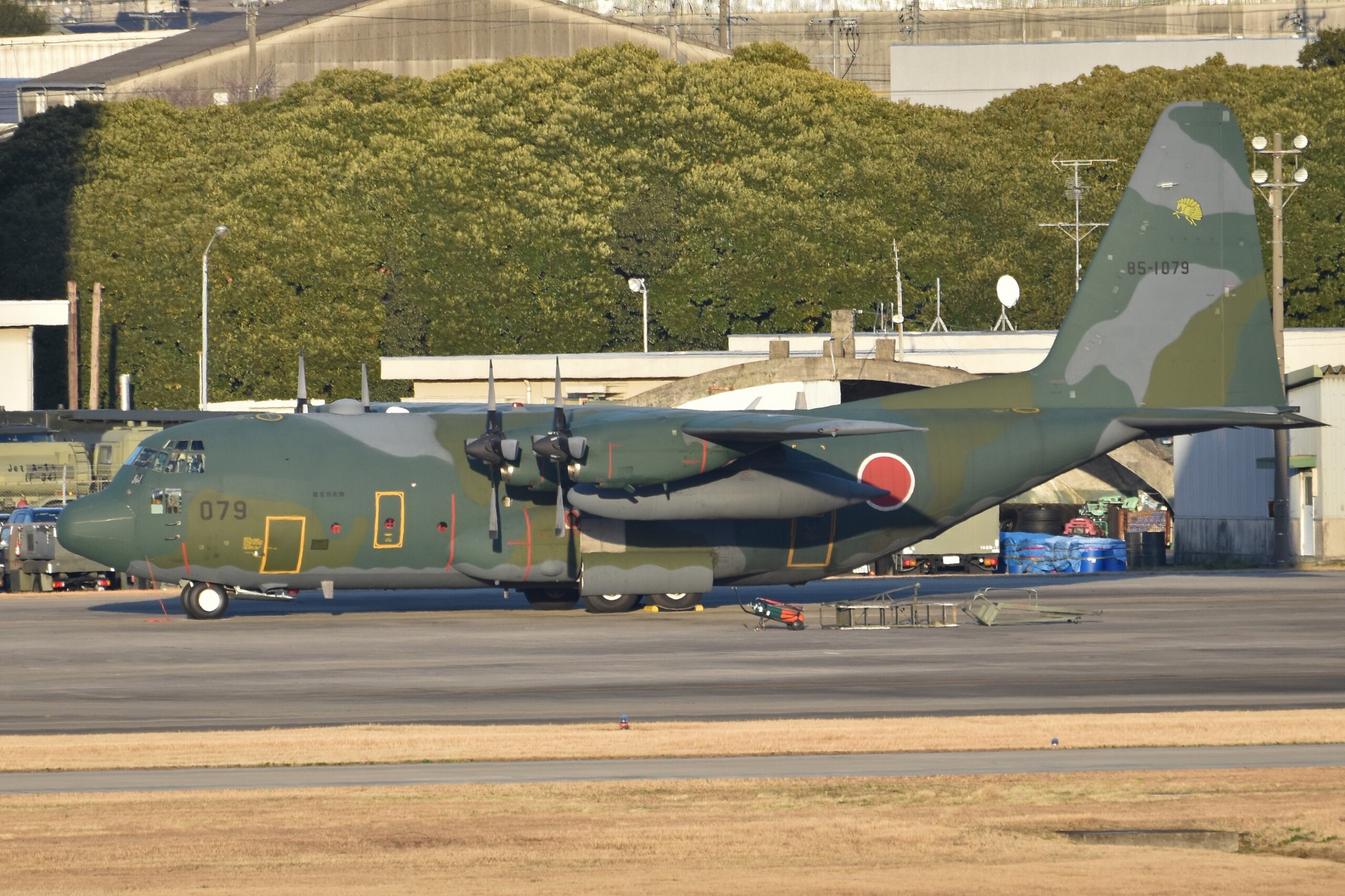
US Indicts Irish National Over Destruction of C-130H Hercules at Shannon
By Rania · 1 hour ago
US Transportation Watchdog Launches Audit of FAA Manufacturing Oversight
By Rania · 6 hours ago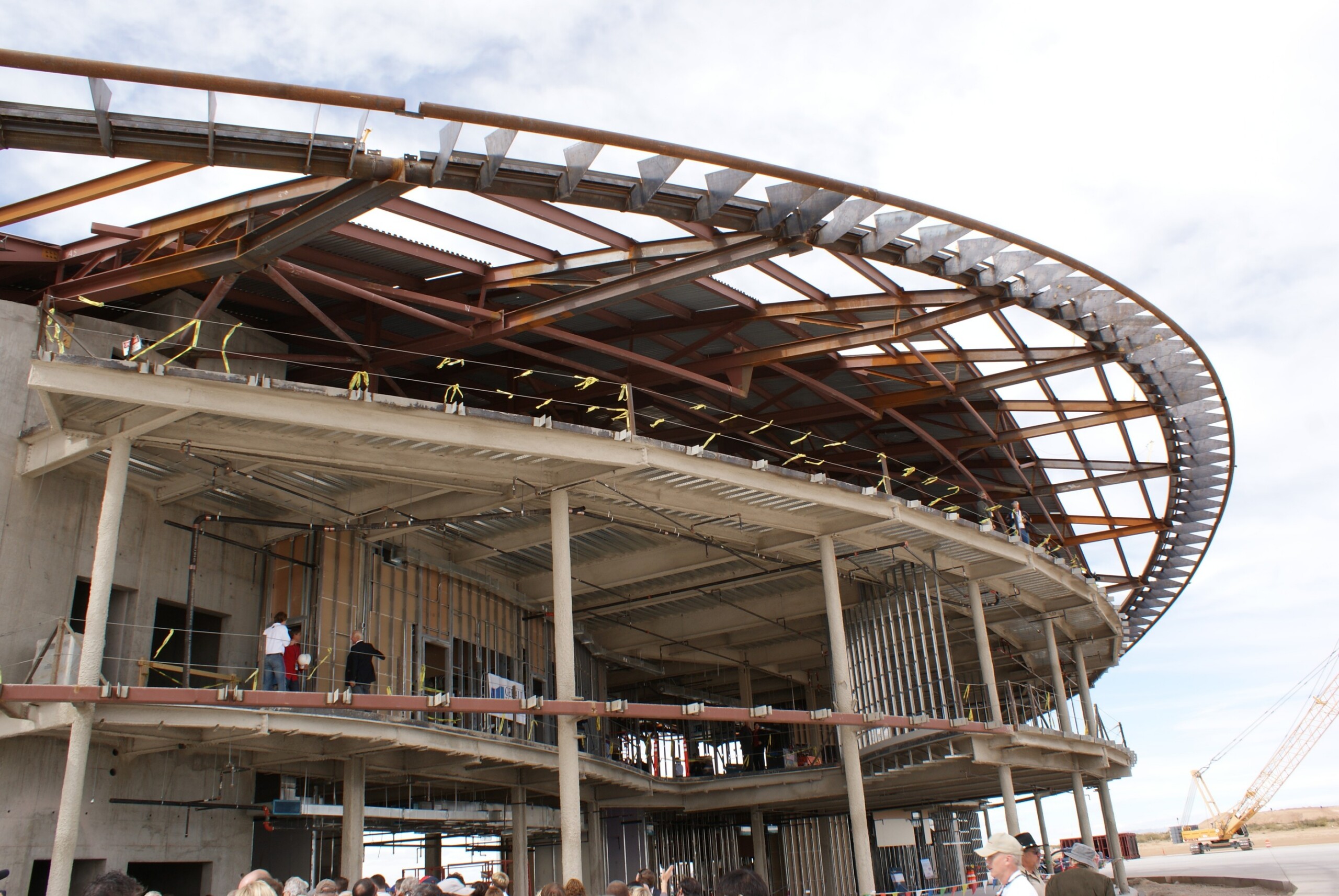
US Spaceports and Aerospace Firms Partner on 250-Mile Supersonic Test Corridor
By Rania · 10 hours ago