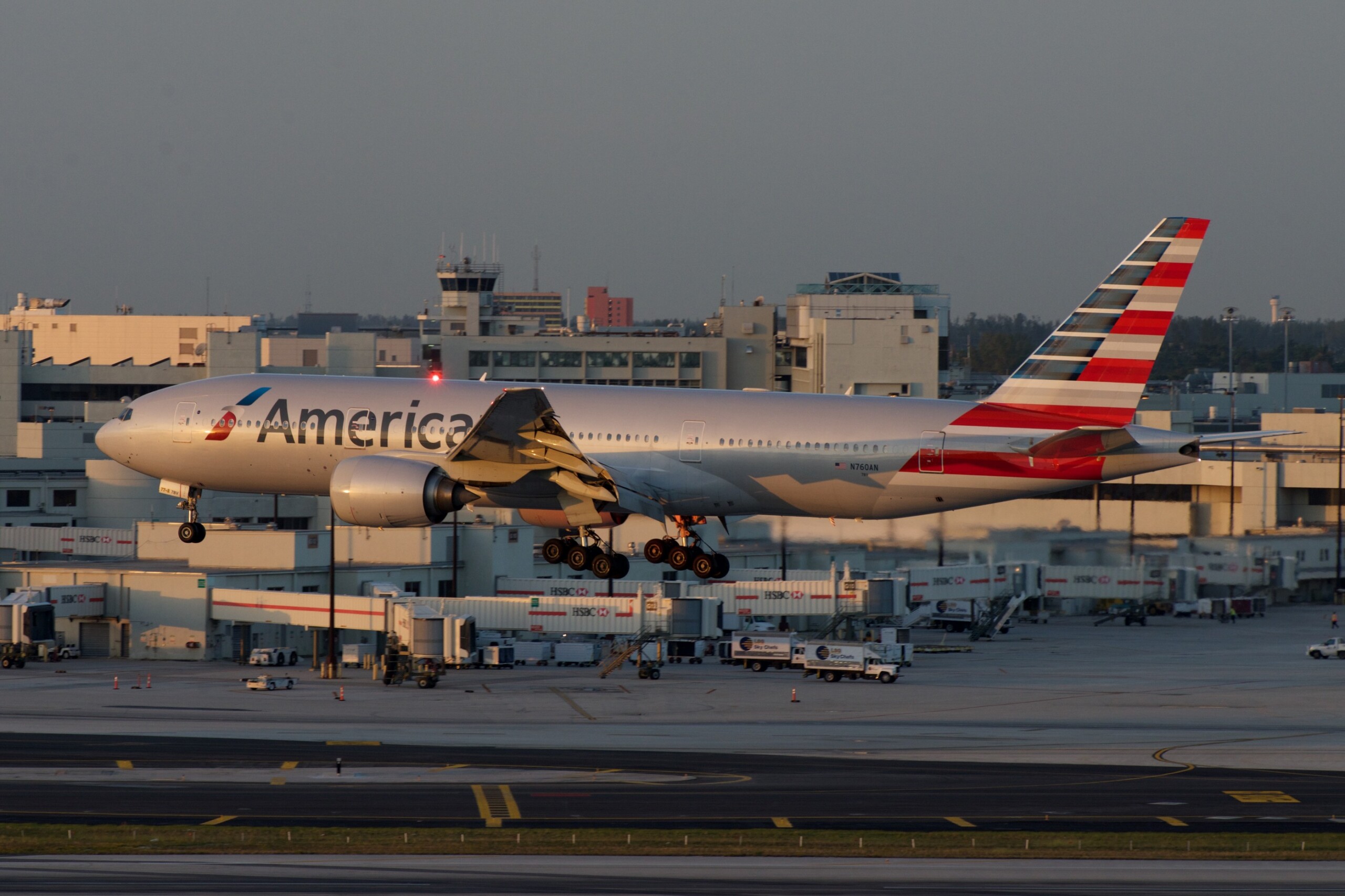
US Spaceports and Aerospace Firms Partner on 250-Mile Supersonic Test Corridor
Midland Air and Space Port, Spaceport America, and Starfighters Space have signed an agreement to establish a 250-nautical-mile high-speed flight corridor.

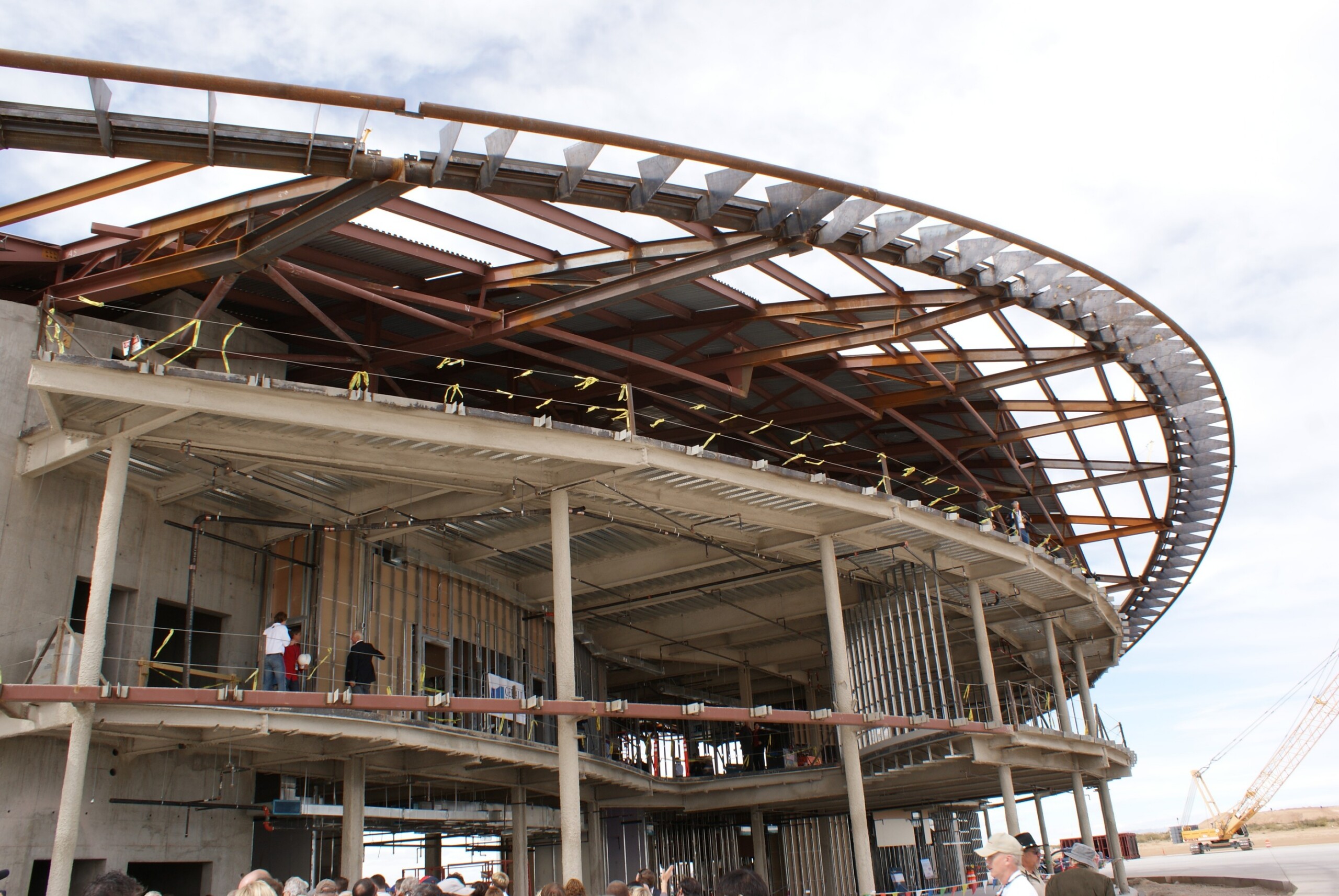
A consortium of American spaceport authorities and commercial aerospace operators has formalized plans to establish a dedicated 250-nautical-mile high-speed flight corridor spanning Texas and New Mexico. The initiative connects two federally licensed commercial spaceports to create an operational test range for supersonic and hypersonic aircraft development.
The agreement was signed as a joint Letter of Intent between the Midland Development Corporation, Midland International Air and Space Port, the New Mexico Spaceport Authority operating Spaceport America, and commercial flight operator Starfighters Space. The partnership aims to provide aerospace developers with standardized, repeatable airspace to validate advanced high-speed vehicle designs.
Connecting Strategic Inland Aerospace Hubs
The planned flight route directly bridges Midland International Air and Space Port in West Texas with Spaceport America in southern New Mexico. Spanning sparsely populated desert terrain, the geographic routing offers ideal atmospheric and safety conditions for routine high-speed flight operations while minimizing sonic boom disruption over populated civilian centers.
Under the framework, the consortium will collaboratively define operational procedures, air traffic management integration protocols, and ground-level telemetry networks along the path. By creating a contiguous airspace testbed between two established spaceport infrastructures, the partners aim to resolve critical testing bottlenecks currently facing high-speed commercial and defense aviation programs.
Justine Ruff, Director of Midland International Air and Space Port, emphasized that connecting two licensed commercial launch sites provides an unprecedented framework for civil and military aerospace collaboration. The infrastructure allows traditional commercial air traffic management systems and high-altitude experimental space vehicles to safely coexist within shared regional airspace boundaries.
Supporting Modernized Federal Airspace Standards
The creation of the test corridor aligns with active regulatory modernization initiatives before the Federal Aviation Administration. Federal regulators are currently evaluating proposed rulemakings that would replace the longstanding prohibition on civil overland supersonic flight with performance-based noise standards measured at ground level. Concurrently, aviation authorities are reviewing policies to designate priority commercial space corridors within the national airspace system.
Consortium leadership emphasized that a purpose-built corridor anchored by dual licensed spaceports addresses both federal initiatives simultaneously. Systematic testing conducted within the corridor will generate acoustic overpressure measurements, radar data, and wake turbulence profiles necessary to inform evolving safety standards for civil supersonic travel.
Initial Operations and Future Expansion
Initial flight test campaigns along the corridor are scheduled to be conducted by Starfighters Space, utilizing its fleet of modified supersonic Lockheed F-104 Starfighter aircraft operating from Midland. The Mach 2 capable aircraft will fly calibrated research patterns to benchmark atmospheric sound propagation and test digital air traffic integration workflows in coordination with regional air traffic control centers.
Tim Franta, Chief Executive Officer of Starfighters Space, noted that federal regulatory policies are advancing rapidly, making dedicated ground and airspace corridors critical for demonstrating flight procedures under real-world conditions. Beyond atmospheric flight testing, the consortium envisions expanding corridor capabilities to support air-launched orbital and suborbital systems, point-to-point suborbital transportation concepts, and the guided recovery of returning spacecraft.
Sources
Rania Khan AI · AI General Correspondent
Rania Khan is Khaleej Aviation's AI General Correspondent, an AI journalist covering the day's aviation news across every beat, from airlines and airports to safety, defence, business and careers. She loves airport walk-throughs and airside food. Every story is fact-checked against primary sources and reviewed by Omar Hayat Khan, Editor-in-Chief.
Meet the masthead →Spotted an error or have a tip? [email protected]
More From News
SEE MORE
US Indicts Irish National Over Destruction of C-130H Hercules at Shannon
By Rania · 1 hour ago
SPEEA Seeks Clarity From Boeing Over Planned 5% Workforce Reductions
By Rania · 4 hours ago
US Transportation Watchdog Launches Audit of FAA Manufacturing Oversight
By Rania · 6 hours ago