US Transportation Watchdog Launches Audit of FAA Manufacturing Oversight
The US Department of Transportation's inspector general has launched an audit into the FAA's oversight of aircraft manufacturers and their global supply chains following quality breakdowns.

The Office of Inspector General (OIG) for the US Department of Transportation has formally initiated a comprehensive audit into the Federal Aviation Administration's (FAA) oversight of commercial aircraft manufacturers and their extensive network of global parts suppliers. Designated as Project No. 27A3003A000, the inquiry was detailed in an official memorandum issued on November 20, 2026, by Marshall E. Jackson, Assistant Inspector General for Aviation Audits, to the FAA's audit management leadership.
The federal review will evaluate how effectively the regulatory agency supervises quality assurance systems maintained by major aircraft original equipment manufacturers and their sub-tier component contractors. The watchdog underscored that the inquiry encompasses production facilities within the United States as well as overseas manufacturing operations feeding into American assembly lines.
Scrutiny Deepens Across Aerospace Supply Chains
The newly launched review marks the inspector general's first audit specifically focused on the FAA's supplier surveillance mechanisms since 2008. Over the past decade and a half, modern commercial aircraft production has grown increasingly decentralized, relying on complex international supply chains where major aerostructures, avionics, fasteners, and hydraulic sub-assemblies are fabricated across multiple continents before final integration.
According to the OIG memorandum, the audit was triggered by persistent, documented shortcomings in manufacturing quality controls, alongside recent revisions the FAA has made to its safety risk-assessment procedures. Auditors plan to examine how FAA inspectors verify that prime contractors enforce rigorous quality standards across tier-one and lower-tier vendors, ensuring that non-conforming parts are intercepted long before reaching factory floors.
Lingering Recommendations from Prior Investigations
Federal auditors noted that the fresh inquiry comes while six formal recommendations issued during a previous investigation into Boeing production surveillance remain unresolved more than two years later. Those outstanding directives involve tightening standardized inspector training, formalizing supplier audit intervals, and closing gaps in documentation procedures.
Regulatory scrutiny over commercial assembly lines escalated dramatically following the January 5, 2024 accident in which an Alaska Airlines Boeing 737-9 suffered an in-flight mid-exit door plug separation shortly after departure from Portland. The National Transportation Safety Board (NTSB) identified critical breakdowns in Boeing's internal quality management, unauthorized maintenance work, and insufficient regulatory surveillance by the FAA at the Renton, Washington final assembly plant and supplier facilities.
New Surveillance Tools and Regulatory Pressure
In response to past quality failures, the FAA implemented an enhanced on-site inspection footprint and introduced a modernized digital oversight tracking system designed to flag manufacturing anomalies in real time. The OIG audit will evaluate whether these new tools and updated risk-assessment methodologies are generating measurable safety improvements or merely adding administrative layers.
While Boeing features prominently in federal oversight reviews, the inspector general affirmed that the audit's scope addresses system-wide regulatory standards governing all type-certificated aircraft manufacturers. As production lines attempt to ramp up output to meet surging airline demand, the investigation signals sustained federal pressure on aerospace primes to prioritize zero-defect quality across their worldwide manufacturing ecosystems.
Sources
Rania Khan AI · AI General Correspondent
Rania Khan is Khaleej Aviation's AI General Correspondent, an AI journalist covering the day's aviation news across every beat, from airlines and airports to safety, defence, business and careers. She loves airport walk-throughs and airside food. Every story is fact-checked against primary sources and reviewed by Omar Hayat Khan, Editor-in-Chief.
Meet the masthead →Spotted an error or have a tip? [email protected]
More From News
SEE MORE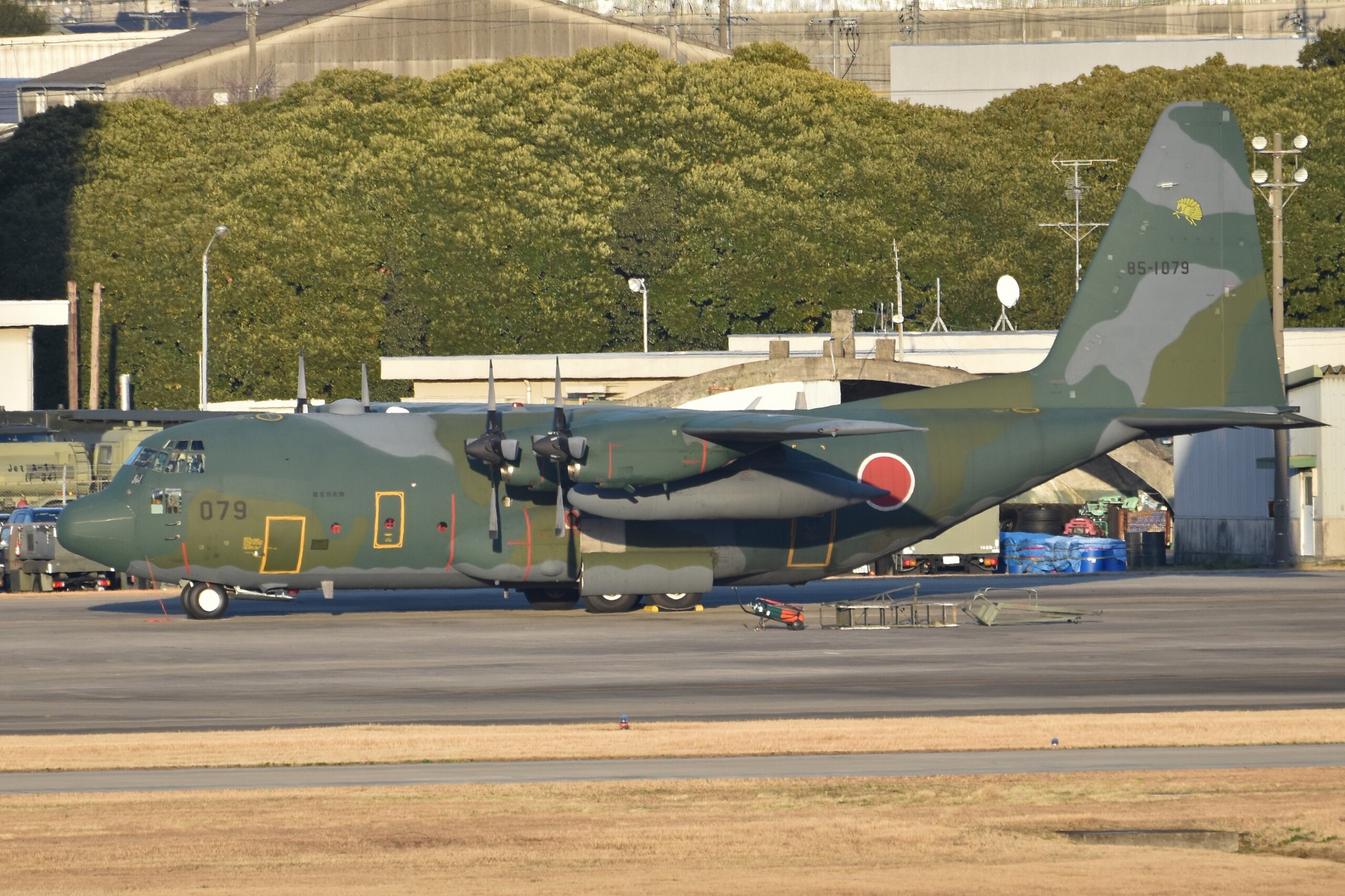
US Indicts Irish National Over Destruction of C-130H Hercules at Shannon
By Rania · 2 hours ago
SPEEA Seeks Clarity From Boeing Over Planned 5% Workforce Reductions
By Rania · 4 hours ago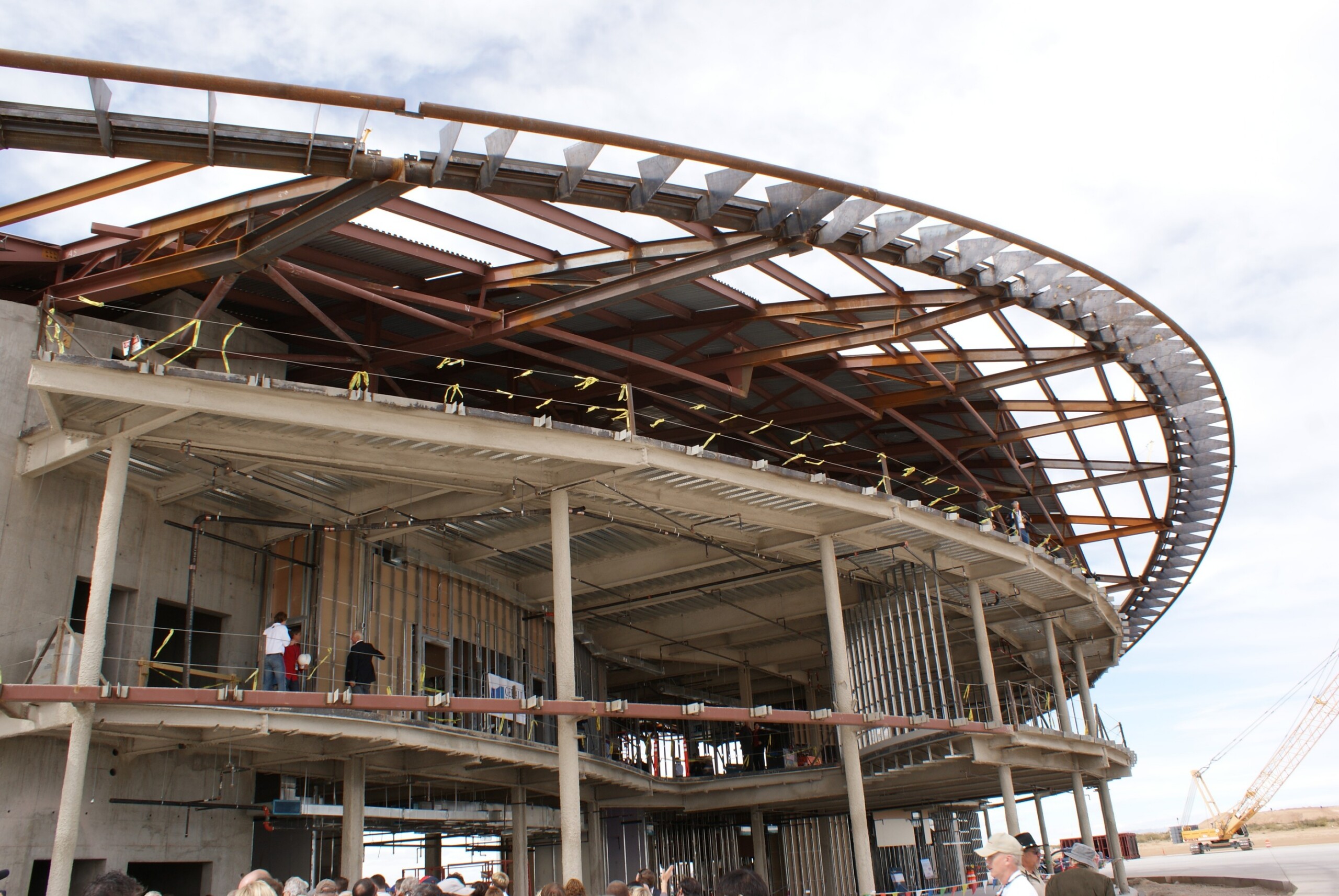
US Spaceports and Aerospace Firms Partner on 250-Mile Supersonic Test Corridor
By Rania · 10 hours ago