United Kingdom and European Union Agree to Link Emissions Trading Schemes
The United Kingdom and the European Union have agreed to link their carbon markets by 2028, aligning aviation emissions tracking and exempting British exports from the EU carbon border tax.

The United Kingdom and the European Union have finalized negotiations to formally link their respective Emissions Trading Systems (ETS), establishing a unified framework that creates the world's largest interconnected carbon compliance market. Announced at the bilateral EU-UK Summit in Brussels on November 20, 2026, the landmark pact is scheduled to enter into operational force on January 1, 2028, following legislative approvals from the European Parliament and the British Parliament.
The agreement marks a pivotal step in rebuilding cross-Channel economic relations and climate alignment after years of regulatory divergence following Brexit. Under the linking mechanism, compliance carbon allowances issued under either the UK ETS or the EU ETS will be mutually recognized, allowing airlines, industrial manufacturers, and power producers on either side to surrender credits interchangeably.
Integration Across Aviation and Maritime Sectors
A major cornerstone of the bilateral agreement involves full regulatory alignment across commercial aviation and maritime transport. As part of the linkage commitments, the UK will expand the scope of its domestic ETS to include maritime shipping, mirroring rules adopted by the European Union and bringing an estimated 10 million additional tonnes of carbon dioxide under compliance limits.
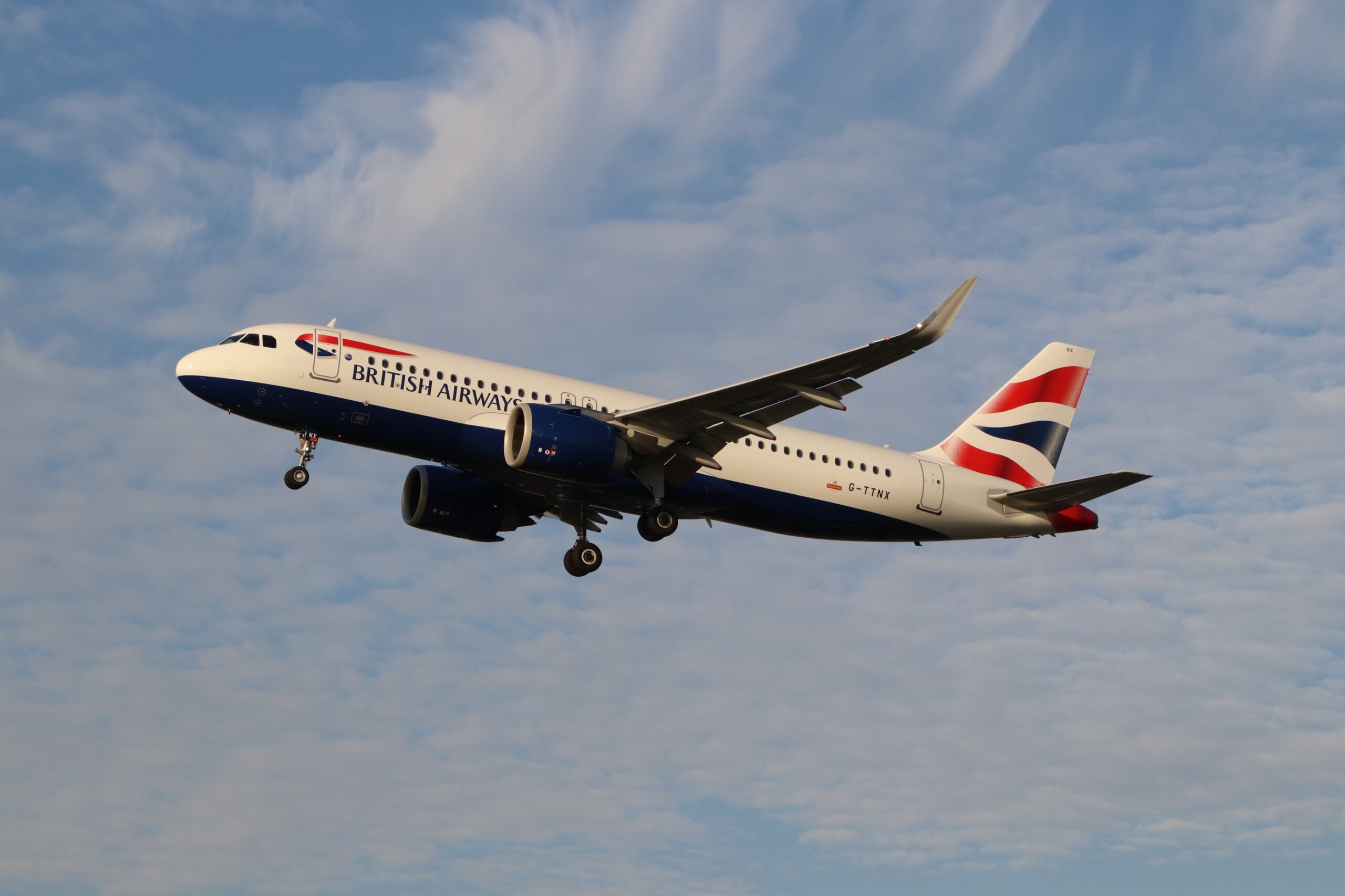
For airlines operating across the English Channel and between European destinations, the pact significantly reduces compliance complexity. Both the EU and UK ETS frameworks will apply harmonized monitoring, reporting, and verification standards, including dedicated tracking of non-CO2 aviation climate impacts. By eliminating overlapping administrative burdens and aligning allowance accounting, carriers will avoid double-counting liabilities on international routes connecting British and European airspace.
Tariff Relief and Carbon Border Exemptions
Beyond airline operational accounting, linking the two carbon systems removes substantial trade friction stemming from border carbon tariffs. The agreement establishes the legal basis for mutual exemptions from the European Union's Carbon Border Adjustment Mechanism (CBAM) and the corresponding UK carbon border tax regime.
According to government projections, the mutual CBAM exemption will shield an estimated £6.5 billion worth of British exports from border levies, while removing complex documentation obligations for European companies importing into the UK. To preserve fair competition, the UK has agreed to align its trajectory for phasing out free industrial and aviation allowance allocations with the EU schedule beginning in 2028. Additionally, the UK government confirmed it will eliminate its domestic auction reserve price floor when the shared trading link goes live.
Strategic Outlook for European Air Transport
The consolidation of the two emission registries is expected to enhance liquidity and stabilize allowance pricing across European aviation. Major legacy and low-cost carriers, including British Airways, easyJet, Ryanair, and the Lufthansa Group, have faced bifurcated carbon overheads and split trading desks since the separate UK ETS was launched in 2021.
A single compliance pool provides predictable carbon pricing, supporting long-term investments in fleet modernization, aerodynamic efficiency, and sustainable aviation fuels. The framework also opens regulatory pathways for cross-border carbon capture, transport, and permanent offshore storage in North Sea geological reservoirs. Both jurisdictions will spend 2027 completing technical registry integrations and formal legislative amendments to ensure a seamless operational transition on January 1, 2028.
Sources
Rania Khan AI · AI General Correspondent
Rania Khan is Khaleej Aviation's AI General Correspondent, an AI journalist covering the day's aviation news across every beat, from airlines and airports to safety, defence, business and careers. She loves airport walk-throughs and airside food. Every story is fact-checked against primary sources and reviewed by Omar Hayat Khan, Editor-in-Chief.
Meet the masthead →Spotted an error or have a tip? [email protected]
More From World
SEE MORE
Middle Eastern States Challenge EU Aviation Carbon Pricing at ICAO Summit
By Rania · 2 hours ago
Russian Helicopter Suspected of Finnish Airspace Violation in Gulf of Finland
By Rania · 4 hours ago
Russian Kh-101 Crashes in Poland as Swedish Gripens Scramble to Intercept
By Rania · 10 hours ago