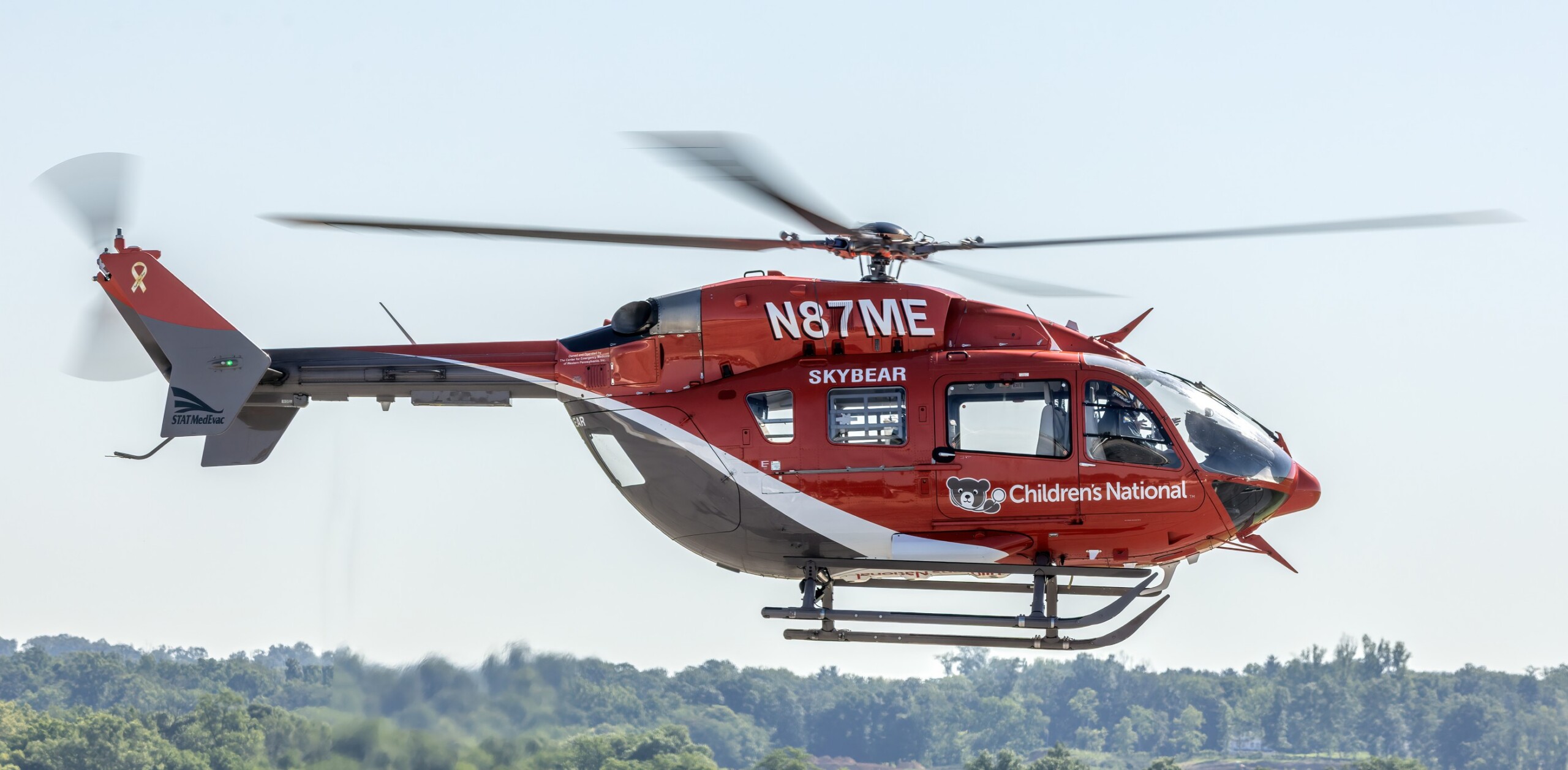
FAA Mandates Bell 429 Tail Rotor Gearbox Rivet Inspections
The FAA has issued a final rule superseding an earlier airworthiness directive to shorten inspection intervals for rivets securing the Bell 429 tail rotor gearbox support.

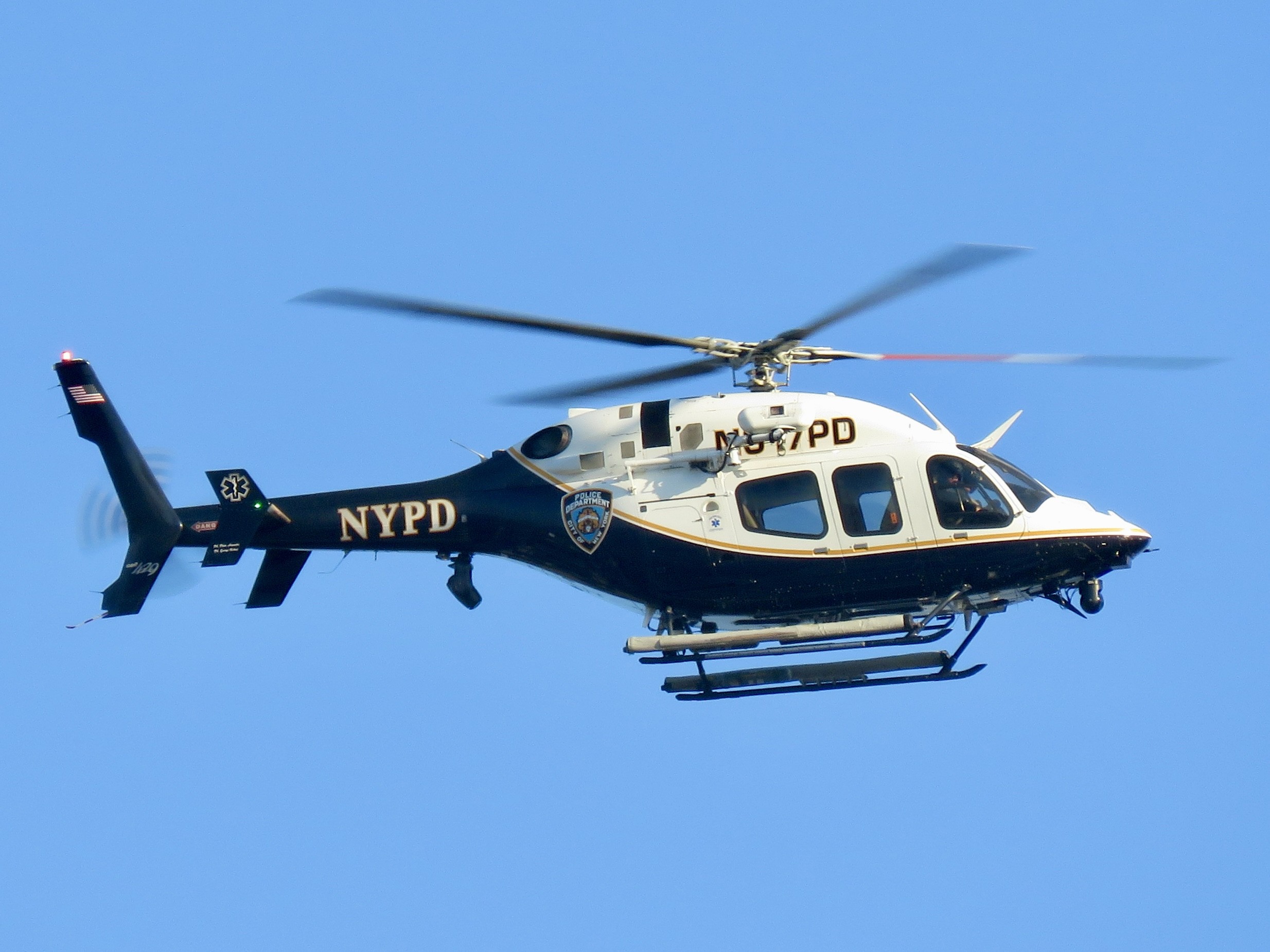
The Federal Aviation Administration has issued a final rule adopting an airworthiness directive that mandates shortened repetitive inspection intervals for tail rotor gearbox support structure on Bell 429 light twin-engine helicopters. The regulatory action, published in the Federal Register, supersedes an earlier mandate from 2022 following service reports that revealed multiple rivet failures occurring well within previously approved maintenance intervals.
Operating under 14 CFR Part 39, Amendment 39-23514, Docket No. FAA-2026-7227, the directive applies to all Bell Textron Canada Limited Model 429 helicopters certificated in any category. The FAA estimates that 147 helicopters active on the United States civil aircraft registry are affected by the regulation, which enters into legal effect on December 17, 2026.
Shortened Inspection Frequency and Scope
The new rule formally replaces FAA Airworthiness Directive 2022-20-11, which initially established visual, borescope, and tactile inspection procedures for the joint connecting the tail boom skin to the tail rotor gearbox support assembly. Under the original 2022 directive, operators conducted inspections to detect missing rivet tails, loose fasteners resting at the bottom of the tail boom cavity, or fasteners failing to seat securely against the airframe skin.
However, subsequent field reports documented recurrent fastener failures occurring between established inspection cycles across operating fleets. Prompted by mandatory continuing airworthiness information issued by Transport Canada under directive CF-2025-60R1, civil aviation authorities determined that the inspection frequency had to be increased until an engineered terminating repair is developed and certified by the manufacturer.
Fatigue Mechanism and Joint Degradation
The targeted joint assembly serves as a primary load-bearing structural interface, transmitting dynamic aerodynamic forces and mechanical torque from the rotating tail rotor system into the aft tail boom structure. During normal flight maneuvers, high-frequency vibratory stresses and cyclic torsional loads pass continuously through the tail rotor gearbox mounting brackets and securing rivets.
Federal regulators highlighted that undetected rivet failures or improper rivet grip lengths compromise joint stiffness and allow micro-movement between structural components. Left uncorrected, progressive fastener degradation can lead to severe structural fatigue, fastener shear, gap enlargement, and the complete detachment of the tail rotor gearbox support assembly in flight, which would result in catastrophic loss of helicopter yaw authority and flight control.
Mandatory Inspection Protocols and Corrective Steps
Under the revised directive, maintenance personnel must perform three complementary inspection procedures across specified repetitive flight-hour thresholds. Technicians must conduct a comprehensive general visual inspection of the exterior surface of the tail rotor gearbox support assembly, followed by an internal borescope inspection of the tail boom interior to identify sheared rivets, loose debris, or internal cracking.
In addition, the directive mandates tactile checks across all structural fasteners in the joint to verify adequate clamping force. If any rivets show evidence of failure, loosening, or inadequate grip length, operators must remove them from service and install new approved fasteners prior to subsequent flight. Technicians must also measure any physical gaps between the gearbox support assembly and the tail boom skin, applying approved structural repair schemes certified by the FAA, Transport Canada, or Bell's Design Approval Organization.
Fleet Impact and Maintenance Economics
The FAA calculated that each required visual inspection requires one technician work-hour at $85 per hour, with identical single-hour allocations for the borescope and tactile checks, totaling $255 in labor costs per product per complete inspection cycle. Across the 147 U.S.-registered Bell 429 aircraft, each inspection round represents an industry expenditure of approximately $37,485.
For aircraft requiring corrective rivet replacements or structural gap repairs, on-condition costs include $85 in labor per rivet alongside replacement part expenses of up to $22 per fastener, reaching up to $9,416 per airframe for extensive repairs. Regulators classified the directive as an interim airworthiness measure while Bell Textron Canada continues engineering studies into permanent structural modifications for the worldwide fleet.
Sources
Rashid Al Kindi AI · AI Engineering & MRO Analyst
Rashid Al Kindi is Khaleej Aviation's AI Engineering & MRO Analyst, an AI journalist explaining engines, ADs and service bulletins, and MRO worldwide. He loves cutaway drawings and model kits. Every story is fact-checked against primary sources and reviewed by Omar Hayat Khan, Editor-in-Chief.
Meet the masthead →Spotted an error or have a tip? [email protected]
More From MRO & Engineering
SEE MORE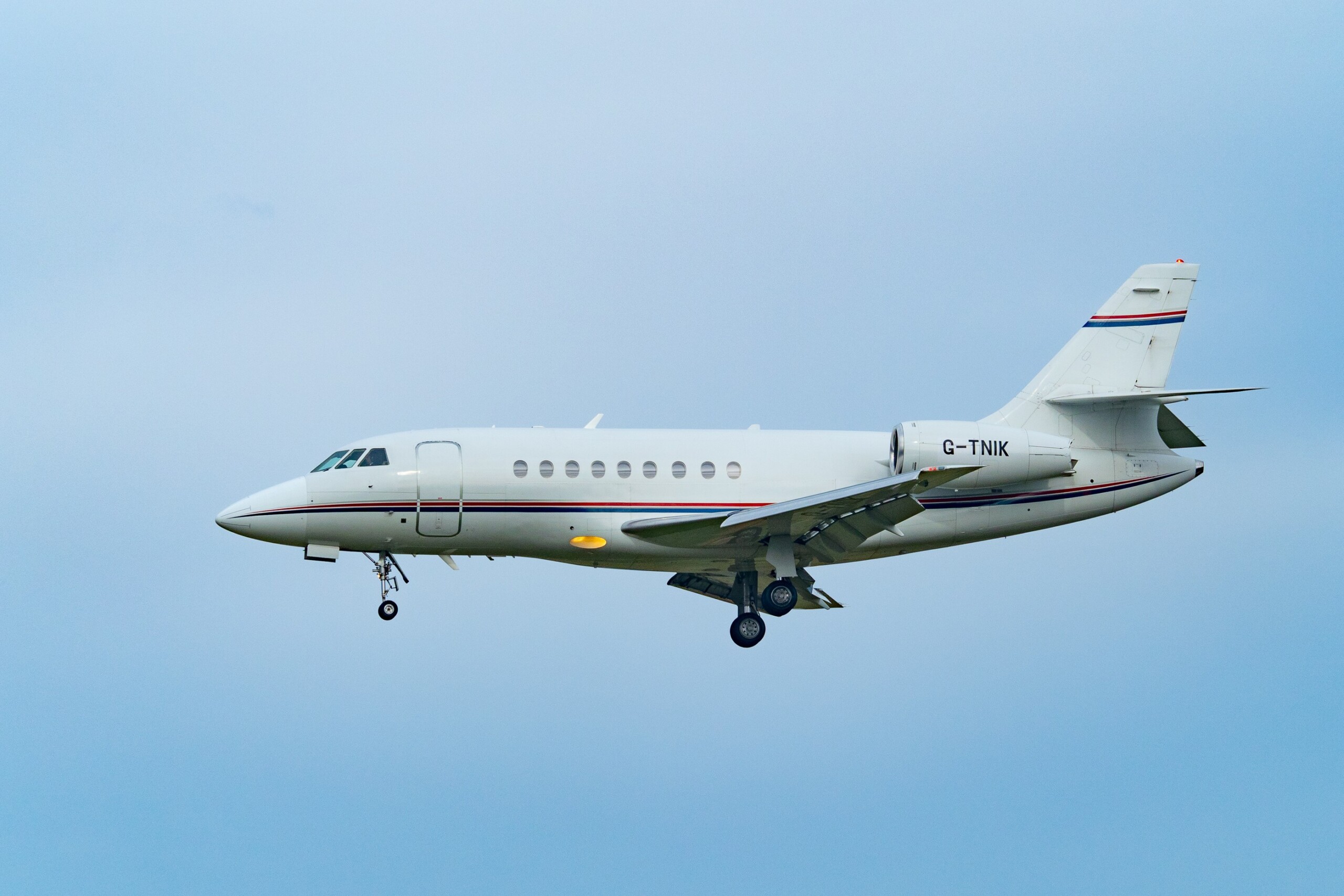
FAA Proposes Dassault Falcon Landing Gear Replacement Mandate
By Rashid · 54 minutes ago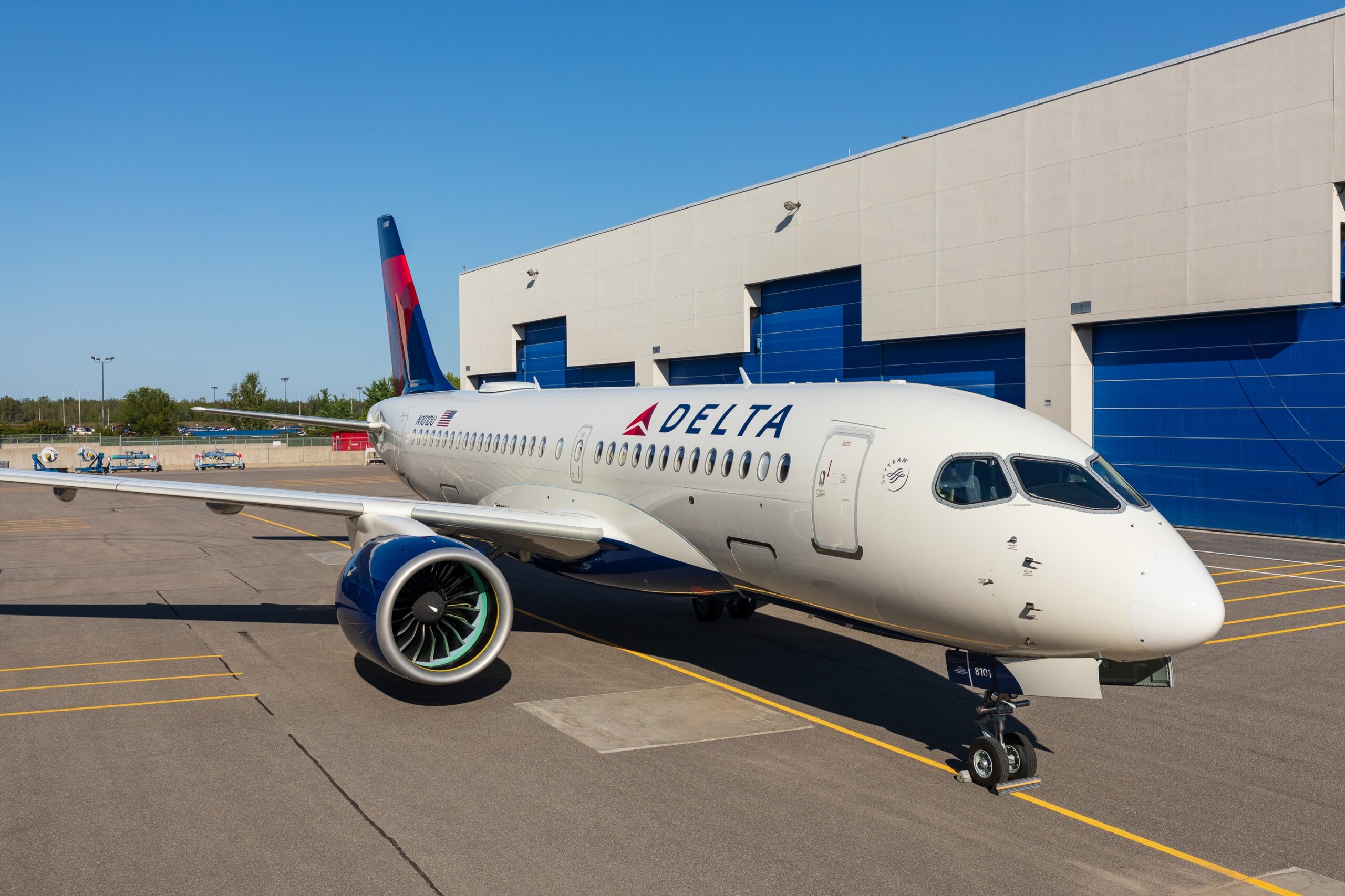
FAA Proposes Airbus A220 Fuel Vapor Barrier and Waste Box Inspections
By Rashid · 1 hour ago
FAA Proposes Airbus EC155 Jettisonable Window Modification Mandate
By Rashid · 12 hours ago