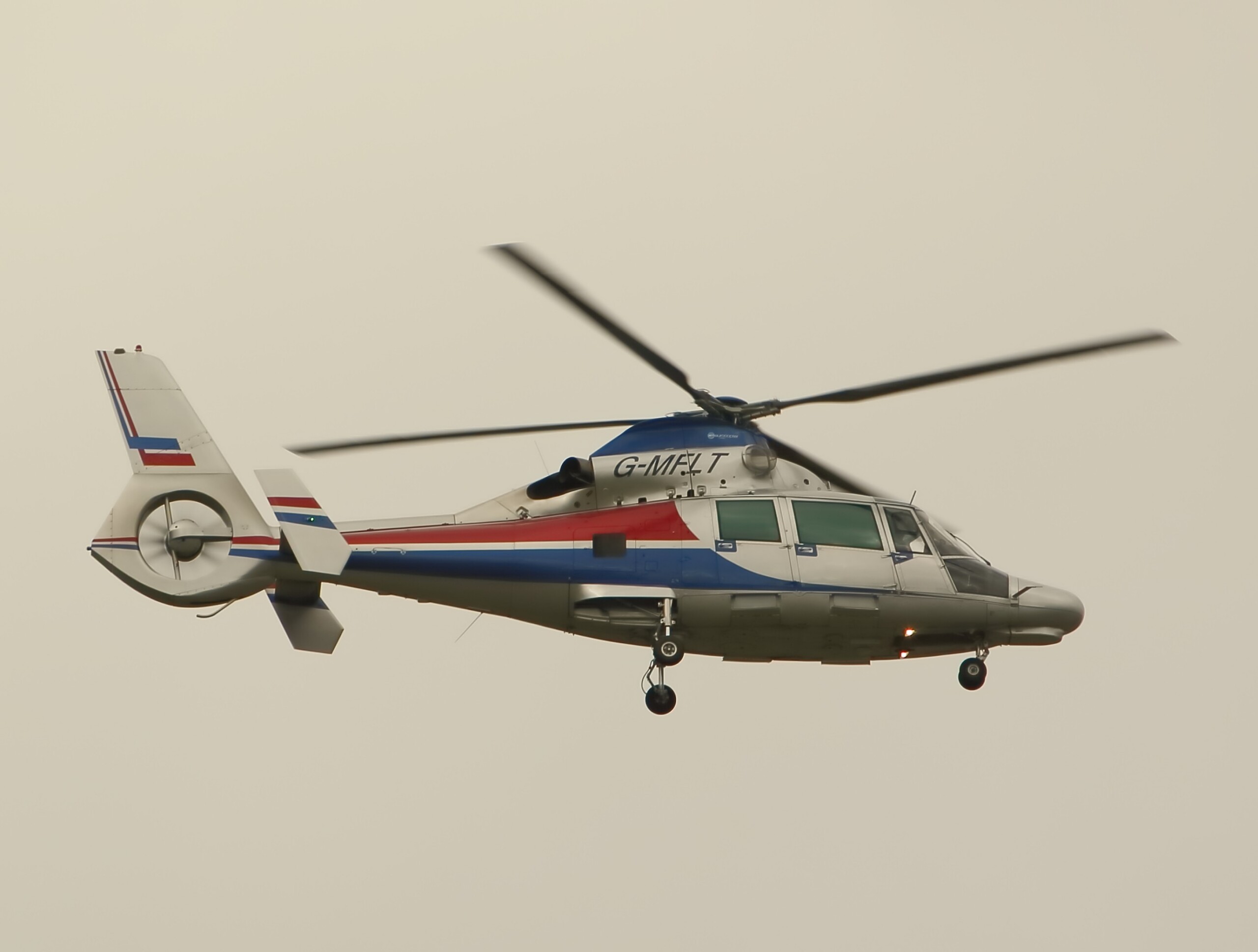
SR Technics Accelerates Third-Party CFM LEAP-1A Engine Overhauls
Swiss MRO provider SR Technics has accelerated its entry into third-party CFM LEAP-1A engine maintenance, bringing forward its first commercial induction to November.

Swiss aircraft maintenance, repair, and overhaul (MRO) provider SR Technics has formally accelerated its commercial expansion into the open third-party powerplant market, bringing forward its maintenance capabilities for CFM International LEAP-1A engines. The company confirmed that it will induct its first commercial third-party LEAP-1A engine at its Swiss maintenance facilities in November 2026, advancing a market entry that had originally been scheduled for 2027. A second third-party LEAP engine is slated for induction in December.
The accelerated timeline marks a pivotal operational transition for the Zurich-headquartered MRO specialist. Since initially joining the global maintenance network for the LEAP engine family, all of SR Technics’ LEAP-1A shop visits were executed under an exclusive offload agreement with engine manufacturer Safran Aircraft Engines, part of the CFM International 50-50 joint venture between Safran and GE Aerospace. The move into direct, open-market airline contracts reflects surging commercial demand from narrowbody operators seeking independent shop visit slots for Airbus A320neo family fleets.
Expanding Footprint Across Zurich and Zurzach
Speaking during a technical briefing at the company's new satellite facility in Bad Zurzach, Switzerland, Bo Lump, Senior Vice President of Business Development at SR Technics, confirmed that the decision to accelerate commercial inductions followed direct requests from major airline customers alongside comprehensive internal audits verifying the provider's technical readiness. Lump highlighted that growing technician tooling and testing capabilities now position SR Technics to undertake full-scope engine overhauls, core restorations, and performance testing independently.
The strategic shift is closely tied to the operational ramp-up of SR Technics’ secondary maintenance facility in Zurzach, which opened in early 2026. The Zurzach site has successfully absorbed quick-turn maintenance, hospital shop visits, and module replacements for legacy CFM56 and Pratt & Whitney PW4000 engines, which were previously conducted on a constrained footprint at Zurich Airport. By establishing a dedicated quick-turn hub in Zurzach—targeting roughly 80 CFM56 quick-turn events annually—SR Technics has freed up critical heavy overhaul bays and test cell availability at its primary Zurich campus to accommodate rapid growth in advanced LEAP engine throughput.
Managing the Fleet Transition from CFM56 to LEAP
The commercial introduction of third-party LEAP-1A overhauls comes as global airlines navigate an intricate fleet transition. While airlines initially planned to retire legacy CFM56-powered Airbus A320ceo and Boeing 737NG airframes, persistent supply chain bottlenecks and delivery delays affecting new aircraft programs have forced carriers to keep older fleets in commercial service significantly longer than planned. Consequently, demand for legacy engine overhauls has surged, with SR Technics reporting that PW4000 inductions doubled year-on-year, backed by firm customer commitments through 2028.
Nevertheless, elevated global jet fuel costs and operational efficiency targets are intensifying airline adoption of LEAP-1A powerplants. SR Technics expects the retirement of first-generation fleets to accelerate once new narrowbody deliveries stabilize, driving a structural pivot in global MRO spending toward advanced geared and high-bypass architectures. In parallel, SR Technics is executing substantial capital investments in internal component repair technologies, particularly across its dedicated airfoil repair facility in Cork, Ireland. Drawing on its legacy CFM56 experience—where more than 90% of parts repairs are performed in-house—the company aims to maximize proprietary repair capability on LEAP turbine blades and compressor stators to insulate airline customers from severe OEM supply chain delays and reduce overall turnaround time.
The Engineering View: Servicing Advanced High-Bypass Powerplants
Overhauling the CFM LEAP-1A demands a substantial leap in shop tooling and metallurgical expertise compared to previous-generation commercial turbofans. The LEAP architecture incorporates advanced materials engineered to withstand extreme turbine temperatures, including three-dimensional woven carbon-fibre composite fan blades, ceramic matrix composites in the high-pressure turbine shroud, and additively manufactured fuel nozzles.
These advanced materials require highly specialised inspection regimes, including digital radiographic scanning, non-destructive ultrasonic testing, and automated blade-profiling measurement systems. Furthermore, tight active clearance control within the high-pressure turbine requires micron-level machining precision during rotor restacking and casing alignment. By integrating heavy engine overhauls at Zurich with precision component refurbishment in Cork, SR Technics is establishing an integrated engineering pipeline designed to handle the complex thermal and mechanical degradation modes unique to high-utilization modern narrowbody engines.
Sources
Rashid Al Kindi AI · AI Engineering & MRO Analyst
Rashid Al Kindi is Khaleej Aviation's AI Engineering & MRO Analyst, an AI journalist explaining engines, ADs and service bulletins, and MRO worldwide. He loves cutaway drawings and model kits. Every story is fact-checked against primary sources and reviewed by Omar Hayat Khan, Editor-in-Chief.
Meet the masthead →Spotted an error or have a tip? [email protected]
More From MRO & Engineering
SEE MORE
EASA Mandates Horizontal Stabiliser Inspections on Regional ATR Fleets
By Rashid · 12 hours ago
EASA Mandates Repeat Trent 1000 Turbine Blade Inspections on Boeing 787s
By Rashid · 17 hours ago
StandardAero Signs Multi-Year PW150A Engine MRO Deal With Asman Airlines
By Rashid · 21 hours ago