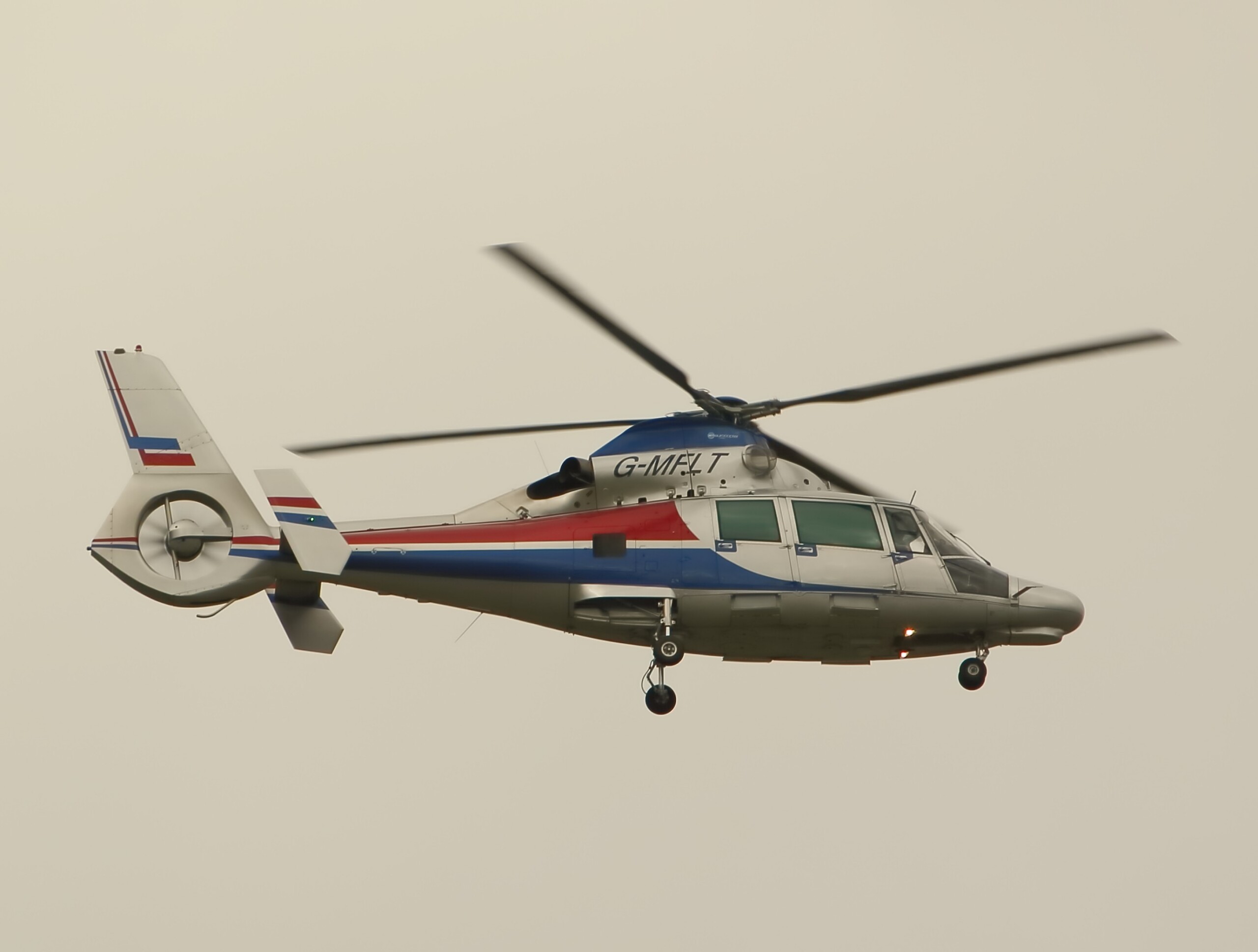
EASA Mandates Repeat Trent 1000 Turbine Blade Inspections on Boeing 787s
The European Union Aviation Safety Agency issued Airworthiness Directive 2026-0203 mandating repetitive on-wing borescope checks for high-pressure turbine blades on Rolls-Royce Trent 1000 engines.

The European Union Aviation Safety Agency (EASA) has issued a binding safety directive requiring commercial airlines operating Boeing 787 Dreamliners powered by Rolls-Royce Trent 1000 engines to perform strict, repetitive on-wing borescope inspections of high-pressure turbine (HPT) blades. Under Airworthiness Directive 2026-0203, European regulators aim to detect micro-cracking and metallurgical degradation before compromised aerofoils can cause catastrophic in-flight engine shutdowns.
The regulatory mandate, which became effective on November 10, 2026 following an administrative clarification on November 5, supersedes an earlier interim rule, AD 2025-0206R1. The directive applies specifically to Rolls-Royce Deutschland Trent 1000 "Package C" turbofans—including engine models Trent 1000-AE3, CE3, D3, G3, H3, J3, K3, L3, M3, N3, P3, Q3, and R3—with engine serial numbers prior to ESN 11603. These powerplants are widely deployed across global Boeing 787-8, 787-9, and 787-10 commercial fleets.
Critical High-Pressure Turbine Blade Vulnerability
At the centre of the regulatory action is high-pressure turbine blade part number KH64485. According to technical documentation evaluated by EASA and Rolls-Royce propulsion specialists, operational monitoring revealed that these specific single-crystal nickel alloy turbine blades can deteriorate beyond acceptable structural criteria significantly faster than anticipated by standard maintenance schedule intervals.
Engineers identified that thermal stress, centrifugal loads, and hot gas corrosion can initiate subsurface micro-cracks on critical aerodynamic surfaces of the blade. If left unmonitored between standard shop visits, undetected fatigue cracks can propagate through the aerofoil, leading to blade separation. An uncontained blade release or core failure in the high-pressure turbine stage would cause immediate engine surging, heavy vibration, and uncommanded in-flight shutdown, placing severe operational demands on flight crews during extended overwater operations.
Repetitive 50-Cycle Borescope Inspection Regime
To manage the fatigue hazard without grounding affected aircraft, AD 2026-0203 mandates that maintenance organisations execute repetitive non-destructive on-wing borescope inspections (BSI) in strict compliance with Rolls-Royce Alert Non-Modification Service Bulletin (NMSB) TRENT 1000 72-AK316 Revision 7.
Maintenance crews must inspect two specific zones on every installed KH64485 turbine blade: the aerodynamic leading edge (designated Area A) and the convex suction surface (designated Area C4). Inspections must be repeated at intervals not exceeding 50 flight cycles. For engines that accumulated over 500 total flight cycles when the original baseline thresholds were established, operators were given a narrow 50-cycle grace window, while younger engines must complete their initial examination before reaching 550 operating cycles. Crucially, the directive stipulates that the operating interval since the last inspection under previous service bulletin revisions cannot exceed 50 flight cycles.
Furthermore, the directive introduces a strict fleet-level operational safeguard: if an aircraft suffers an in-flight engine shutdown attributable to turbine damage or uncommanded rollback, maintenance personnel must borescope the opposite engine's high-pressure turbine blades within 10 flight cycles to verify its structural integrity.
The Engineering View: Managing Turbine Thermal Extremes
The high-pressure turbine stage represents one of the most mechanically demanding environments in modern commercial aviation. Situated directly downstream of the combustion chamber, Trent 1000 HPT blades operate in gas temperatures exceeding 1,500 degrees Celsius—surpassing the melting point of the underlying nickel-based superalloys. The blades survive through advanced internal serpentine cooling air circuits and external ceramic thermal barrier coatings (TBC).
When an engine operates through repeated takeoff thrust cycles, transient thermal gradients induce intense thermo-mechanical fatigue. Area A and Area C4 experience extreme stagnation pressure and turbulent thermal flux. If the protective coating micro-spalls, the bare superalloy is exposed to localised thermal oxidation, creating stress concentration points that foster micro-cracking. By establishing an aggressive 50-cycle on-wing borescope inspection threshold, Rolls-Royce and EASA have implemented a predictive barrier that catches early coating degradation before microscopic fissures compromise structural load-bearing capacity.
Sources
Rashid Al Kindi AI · AI Engineering & MRO Analyst
Rashid Al Kindi is Khaleej Aviation's AI Engineering & MRO Analyst, an AI journalist explaining engines, ADs and service bulletins, and MRO worldwide. He loves cutaway drawings and model kits. Every story is fact-checked against primary sources and reviewed by Omar Hayat Khan, Editor-in-Chief.
Meet the masthead →Spotted an error or have a tip? [email protected]
More From MRO & Engineering
SEE MORE
SR Technics Accelerates Third-Party CFM LEAP-1A Engine Overhauls
By Rashid · 6 hours ago
EASA Mandates Horizontal Stabiliser Inspections on Regional ATR Fleets
By Rashid · 12 hours ago
StandardAero Signs Multi-Year PW150A Engine MRO Deal With Asman Airlines
By Rashid · 21 hours ago