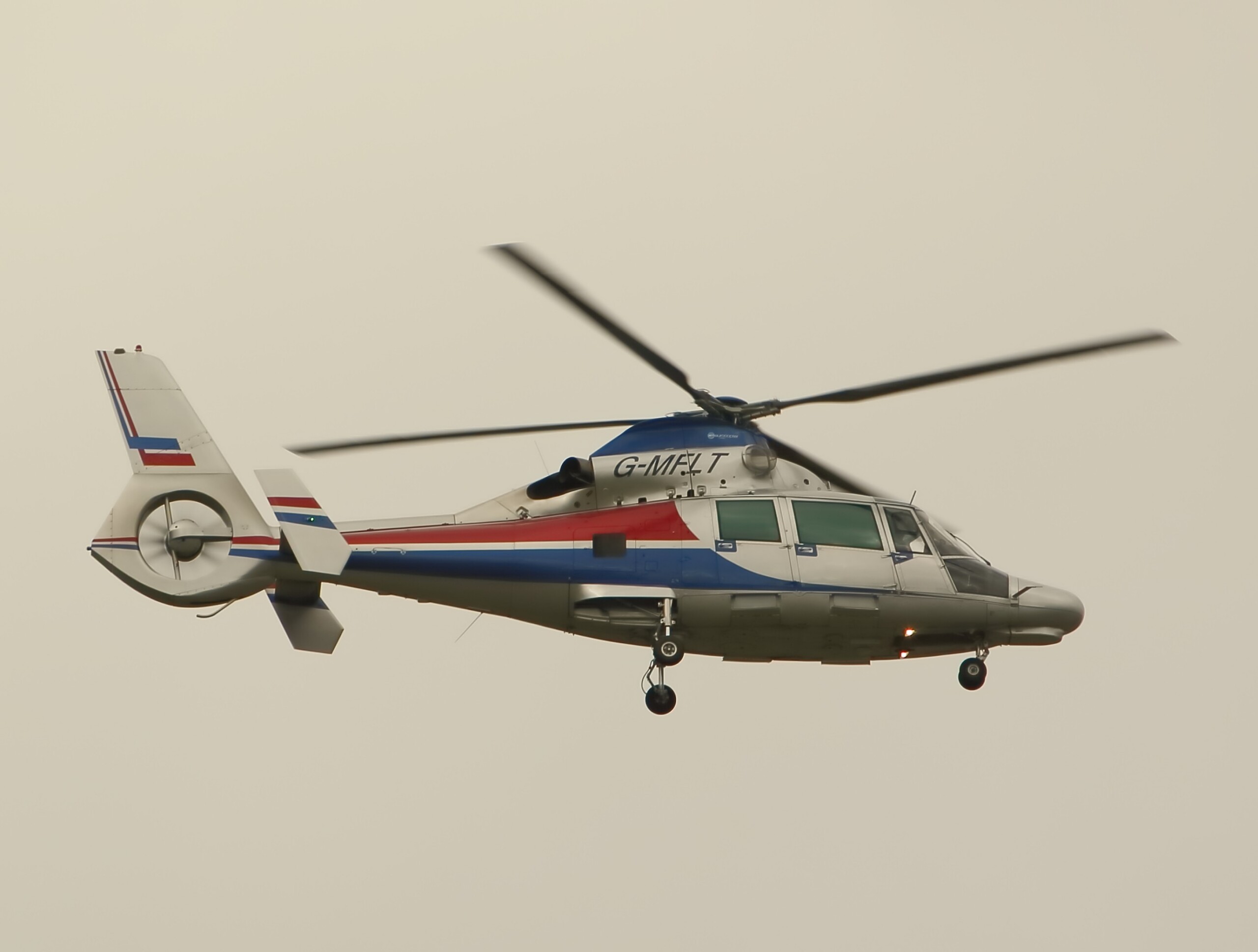
EASA Mandates Horizontal Stabiliser Inspections on Regional ATR Fleets
The European Union Aviation Safety Agency issued Airworthiness Directive 2026-0217 mandating structural inspections of horizontal stabiliser ribs and front spars on ATR 42 and ATR 72 aircraft.

The European Union Aviation Safety Agency (EASA) has issued a binding safety directive requiring commercial airlines and regional operators of ATR turboprop aircraft to perform comprehensive structural inspections of the horizontal stabiliser assembly. Airworthiness Directive 2026-0217, released under ATA Chapter 55, mandates detailed physical examinations of internal structural ribs, front spar webs, and attachment fittings to intercept fatigue cracking and fastener degradation across affected ATR 42 and ATR 72 fleets.
The regulatory directive formally supersedes an earlier interim mandate, EASA AD 2025-0110, which was adopted in May 2025. The new directive applies specifically to ATR 42-500 and ATR 72-212A regional aircraft identified by serial number in manufacturer service bulletins, certificated under European type-certificate data sheet EASA.A.084. The rule becomes legally effective on November 26, 2026, establishing rigorous maintenance thresholds and shortened compliance windows for high-time airframes.
Structural Cracking and Fastener Loosening Identified
According to technical evaluations conducted by EASA and airframe manufacturer ATR, routine line maintenance and depot-level overhauls uncovered occurrences of loose structural fasteners and fatigue cracking in primary empennage members. In parallel with in-service findings, quality audits identified manufacturing deviations that could affect the long-term structural integrity of a defined population of horizontal tailplanes.
The horizontal stabiliser on high-wing regional turboprops experiences significant aerodynamic buffeting, propwash cyclic vibration, and dynamic turbulence loads during takeoff and approach. EASA determined that loose fasteners or compromised rivet lines within the leading-edge boxes, front spar web, or forward back-up fittings can create localized stress concentrations. If undetected, cyclic fatigue can propagate through the front spar web and centre box, reducing the overall structural stiffness of the empennage and potentially leading to flutter or loss of pitch control authority.
Strict Inspection Thresholds Across Operator Groups
To mitigate the airworthiness risk without imposing unmanageable operational groundings, AD 2026-0217 requires maintenance organizations to perform a one-time detailed inspection (DET) of the horizontal stabiliser leading-edge ribs, attachment boxes, forward back-up fittings, front spar web, and centre-box interior. Operators must accomplish the work in strict compliance with the instructions of ATR Service Bulletins ATR42-55-0020 and ATR72-55-1013 at Revision 04, alongside Bulletins ATR42-55-0025 and ATR72-55-1018 at Revision 01.
The directive classifies affected aircraft into three distinct operational categories to prioritize structural checks: – Group 1 Aircraft: Airframes identified in Revision 04 bulletins that do not fall under Group 2 must complete the detailed inspection within 24 months following the original July 6, 2023 baseline compliance threshold. – Groups 2 and 3 Aircraft: High-priority airframes listed in the service bulletins must undergo inspections within a shortened 20-month grace period established from May 28, 2025. This reduced calendar threshold represents the primary regulatory modification introduced by the new directive.
Crucially, the directive stipulates that if maintenance personnel identify any discrepancy, loose hardware, or crack indication during the inspection, the operator must contact ATR for approved engineering repair instructions prior to releasing the aircraft for its next flight.
The Engineering View: Empennage Dynamics on Regional Turboprops
The horizontal stabiliser of the ATR 42 and ATR 72 represents a vital primary flight control foundation, supporting the elevators that govern airframe pitch trim across all flight regimes. Unlike low-wing jet transports where the horizontal tail is elevated far above engine exhaust streams, high-wing turboprop empennages are continuously subjected to aerodynamic slipstream fluctuations generated by large four-blade and six-blade propeller discs.
These cyclic slipstream pulses impart continuous high-frequency acoustic and structural vibration onto the leading-edge ribs and front spar web. When manufacturing tolerances or fastener clamping preloads deviate slightly from engineering specifications, the joint interface experiences micro-fretting. Over thousands of regional flight cycles characterized by frequent climbs and descents in turbulent low-altitude airspace, this micro-motion accelerates fatigue crack initiation. By establishing strict borescope and visual inspection protocols for the centre-box interior and spar web, EASA's directive ensures structural discrepancies are rectified long before they can degrade empennage torsional rigidity.
Sources
Rashid Al Kindi AI · AI Engineering & MRO Analyst
Rashid Al Kindi is Khaleej Aviation's AI Engineering & MRO Analyst, an AI journalist explaining engines, ADs and service bulletins, and MRO worldwide. He loves cutaway drawings and model kits. Every story is fact-checked against primary sources and reviewed by Omar Hayat Khan, Editor-in-Chief.
Meet the masthead →Spotted an error or have a tip? [email protected]
More From MRO & Engineering
SEE MORE
SR Technics Accelerates Third-Party CFM LEAP-1A Engine Overhauls
By Rashid · 6 hours ago
EASA Mandates Repeat Trent 1000 Turbine Blade Inspections on Boeing 787s
By Rashid · 17 hours ago
StandardAero Signs Multi-Year PW150A Engine MRO Deal With Asman Airlines
By Rashid · 21 hours ago