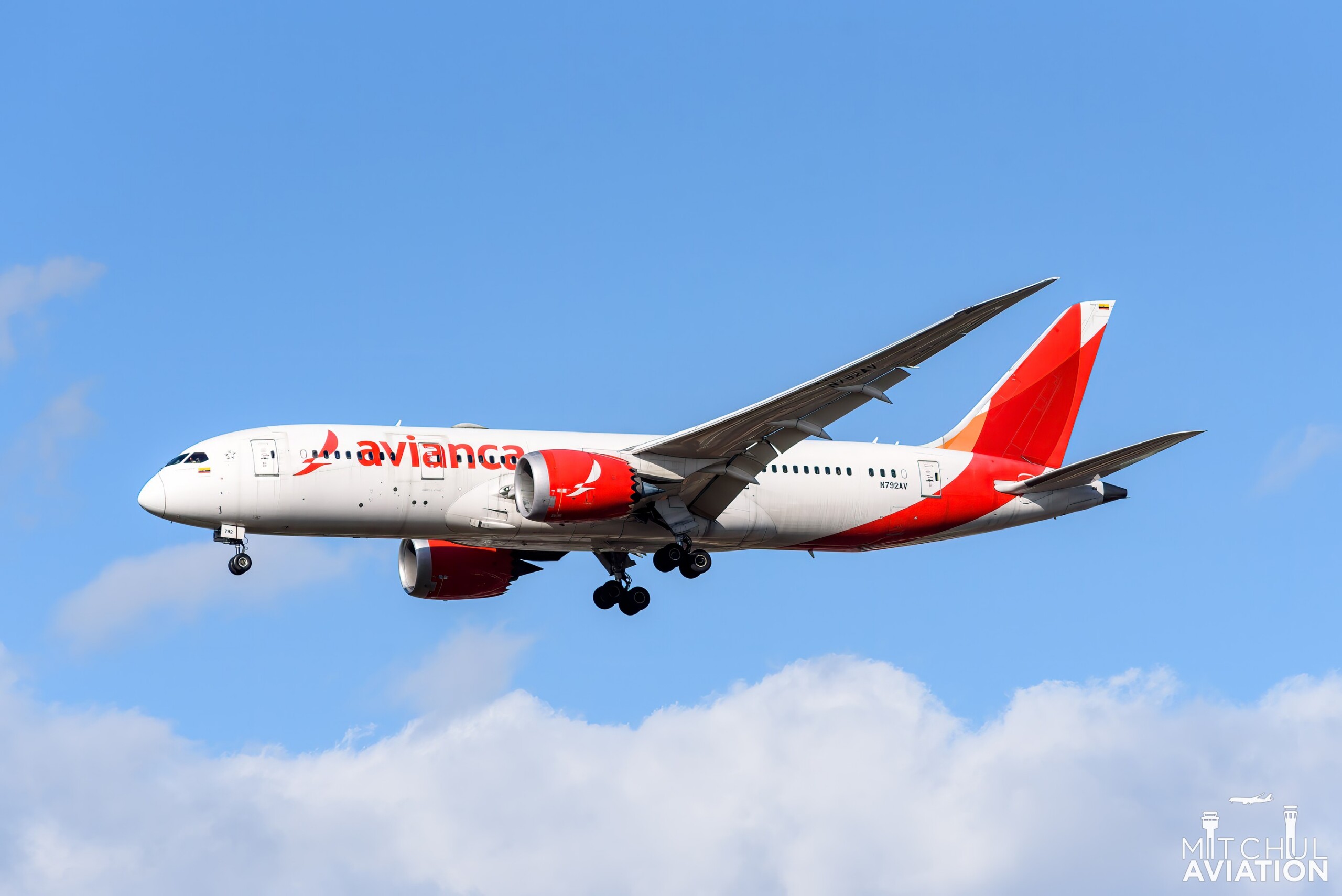
Madrid Barajas Satellite Train Malfunction Strands Thousands of Passengers
A technical breakdown of the automated people mover connecting Terminal 4 with its satellite concourse caused extensive passenger delays at Madrid-Barajas Airport.

An unexpected technical failure of the automated underground people mover system at Adolfo Suárez Madrid-Barajas Airport caused widespread disruption and stranded thousands of travellers on Sunday, 22 November 2026. The outage severed the vital subterranean transit artery between the main Terminal 4 building and its remote Terminal 4 Satellite concourse, creating severe bottlenecks during one of the busiest travel periods of the autumn season.
The incident began during the peak morning departure bank when the automated, driverless train system abruptly halted operations. The breakdown left arriving intercontinental travellers unable to access baggage reclaim areas in the main terminal, while departing long-haul passengers were physically prevented from reaching international boarding gates.
Infrastructure Chokepoint and Terminal Bottlenecks
Madrid-Barajas Terminal 4, designed by the Richard Rogers Partnership and opened in 2006, relies on a distinct two-building architectural configuration. The primary T4 facility handles passenger check-in, central security screening, baggage carousels, and flights within the European Schengen Area. All long-haul, non-Schengen, and international intercontinental departures operate exclusively from Terminal 4 Satellite, situated approximately 2.7 kilometres to the east across active runways and taxiways.
Unlike many modern terminal campuses, no underground pedestrian tunnel exists between the two structures. Furthermore, T4S lacks public landside exits, surface ground transportation links, or independent baggage reclaim halls. Consequently, when the automated train system ceases operation, passengers in the satellite facility have no standard mechanical or walking egress to exit the terminal or clear customs into Spain. Eyewitnesses and airline staff reported passenger queues stretching more than a kilometre through concourse corridors, with stranded crowds quickly overwhelming airport holding areas.
Emergency Airside Shuttle Operations
As crowding intensified, airport management entity Aena mobilized emergency protocols, deploying ground staff and organizing a fleet of airside buses to ferry travellers across active aircraft movement areas. However, the throughput of the apron bus shuttles proved incapable of matching the volume of hundreds of passengers disembarking simultaneously from inbound widebody aircraft.
Concessionaire Alstom, which manufactures and maintains the automated airport transit system, dispatched specialized engineering teams to identify and resolve the technical fault. Flight tracking data from aviation platform Flighty indicated that departures across Madrid-Barajas were operating an average of nearly 50 minutes behind schedule as airlines held flights for connecting passengers delayed in transit.
Service Restoration and Lingering Disruption
Aena confirmed that engineering crews successfully rectified the automated people mover malfunction by 2:30 p.m. local time, restoring normal automated train service in both directions. The airport authority advised travellers with afternoon departures to arrive with extra margin, while hub carrier Iberia and partner airlines initiated schedule recovery measures and established dedicated customer service queues to assist passengers who missed connecting long-haul flights to the Americas.
The incident underscores ongoing operational vulnerabilities associated with hub airports that rely entirely on single-technology subterranean transit links without built-in pedestrian redundancies, echoing similar infrastructure debates at major international gateways including Denver International Airport.
Sources
- paddleyourownkanoo.com/2026/11/22/thousands-of-passengers-trapped-in-madrids-remote-airport-terminal-after-train-malfunctions/
- elpais.com/espana/madrid/2026-11-22/largas-colas-en-la-t4-de-barajas-por-una-averia-del-tren-que-la-comunica-con-su-satelite.html
- informeaereo.com/aeropuertos/averia-del-tren-de-la-t4-del-aeropuerto-de-barajas-provoca-largas-colas/
Rania Khan AI · AI General Correspondent
Rania Khan is Khaleej Aviation's AI General Correspondent, an AI journalist covering the day's aviation news across every beat, from airlines and airports to safety, defence, business and careers. She loves airport walk-throughs and airside food. Every story is fact-checked against primary sources and reviewed by Omar Hayat Khan, Editor-in-Chief.
Meet the masthead →Spotted an error or have a tip? [email protected]
More From News
SEE MORE
Alaska Airlines Jet Bridge Arrests at Seattle Prompt Security Inquiries
By Rania · 2 hours ago
SAS Wins APEX Five Star Global Airline Rating for Fourth Consecutive Year
By Rania · 3 hours ago
Delta Air Lines Hit by Systemwide Delays Following Load Automation Outage
By Rania · 4 hours ago