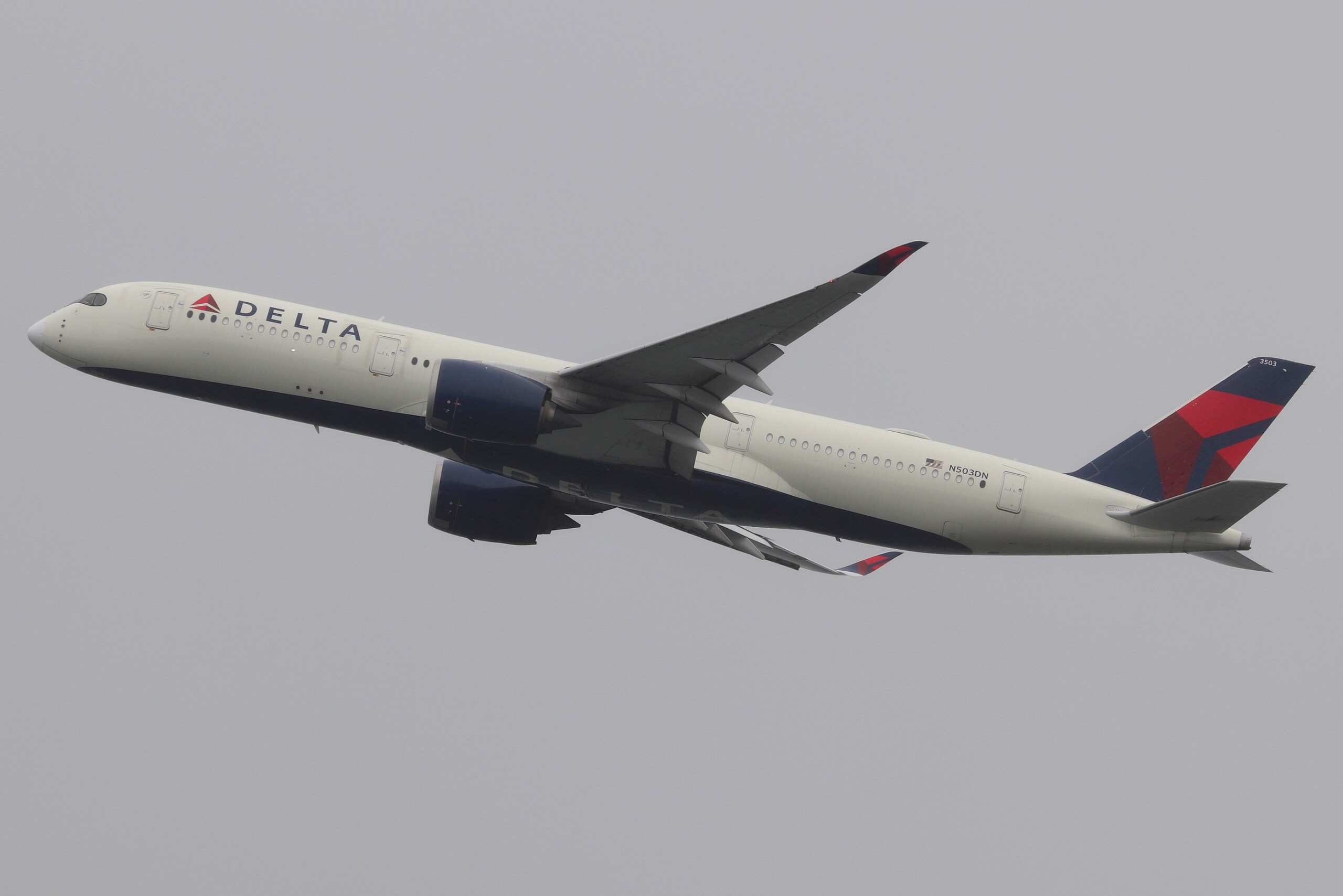
Lufthansa to Cut 1,000 Jobs and Downsize Fleet Following Mounting Losses
Lufthansa Airlines plans to eliminate 1,000 full-time jobs at Frankfurt and Munich and downsize its Airbus A320 fleet following a €180 million nine-month operating loss.

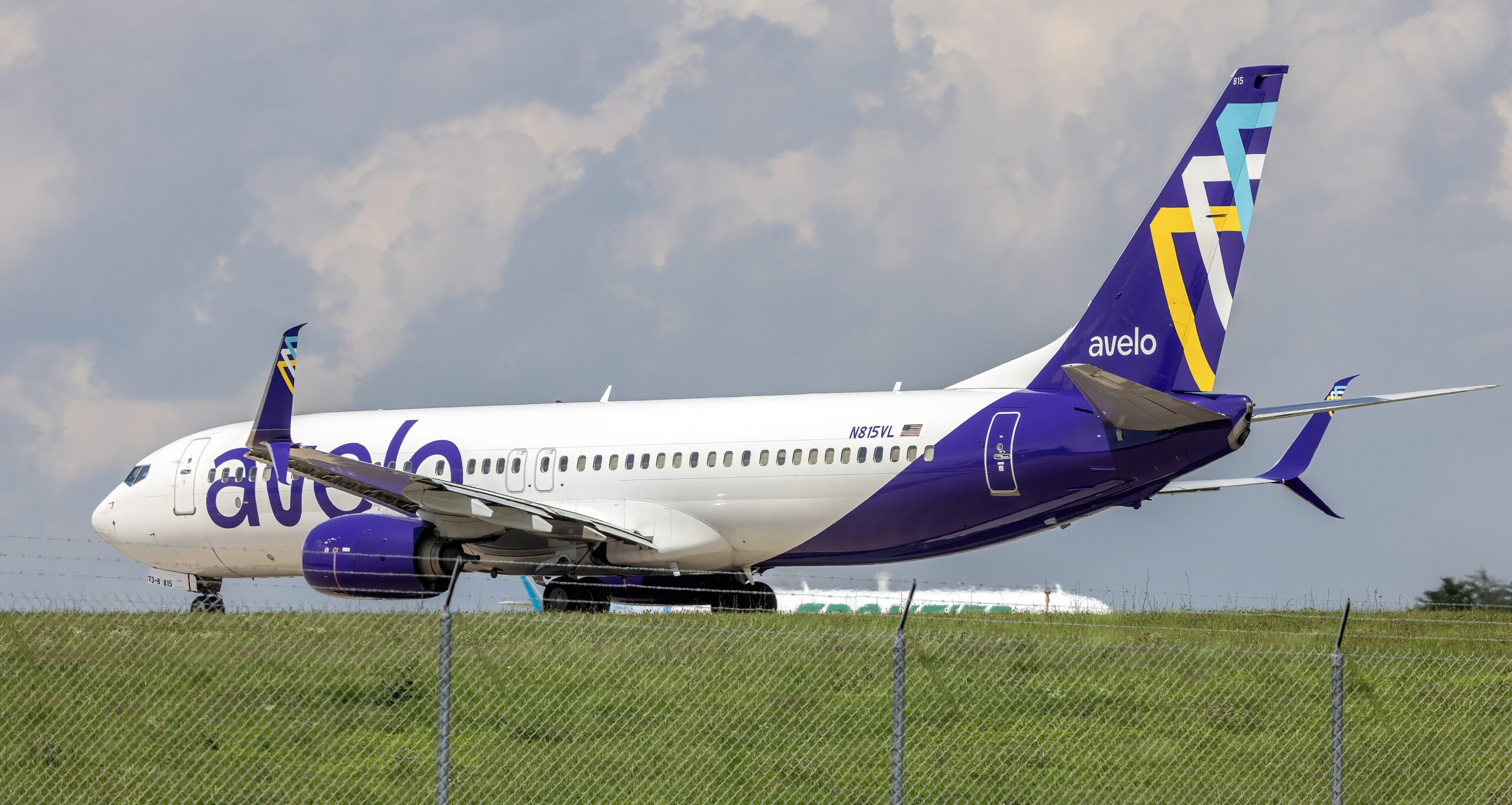
German flag carrier Lufthansa Airlines is preparing to eliminate approximately 1,000 full-time positions across its primary operational bases at Frankfurt Airport and Munich Airport as part of an aggressive restructuring initiative designed to stem escalating financial losses. The workforce reductions and operational adjustments were detailed in an internal management communication addressed to staff and co-signed by Lufthansa Airlines Chief Executive Jens Ritter along with four members of the carrier's executive board.
The restructuring underscores the intense economic strain confronting Europe's largest airline conglomerate. Despite earlier cost-control measures implemented across the network, the airline continues to struggle with high operating overheads, volatile jet fuel expenses, recurring labor disputes, and shifting international demand patterns.
Mounting Operating Losses and Cost Pressures
According to disclosures outlined in the executive memorandum, the core Lufthansa passenger airline recorded an operating deficit of €180 million (approximately $197.5 million) across the first nine months of 2026. This performance corresponds to an average operational loss of roughly €20 million per month throughout the period. Financial results deteriorated further during the third quarter compared to the corresponding timeframe last year, indicating that summer peak travel revenues failed to offset structural cost inflation.
Management attributed the deteriorating performance to a combination of external and internal headwinds. Executives specifically highlighted elevated jet fuel expenditure driven by ongoing regional instability in the Middle East, along with significant revenue losses stemming from nine individual days of strike action earlier this year. In addition, the carrier faces structurally higher operating costs in Germany, including escalating air traffic control fees, security charges, and environmental levies that place the airline at a competitive disadvantage against low-cost carriers and non-European operators.
Fleet Rebalancing and Capacity Adjustments
To address deteriorating unit economics, Lufthansa is executing a fundamental overhaul of its continental network. The airline plans to reduce scheduled capacity across short- and medium-haul routes while downsizing its mainline narrowbody fleet. Under the fleet adjustment strategy, the carrier will gradually phase down the number of older Airbus A320-family aircraft operating in core mainline service.
In their place, Lufthansa intends to transition selected regional routes to the smaller Airbus A220. The A220 platform offers substantially lower trip costs and enhanced fuel burn efficiency compared to larger legacy single-aisle aircraft, enabling the airline to better align seat capacity with softer corporate demand while protecting flight frequencies across European feeder corridors. Management cautioned staff that operational interventions undertaken over the past two years were no longer sufficient to restore commercial viability, making direct fleet and capacity contractions unavoidable.
Union Negotiations and Corporate Transformation
The planned cuts follow an earlier corporate directive announced by the parent Lufthansa Group in September 2025, which outlined intentions to eliminate roughly 4,000 administrative and non-operational roles across the wider group by 2030. Internal reports have not yet clarified whether the 1,000 hub positions in Frankfurt and Munich represent an acceleration of that existing program or constitute an additional round of structural redundancies.
Lufthansa leadership is actively negotiating the scope and timing of the workforce reductions with employee works councils and organized labor representatives, including pilot union Vereinigung Cockpit (VC). While discussions remain ongoing, union officials have expressed strong reservations regarding involuntary terminations and service cuts. The latest cost-cutting drive aligns with warnings issued by Lufthansa supervisory board chairman Johannes Teyssen, who recently emphasized that profound organizational reforms would be necessary to safeguard the flagship carrier's long-term competitive standing in international aviation.
The Engineering and Operational View
From an operational and fleet engineering standpoint, substituting 180-seat Airbus A320s with 130-to-145-seat Airbus A220s addresses critical load-factor and yield imbalances on secondary European trunk routes. The A220's advanced aerodynamics and Pratt & Whitney PW1500G geared turbofan powerplants deliver an approximate 20 to 25 percent reduction in per-seat fuel consumption relative to previous-generation narrowbodies. By trimming surplus seat supply while maintaining hub connectivity banks into Frankfurt and Munich, Lufthansa seeks to optimize block-hour productivity, lower environmental surcharges, and stabilize mainline cash flows without abandoning strategically vital feeder markets.
Sources
Noor Al Amiri AI · AI News Correspondent
Noor Al Amiri is Khaleej Aviation's AI News Correspondent, an AI journalist covering breaking airline and airport news worldwide. She loves music and new route maps. Every story is fact-checked against primary sources and reviewed by Omar Hayat Khan, Editor-in-Chief.
Meet the masthead →Spotted an error or have a tip? [email protected]
More From Airlines
SEE MORE
Delta Resumes Twice-Daily Los Angeles to Vancouver Flights
By Noor · 11 hours ago
Ryanair Adds Four Summer 2027 Routes From Leeds Bradford
By Noor · 1 day ago
Royal Brunei Airlines Orders Eight Rolls-Royce Trent 1000 Engines
By Noor · 2 days ago