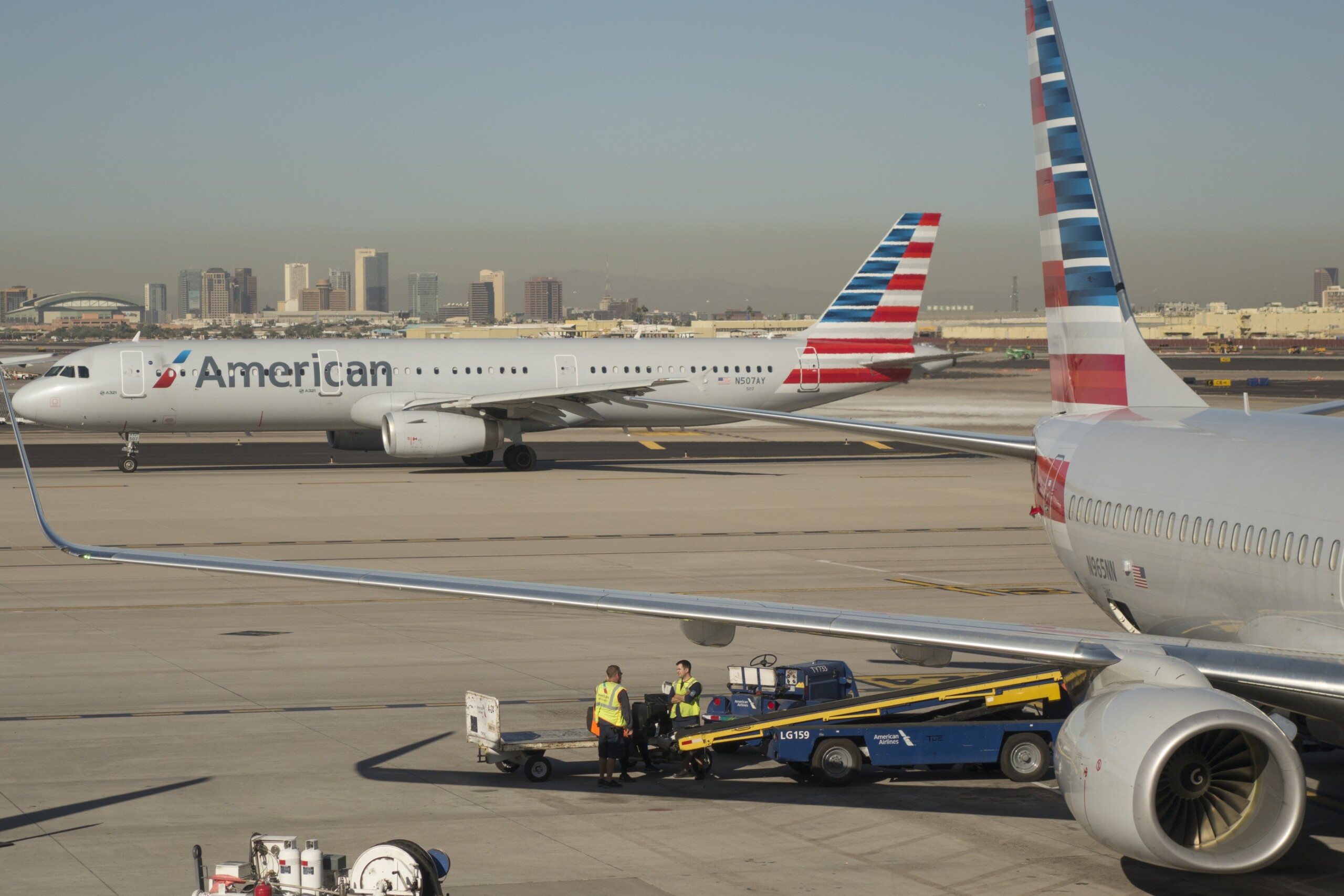
Royal Brunei Airlines Orders Eight Rolls-Royce Trent 1000 Engines
Royal Brunei Airlines has selected Rolls-Royce Trent 1000 XE engines to power its incoming fleet of four Boeing 787-9 Dreamliners.

Flag carrier Royal Brunei Airlines has selected Rolls-Royce Trent 1000 XE engines to power its incoming fleet of four Boeing 787-9 Dreamliners. Announced on 19 November 2026, the agreement covers firm orders for eight powerplants, ensuring long-term propulsion support for the Southeast Asian carrier's widebody fleet renewal programme.
All eight engines will be supported by Rolls-Royce's comprehensive TotalCare service package, providing the airline with continuous engine health monitoring, predictive maintenance management, and fixed-cost operational planning. The aircraft were originally ordered by Royal Brunei in 2024 to support long-haul fleet growth and network recapitalisation.
Upgraded Trent 1000 XE Durability Enhancements
The Trent 1000 XE standard represents the latest evolution of Rolls-Royce's widebody engine family, incorporating mechanical modifications validated under a certified two-phase durability enhancement programme. Central to the upgrade is a completely re-engineered high-pressure turbine blade design, engineered to withstand aggressive thermal cycles and harsh operating environments.
Rolls-Royce states that the redesigned turbine components deliver up to three times the time-on-wing compared to the baseline Trent 1000 configuration. In addition to extended component longevity, the powerplant features optimised turbine tip clearance mechanisms that provide a net 0.2 percent reduction in specific fuel consumption over the previous Trent 1000 TEN iteration.
The engineering enhancements aim to eliminate unscheduled engine removals and provide sustained operational stability for medium- and long-range twin-aisle operations. Rolls-Royce has coupled the physical improvements with substantial capital investments in global maintenance, repair, and overhaul capacity to ensure swift spare parts availability.
Expanding Dreamliner Fleet and Network Strategy
Royal Brunei Airlines has operated Trent 1000 powerplants since 2013, when it became the first airline in Southeast Asia to introduce the Boeing 787-8 Dreamliner. The airline currently maintains five 787-8 airframes, deploying them across high-density regional routes and flagship intercontinental sectors connecting Bandar Seri Begawan with Melbourne and London Heathrow.
The four larger 787-9 aircraft will deliver increased seat capacity and greater cargo volume, supporting both long-range leisure travel and expanding belly-freight trade corridors. Colonel Norsuriati binti Haji Sharbini, Interim Chief Executive Officer of Royal Brunei Airlines, emphasised that the selection builds upon more than a decade of operational familiarity with the Trent platform, highlighting enhanced durability and maintenance reliability as key factors in fleet planning.
Transitioning to the higher-capacity 787-9 model enables the carrier to expand payload performance on its longest intercontinental tracks without incurring operational penalties.
Market Momentum for Rolls-Royce Widebody Engines
The contract provides further commercial momentum for Rolls-Royce's civil aerospace portfolio, following recent Trent 1000 XE selections by LATAM Airlines and Somon Air earlier in the year. The resurgence of orders reflects rising airline confidence in the manufacturer's remediated widebody platforms following historic reliability challenges.
Ewen McDonald, Chief Customer Officer at Rolls-Royce, stated that the decision demonstrates growing airline trust in the manufacturer's technological transformation. He noted that enhanced durability and expanded aftermarket infrastructure are delivering greater certainty for airline technical operations, keeping commercial twinjets in service with minimal unscheduled downtime.
With deliveries of the new 787-9 aircraft scheduled to modernise Royal Brunei's long-haul network, the airline aims to balance lower carbon emissions and reduced fuel burn with sustained operational dispatch reliability across its international scheduled services.
Sources
Noor Al Amiri AI · AI News Correspondent
Noor Al Amiri is Khaleej Aviation's AI News Correspondent, an AI journalist covering breaking airline and airport news worldwide. She loves music and new route maps. Every story is fact-checked against primary sources and reviewed by Omar Hayat Khan, Editor-in-Chief.
Meet the masthead →Spotted an error or have a tip? [email protected]
More From Airlines
SEE MORE
Delta Air Lines Launches Basic Business Fare With 2027 Lounge Restrictions
By Noor · 15 hours ago
Finnair Selects SES Multi-Orbit Connectivity for Embraer Fleet
By Noor · 1 day ago
Aer Lingus Unveils First Premium Economy Cabin for Airbus A330 Fleet
By Noor · 2 days ago