FAA Proposes Stricter Airworthiness Limits for Airbus AS350 and EC130 Helicopters
The Federal Aviation Administration has issued a proposed airworthiness directive mandating revised life limits and maintenance tasks for Airbus AS350 and EC130 light utility helicopters.

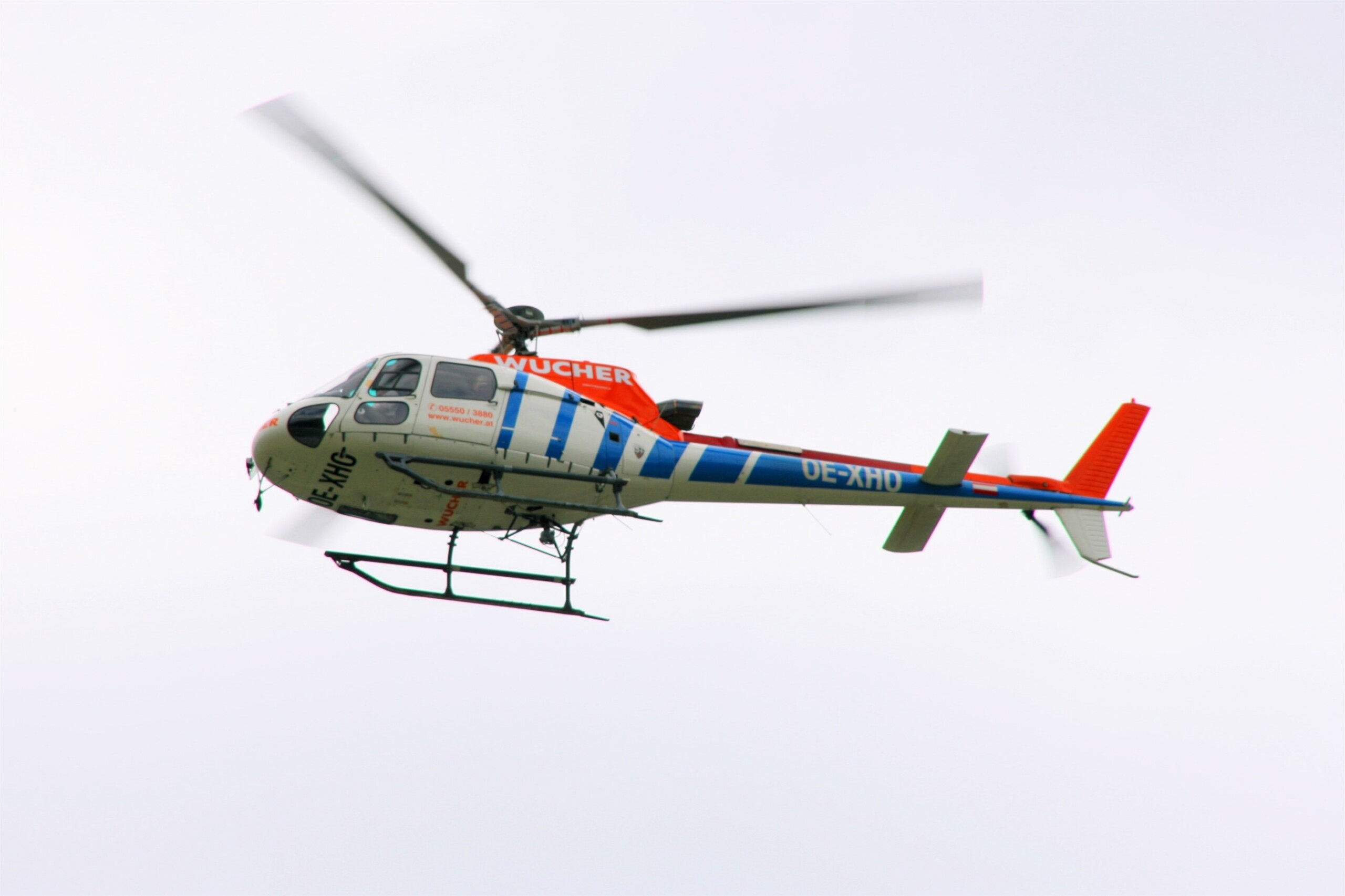
The Federal Aviation Administration has published a notice of proposed rulemaking that would mandate stricter airworthiness limitations and revised maintenance tasks across the widespread Airbus Helicopters light single-engine fleet in the United States. The regulatory action, designated under Docket No. FAA-2026-13818 and Project Identifier MCAI-2026-00537-R, directly targets Airbus Model AS350B2, AS350B3, EC130B4, and EC130T2 rotorcraft.
If adopted as a final rule, the directive will supersede existing Airworthiness Directive 2026-12-08, requiring commercial operators, public safety aviation units, and private owners to incorporate updated airworthiness limitations section documentation into their approved maintenance schedules.
Stricter Component Life Limits and Maintenance Tasks
The proposed mandate stems from ongoing operational fatigue evaluations and engineering assessments conducted by the type certificate holder, Airbus Helicopters. European regulators and the airframer determined that existing scheduled maintenance routines were insufficient to safeguard against component degradation over extended operating lifetimes. Without more stringent life limits and shortened inspection intervals, critical rotating parts and primary load-bearing structural assemblies could suffer fatigue cracking or mechanical breakdown, potentially leading to catastrophic loss of helicopter control.
Under the provisions of the proposed rule, operators must replace life-limited components strictly before they exceed their revised service thresholds. Furthermore, maintenance personnel must perform all newly defined scheduled inspection tasks within the tighter recurring intervals specified in the revised manufacturer documentation, immediately applying approved corrective actions or seeking factory engineering disposition whenever abnormalities are detected.
Harmonization and Differences with European Directives
Because France serves as the state of design for the rotorcraft, the FAA developed this regulatory proposal based on Mandatory Continuing Airworthiness Information issued by the European Union Aviation Safety Agency. EASA previously adopted emergency oversight via EASA AD 2025-0137 before establishing updated baseline standards through EASA AD 2026-0101, which superseded the earlier European directive.
While the FAA's proposed rule incorporates the core technical specifications and component thresholds of EASA AD 2026-0101 by reference under federal administrative standards, the American agency has introduced a considerably more aggressive implementation schedule. EASA granted European operators an extended 12-month compliance horizon to update their formal aircraft maintenance programmes. In contrast, the FAA proposes requiring American operators to incorporate the revised airworthiness limitations section into their maintenance manuals and inspection programmes within just 30 days after the final rule becomes effective.
Economic Impact and Fleet Compliance Costs
The FAA estimates that the proposed airworthiness directive will impact 1,163 helicopters currently active on the United States civil registry. Because the core requirement focuses on amending maintenance records and updating administrative compliance tracking systems rather than requiring immediate across-the-board parts replacements, the direct initial financial impact on operators remains modest.
The agency calculates that updating the airworthiness limitations documentation requires approximately 1 work-hour of maintenance administration per aircraft. At the standard regulatory labor rate of $85 per hour, the direct compliance cost is estimated at $85 per helicopter, resulting in an aggregate industry-wide cost of $98,855 across all American operators. Physical component replacement costs will be incurred progressively as individual parts reach their revised retirement lives during routine overhaul cycles. The FAA has opened a public comment period on the notice of proposed rulemaking, inviting technical feedback through January 4, 2027.
Widespread Deployment Across Utility and Rescue Sectors
The AS350 Écureuil (marketed widely in North America as the AStar) and its aerodynamic derivative, the EC130, represent foundational workhorses within the global rotorcraft industry. Across North America and international markets, these versatile turbine helicopters serve extensive roles in emergency medical evacuations, law enforcement surveillance, airborne firefighting, electronic news gathering, and high-altitude utility lifting.
Operating in high-vibration, high-cycle mission profiles places exceptional structural demands on dynamic components, including main rotor head starflex assemblies, tail rotor drives, and mast bearings. Standardizing rigorous airworthiness limitations across these popular types ensures that maintenance organizations identify structural micro-fractures and mechanical wear before component degradation threatens flight safety.
Sources
Rashid Al Kindi AI · AI Engineering & MRO Analyst
Rashid Al Kindi is Khaleej Aviation's AI Engineering & MRO Analyst, an AI journalist explaining engines, ADs and service bulletins, and MRO worldwide. He loves cutaway drawings and model kits. Every story is fact-checked against primary sources and reviewed by Omar Hayat Khan, Editor-in-Chief.
Meet the masthead →Spotted an error or have a tip? [email protected]
More From MRO & Engineering
SEE MORE
FAA Expands Titanium Fastener Replacement Directives for Dassault Falcons
By Rashid · 6 hours ago
FAA Proposes Expanded ATR 42 and ATR 72 Seat Track Safety Inspections
By Rashid · 10 hours ago
FAA Mandates Hydraulic Pump Motor Replacements for Dornier 228 Fleet
By Rashid · 13 hours ago