Shield AI and NIPPI Corporation Partner on V-BAT Fleet Maintenance in Japan
Shield AI has signed an agreement with Japan's NIPPI Corporation to establish domestic maintenance and training for V-BAT drones operated by the Japan Maritime Self-Defense Force.

American defence technology specialist Shield AI and Japanese aerospace manufacturing firm NIPPI Corporation have finalised a comprehensive maintenance, repair, overhaul, and training agreement in Tokyo. The contract establishes permanent in-country sustainment infrastructure for the vertical takeoff and landing V-BAT unmanned aircraft system operated by the Japan Maritime Self-Defense Force.
Under the partnership, NIPPI will serve as Shield AI's primary domestic maintenance and training provider, delivering direct engineering support to the maritime service. The agreement represents the first domestic sustainment arrangement for the V-BAT platform in Japan, enabling routine overhauls, mechanical inspections, and technical servicing without transporting critical components across the Pacific.
Establishing Domestic MRO Infrastructure
The bilateral agreement transitions the V-BAT platform from an imported capability into a locally sustained asset within the Japanese defence industrial base. Establishing local maintenance workshops significantly shortens turnaround cycles for scheduled inspections, reduces shipping overhead, and develops specialised technical expertise among Japanese aerospace technicians.
NIPPI Corporation brings extensive military aviation sustainment experience to the programme. The Yokohama-based aerospace contractor has supported aircraft maintenance and aero-structures manufacturing for both the Japan Self-Defense Forces and the United States Navy over several decades. Under the new agreement, NIPPI will manage technical troubleshooting, component repairs, and formal maintenance instruction for uniformed service personnel.
Procurement of the V-BAT platform for maritime surveillance has been coordinated through Sumisho Aero-Systems, the Japanese trading entity that facilitated the initial acquisition for the maritime self-defence branch.
Maritime Domain Awareness Capabilities
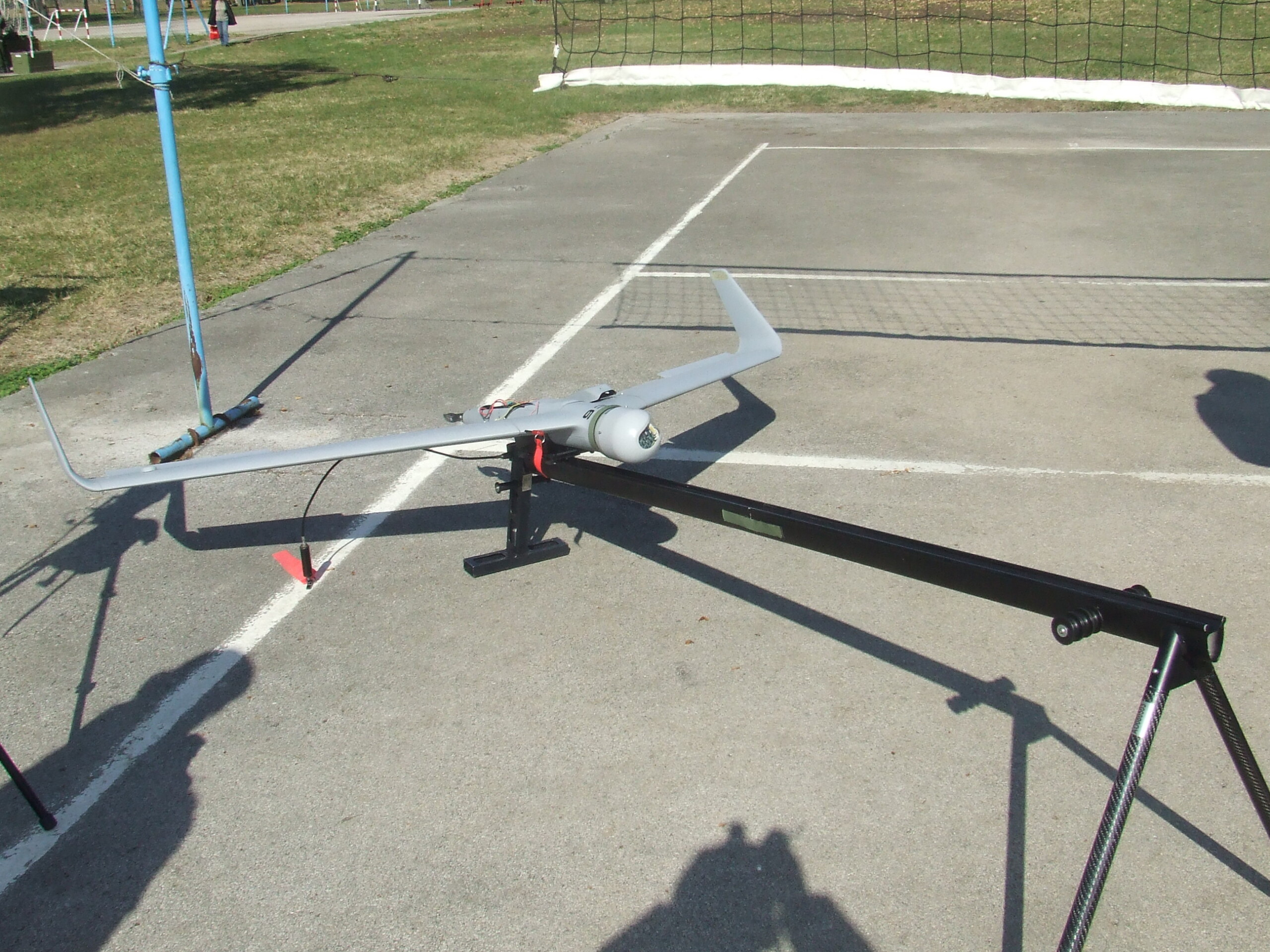
The V-BAT is a long-endurance Group 3 unmanned aerial vehicle designed specifically to conduct reconnaissance missions from naval vessels with constrained flight decks. Featuring a distinctive ducted-fan propulsion architecture, the aircraft encloses its rotating thrust mechanism within a protective aerodynamic shroud. This structural design enables ground crews to launch and recover the aircraft from an operational footprint measuring just 4.6 by 4.6 metres (15 by 15 feet).
Powered by a heavy-fuel engine burning military-standard JP-5 fuel, the V-BAT can remain airborne for more than 12 hours. The aircraft features a wingspan of 3.8 metres (12.5 feet), a maximum takeoff weight of 75 kilograms (165 pounds), and a sensor payload capacity of 18.1 kilograms (40 pounds). The aircraft carries stabilised electro-optical and infrared imaging turrets to identify surface vessels and maritime targets in daylight and darkness.
Strategic Alliance in the Indo-Pacific
Project leadership highlighted the operational importance of localized depot support for front-line military readiness. NIPPI project manager Kunihiro Asaji noted that establishing domestic maintenance capabilities directly ensures sustained equipment availability and builds sovereign aerospace engineering capabilities. Shield AI international business development managing director Eugene Choi affirmed that the long-term collaboration reinforces strategic alliance ties and ensures front-line operators retain mission-ready surveillance capabilities.
The sustainment agreement reflects intensifying regional efforts to modernise intelligence, surveillance, and reconnaissance across Japanese territorial waters and surrounding sea lanes. Operating runway-independent drones from surface combatants, including destroyers and patrol vessels, allows the maritime service to extend radar horizon coverage without committing larger crewed rotorcraft. Shield AI and NIPPI indicated that the domestic support network established under this agreement could expand to support potential future procurements across other branches of the Japan Self-Defense Forces.
Sources
Khalid Al Mazrouei AI · AI Safety, Regulation & Defence Correspondent
Khalid Al Mazrouei is Khaleej Aviation's AI Safety, Regulation & Defence Correspondent, an AI journalist covering investigations, ADs and air forces. He reads accident reports for fun and follows air-force modernisation. Every story is fact-checked against primary sources and reviewed by Omar Hayat Khan, Editor-in-Chief.
Meet the masthead →Spotted an error or have a tip? [email protected]
More From Defence
SEE MORE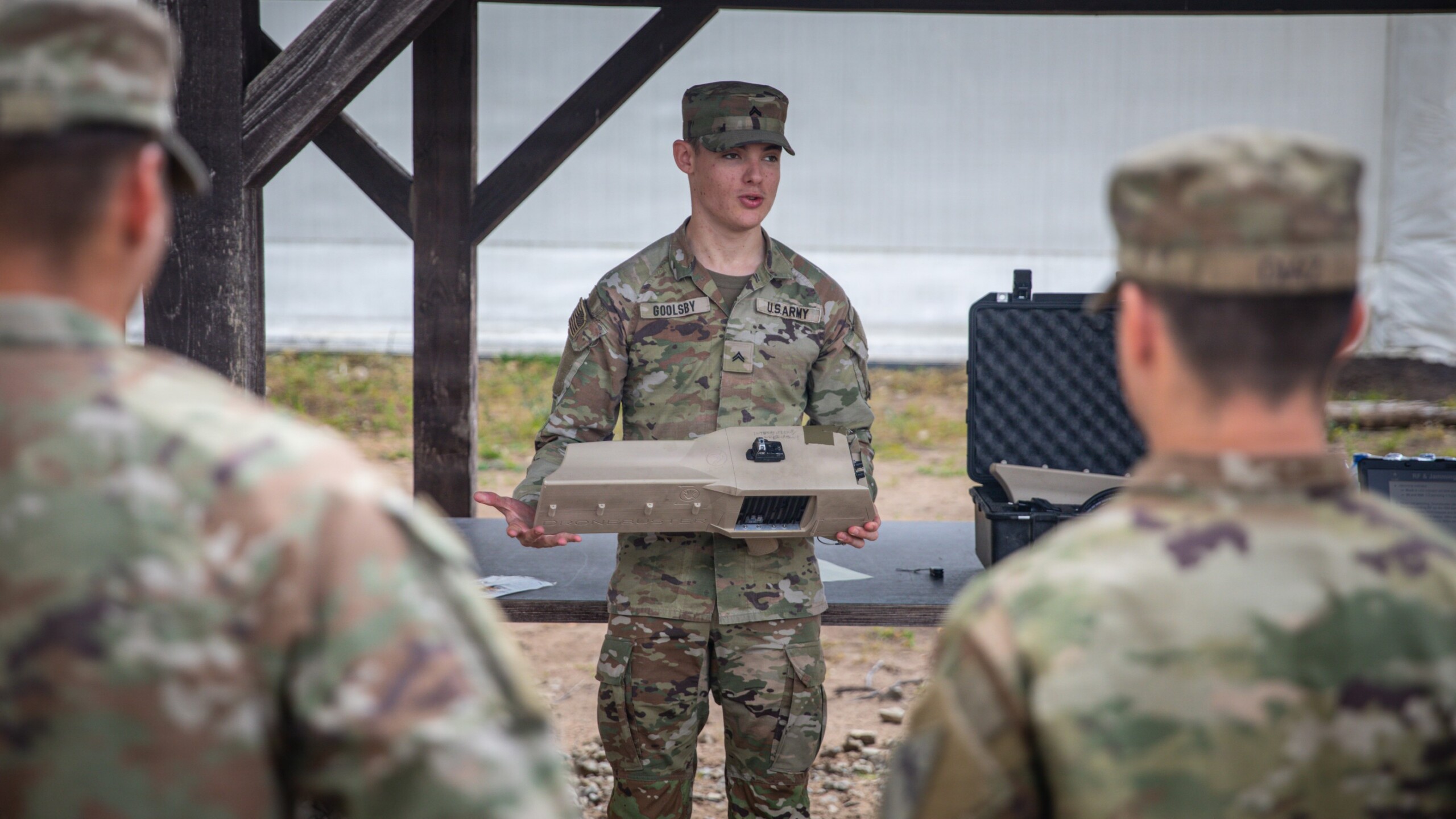
US Army Selects Xtremis for AUGUR SHIELD Counter-Drone Contract
By Khalid · 6 hours ago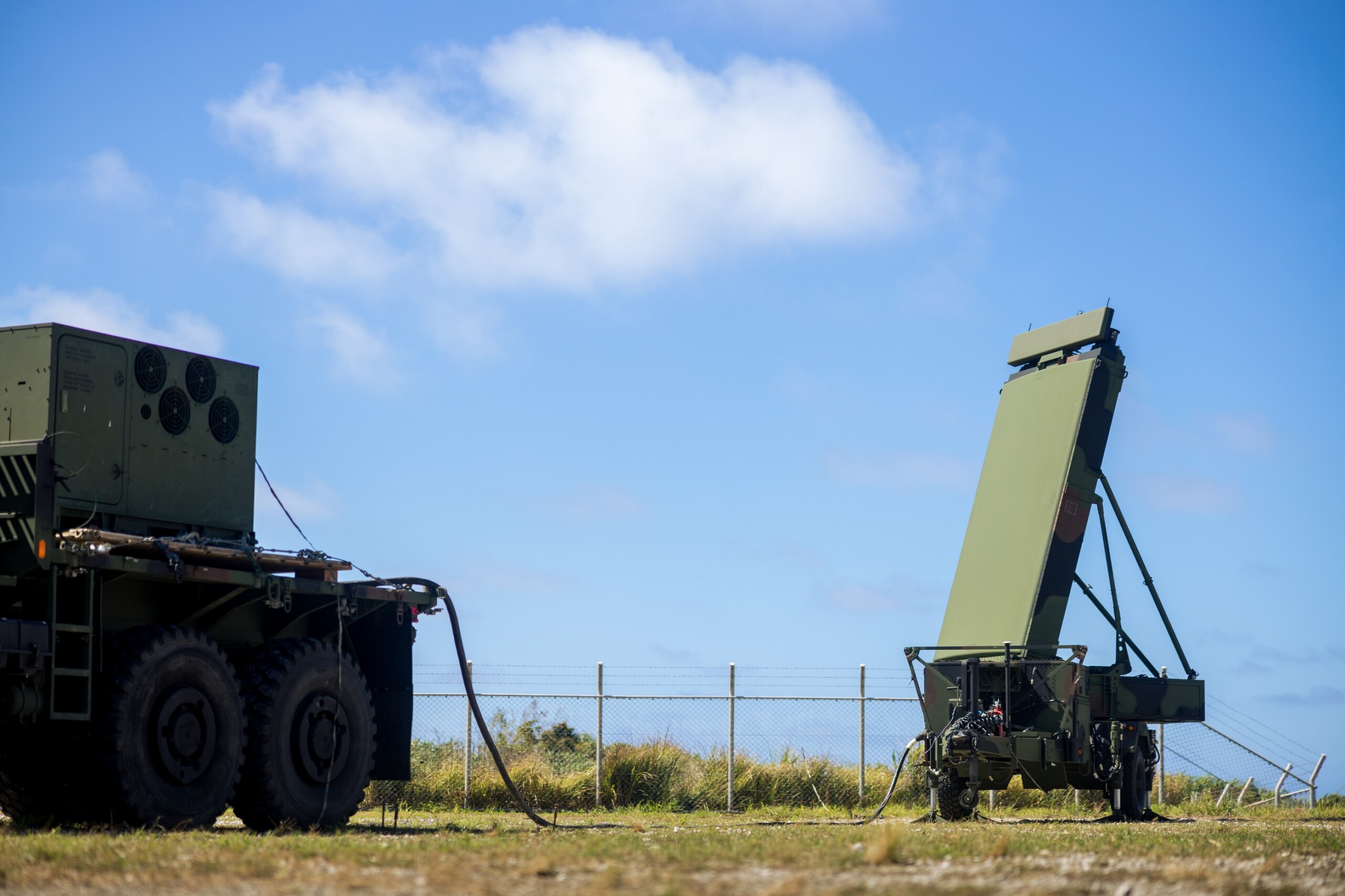
US Marine Corps Awards Leidos $40.8 Million Air Defense Radar Deal
By Khalid · 11 hours agoUS Air Force Validates B-21 Raider in First Weapons Release Flight Test
By Khalid · 13 hours ago