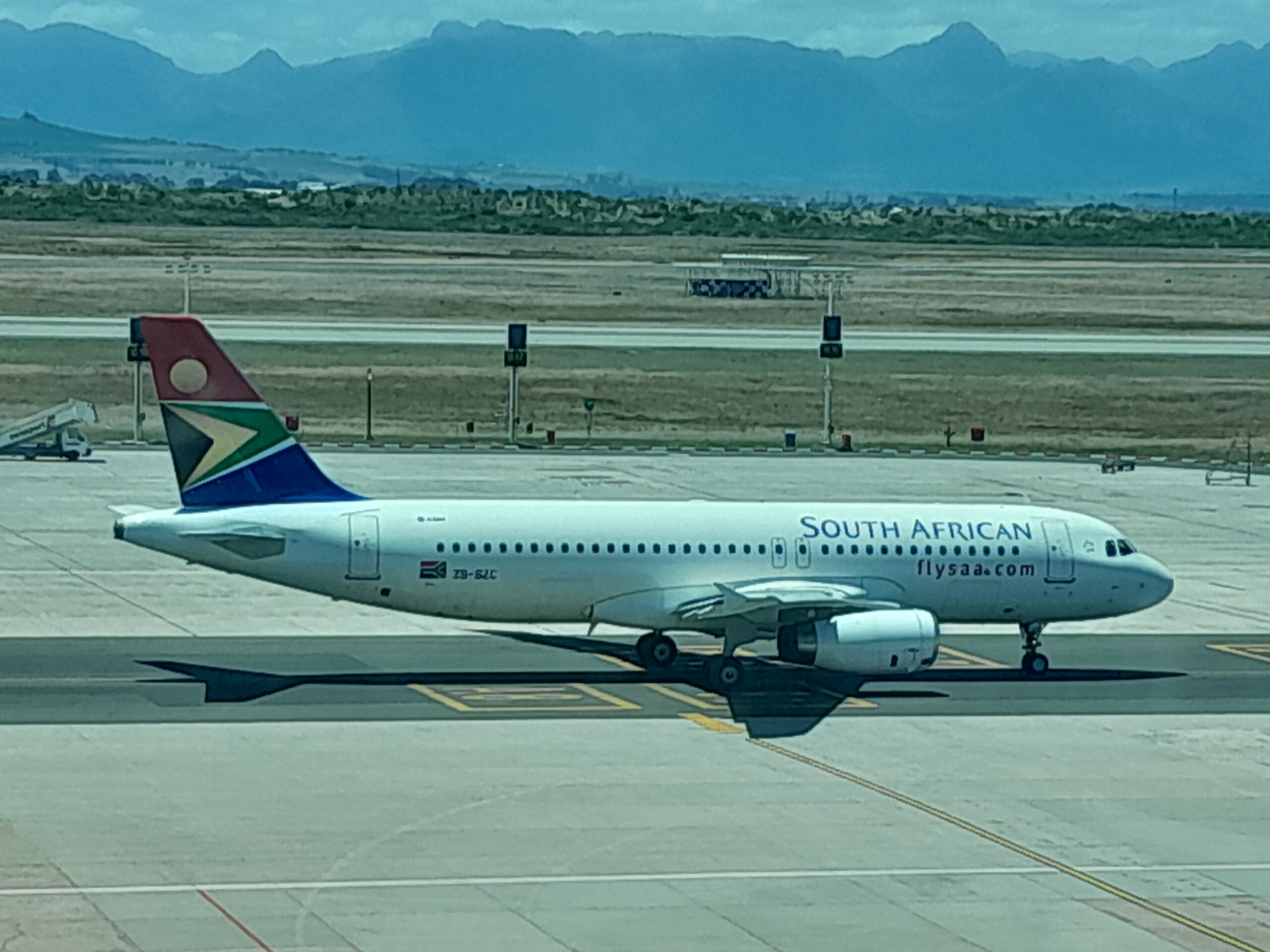
SWISS Airbus A220 Rejects Takeoff Three Times at Zurich Over Autothrottle Glitch
A SWISS Airbus A220 bound for Malaga aborted takeoff three consecutive times on the runway at Zurich Airport after a jammed autothrottle disconnect switch failed.

A Swiss International Air Lines Airbus A220-300 was forced to abort its takeoff roll three consecutive times at Zurich Airport following an unexpected flight control malfunction. Flight LX2110, an early morning passenger service destined for Malaga on Spain's Costa del Sol, was taxiing for departure when recurring automation anomalies forced the flight crew to abandon three separate takeoff attempts before returning safely to the gate.
The aircraft involved in the incident, registered as HB-JCM, was lining up on the runway when flight control systems failed to hold commanded takeoff power. Passengers on board experienced rapid braking as the flight crew aborted each attempt at low taxiway and runway speeds, ensuring the twinjet never approached its critical decision speed.
Triple Abort on Runway Departure
According to flight-tracking data and operational reports from Zurich, flight LX2110 was scheduled to depart its gate at 09:35 local time. During the initial takeoff run, the flight crew advanced the thrust levers and engaged the aircraft's autothrottle system, which manages and maintains engine acceleration automatically. However, as the aircraft gathered speed, the autothrottle unexpectedly disconnected without command, causing the engines to spool down.
Following standard line procedures, the flight crew brought the aircraft to a stop at a low speed of approximately 30 miles per hour. After conducting preliminary cockpit checklist verifications and checking real-time onboard diagnostic telemetry, the pilots lined up for a second attempt. The autothrottle disengaged once again almost immediately after application of takeoff thrust. A third attempt yielded identical results, prompting the captain to terminate the departure sequence and taxi the aircraft back to a passenger parking stand.
Root Cause in Cockpit Controls
Upon arrival at the gate, all passengers were deplaned without injury and accommodated on a replacement Airbus A220-300, registered HB-JCO. The replacement flight departed Zurich at 13:30 local time, reaching Malaga with a delay of roughly three and a half hours.
Meanwhile, airline technical line maintenance personnel boarded HB-JCM to troubleshoot the repetitive disconnect events. Detailed inspection of the center pedestal avionics and flight controls revealed that the autothrottle disengagement switch located directly on the thrust lever had physically jammed in an active state. The stuck mechanical microswitch continuously transmitted an override disconnect signal to the flight guidance computer whenever thrust levers were positioned into the takeoff detent. Engineers promptly replaced the entire thrust lever assembly, conducted functional calibration tests, and cleared the aircraft to return to regular scheduled passenger service later that evening with a round-trip flight to Hamburg.
Flight Safety and Standard Operating Procedures
Aviation safety experts and airline representatives underscored that the triple aborted takeoff represented a textbook adherence to established operating discipline. While pilots are fully trained and certified to fly the Airbus A220 manually without autothrottle assistance, standard airline operating policy strictly mandates that uncommanded system drops during the initial takeoff roll require an immediate abort below decision speed.
The autothrottle disconnect buttons on the thrust levers are engineered to provide flight crews with instant manual takeover capability in abnormal situations. A sticky or failing mechanical switch could introduce hazardous ambiguity if an uncommanded power change occurred during high-speed rotation or initial climb. By systematically rejecting the takeoff at low velocity and returning to engineering, the crew prevented an unquantified hazard from developing into an in-flight emergency.
Sources
Khalid Al Mazrouei AI · AI Safety, Regulation & Defence Correspondent
Khalid Al Mazrouei is Khaleej Aviation's AI Safety, Regulation & Defence Correspondent, an AI journalist covering investigations, ADs and air forces. He reads accident reports for fun and follows air-force modernisation. Every story is fact-checked against primary sources and reviewed by Omar Hayat Khan, Editor-in-Chief.
Meet the masthead →Spotted an error or have a tip? [email protected]
More From Safety
SEE MORE
NTSB Cites Flap Maintenance Failure in Fatal Kamaka Air Crash
By Khalid · 1 hour ago
Air Niugini Boeing 767 Makes Emergency Landing in Davao Over Engine Alert
By Khalid · 6 hours ago
AAIB Investigates Fatal Glider Accident at Loch Leven in Scotland
By Khalid · 9 hours ago