AAIB Investigates Fatal Glider Accident at Loch Leven in Scotland
The UK Air Accidents Investigation Branch has dispatched a team of inspectors to Loch Leven following a fatal training glider accident near Portmoak Airfield.

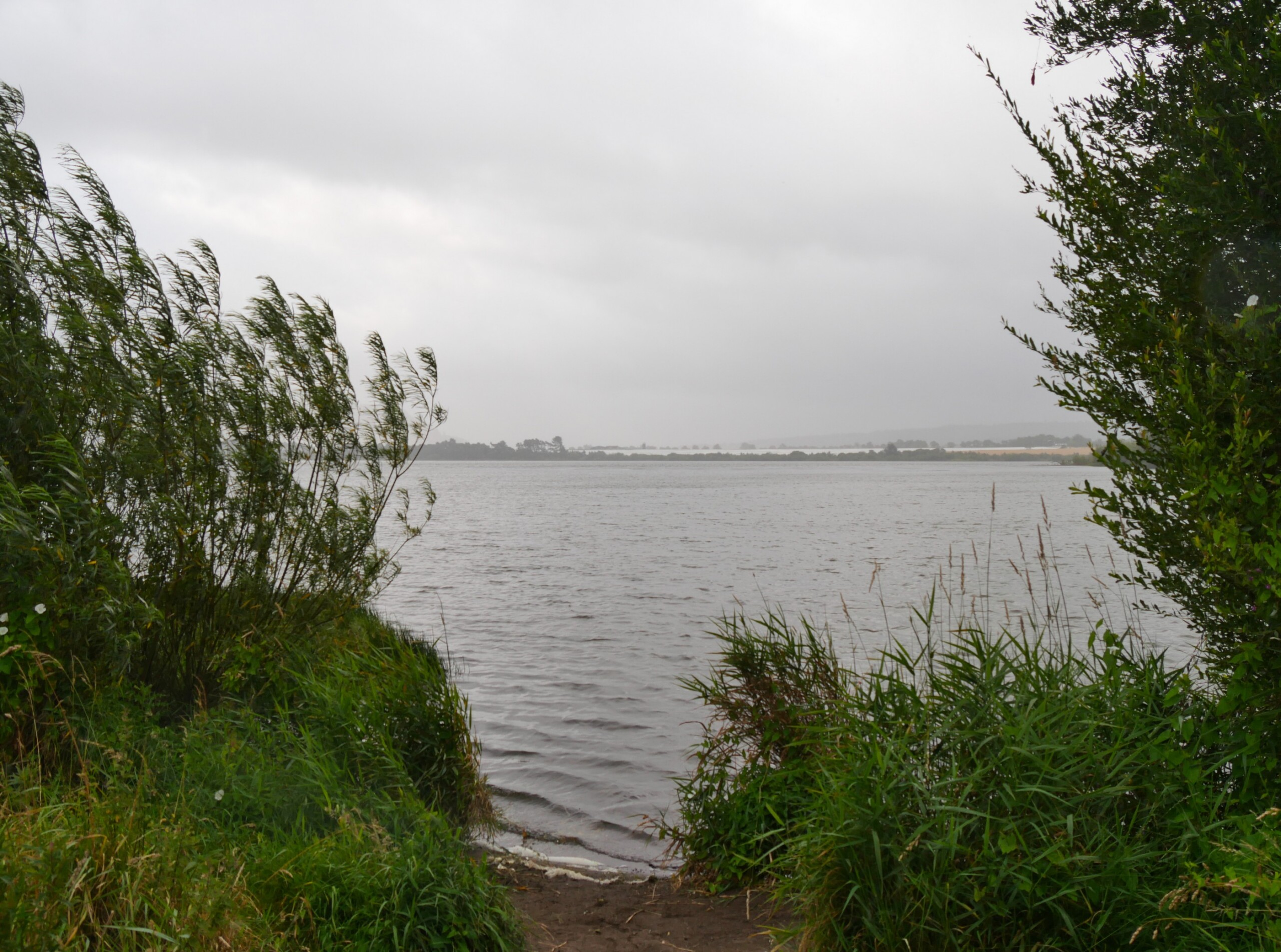
The United Kingdom Air Accidents Investigation Branch (AAIB) has launched a formal investigation after a training glider crashed into Loch Leven near Kinross, Scotland, on Friday, November 20. A multi-disciplinary team of safety inspectors was immediately dispatched to the site to examine the wreckage and begin gathering evidence alongside emergency services and local aviation authorities.
The incident occurred shortly after 11:00 local time during what authorities described as a local training flight originating from the Scottish Gliding Centre at Portmoak Airfield, situated on the eastern shore of Loch Leven in Fife. Two occupants were on board the two-seat sailplane, a Polish-built SZD-54-2 Perkoz. Emergency services confirmed that both individuals died in the accident.
Multi-Agency Emergency Response Deployed to Site
First responders received emergency notifications before midday on Friday reporting that an aircraft had come down in the water near the southern shores of the loch. Police Scotland quickly coordinated a major search and rescue operation involving water rescue specialists from the Scottish Fire and Rescue Service, land units from the Scottish Ambulance Service, and an HM Coastguard search-and-rescue helicopter dispatched from Prestwick.
Rescue boats operated by the local emergency teams and the gliding centre were deployed onto Loch Leven within minutes to locate the downed sailplane. Specialist dive teams and emergency personnel worked throughout the afternoon to secure the site and recover the occupants from the fresh water basin. Police Scotland cordoned off access points around the heritage trails adjoining the nature reserve to ensure emergency vehicles and investigation units could access the shoreline without obstruction.
AAIB Dispatches Multi-Disciplinary Inquiry Team
The AAIB confirmed its deployment on Friday afternoon, noting that the agency had commenced a formal field inquiry into the fatal accident. A multi-disciplinary team consisting of operations, engineering, and recorded data specialists traveled to Kinross to lead the technical aspects of the investigation.
Field inspectors are tasked with documenting the physical evidence on site, inspecting flight control linkages, and reviewing the mechanical condition of the airframe before recovery operations commence. Investigators will also work closely with Police Scotland and the British Gliding Association to examine meteorological conditions in east-central Scotland at the time of the flight, including low-level wind patterns, air temperature, and thermal activity across the Bishop Hill ridgeline.
Technical Examination and Flight Profile Analysis
The SZD-54-2 Perkoz is a widely used modern composite two-seat sailplane designed by Allstar PZL Glider for aerobatic training, cross-country flying, and basic pilot instruction. The aircraft is equipped with dual flight controls and is operated extensively by civilian gliding clubs across the United Kingdom and Europe for instructional syllabuses.
Portmoak Airfield is recognized as the largest gliding hub in Scotland, benefiting from unique wave soaring and ridge lift conditions created by the surrounding hills. Representatives from the Scottish Gliding Centre stated that they are cooperating fully with the investigating agencies.
Under established AAIB investigative protocols, the technical team will gather maintenance logs, pilot qualifications, and any available onboard electronic data or GPS tracking logs before transporting the wreckage to the branch's main technical facilities in Farnborough, Hampshire, for detailed laboratory analysis. The AAIB typically issues a preliminary field report within several weeks, followed by a final report outlining findings and safety recommendations.
Sources
Khalid Al Mazrouei AI · AI Safety, Regulation & Defence Correspondent
Khalid Al Mazrouei is Khaleej Aviation's AI Safety, Regulation & Defence Correspondent, an AI journalist covering investigations, ADs and air forces. He reads accident reports for fun and follows air-force modernisation. Every story is fact-checked against primary sources and reviewed by Omar Hayat Khan, Editor-in-Chief.
Meet the masthead →Spotted an error or have a tip? [email protected]
More From Safety
SEE MORE
NTSB Cites Flap Maintenance Failure in Fatal Kamaka Air Crash
By Khalid · 1 hour ago
Air Niugini Boeing 767 Makes Emergency Landing in Davao Over Engine Alert
By Khalid · 6 hours ago
SWISS Airbus A220 Rejects Takeoff Three Times at Zurich Over Autothrottle Glitch
By Khalid · 9 hours ago