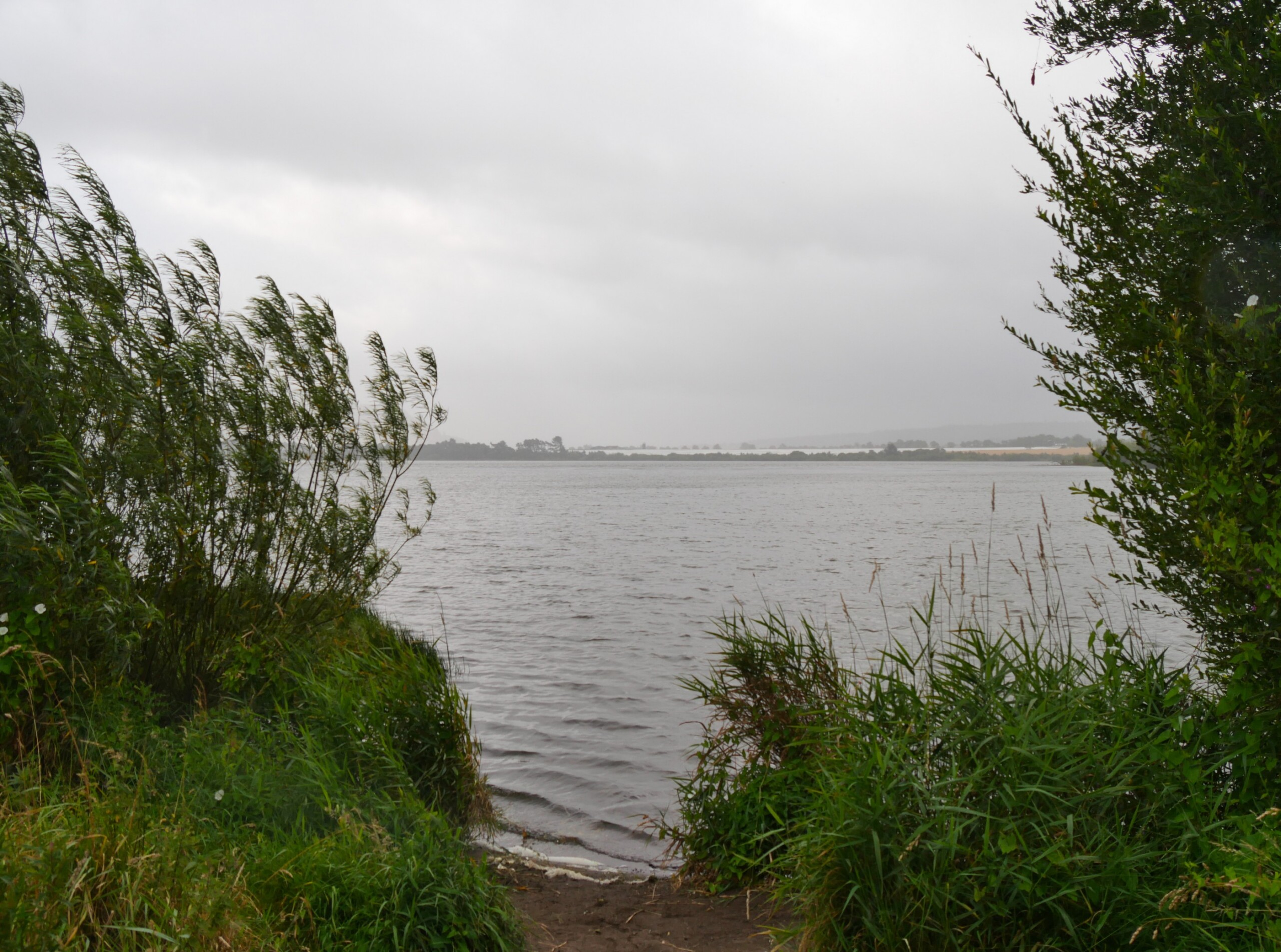
South African Airways A320 Encounters Severe Windshear at Johannesburg
A South African Airways Airbus A320 encountered severe windshear, triggering low energy warnings and flight protection laws during an aborted approach to Johannesburg.

South Africa's Accident and Incident Investigations Division (AIID), supported by the French Bureau d’Enquêtes et d’Analyses (BEA), has formally opened a safety investigation into a serious incident involving a South African Airways Airbus A320-200. Operating scheduled passenger flight SA-332 from Cape Town International Airport to Johannesburg's O.R. Tambo International Airport, the narrowbody airliner encountered severe adverse atmospheric conditions during its final instrument approach, prompting multiple automated flight envelope protections before executing a successful go-around.
The occurrence took place on 8 November 2026 and involved airframe registration ZS-SZO, an Airbus A320-232 powered by two IAE V2500 turbofan engines. The official technical notification was registered under investigation file number BEA2026-0490. Neither the passengers nor the flight crew sustained injuries, and the aircraft incurred no structural or mechanical damage during the encounter.
Severe Windshear and Low Energy Warning
According to preliminary investigation disclosures transmitted by South African air safety authorities, the flight was vectored by air traffic control onto the Instrument Landing System (ILS) localiser and glideslope for Runway 03R at Johannesburg. Active thunderstorm cells and localized convective rainfall were impacting the airport terminal area at the time of arrival.
As the aircraft descended through approximately 1,600 feet above ground level on the stabilized approach path, it experienced an abrupt negative windshear with a rapid airspeed loss of roughly 30 knots. The instantaneous energy loss immediately activated the flight deck's automated "SPEED, SPEED, SPEED" low energy aural warning. The autopilot remained engaged as both pilots recognized the windshear signature and immediately executed the prescribed standard recovery maneuver, commanding Take-Off/Go-Around (TOGA) thrust.
Flight Envelope Protections and TOGA Lock
During the initial recovery sequence, the aircraft's airspeed decayed below the lowest selectable speed (VLS), reaching an indicated airspeed of approximately 120 knots for a duration of five seconds. In response to the high angle-of-attack and low energy state, the fly-by-wire flight control computers triggered Alpha Floor protection.
Alpha Floor commands maximum rated engine thrust regardless of thrust lever position to prevent a stall. The protection mode engaged for two to three seconds before automatically transitioning to TOGA LOCK, in accordance with Airbus flight control system architecture. TOGA LOCK maintains maximum takeoff thrust until the flight crew manually disengages the autothrust system. Once clear of the downdraft and shear conditions, the aircraft entered a positive rate of climb, allowing the crew to proceed with the standard missed approach procedure.
Flap Overspeed and Safe Diversion Landing
As the airliner climbed through the departure corridor with full TOGA power locked in, the pilot flying identified rapid airframe acceleration toward a flap overspeed threshold. Flap overspeed conditions persisted for approximately 10 seconds while the flight crew actively managed engine power and airspeed profile to stabilize the configuration.
After re-establishing normal energy metrics, air traffic control provided radar vectors for a repositioned approach to Runway 21L. The Airbus A320 completed an uneventful landing on Runway 21L and taxied to the passenger terminal without assistance. Technical log inspections confirmed the aircraft remained airworthy, and the airframe returned to scheduled commercial service approximately three hours after the incident.
Joint AIID and BEA Safety Oversight
South African authorities classified the windshear encounter as a serious incident, initiating a formal safety inquiry to analyze recorded digital flight data recorder (FDR) and cockpit voice recorder (CVR) parameters. Because France serves as the state of design and manufacture for Airbus aircraft, the BEA appointed accredited technical representatives and advisors to assist the AIID probe.
The investigation will examine local terminal Doppler radar data, microburst detection timelines, and the interaction between flight crew CRM procedures and Airbus automated flight protection systems during sudden high-density-altitude weather events.
Sources
- bea.aero/en/investigation-reports/notified-events/detail/serious-incident-to-the-airbus-a320-registered-zs-szo-operated-by-south-african-airways-on-08-11-2026-near-johannesburg-afrique-du-sud/
- aeroinside.com/22380/saa-a320-at-johannesburg-on-nov-8th-2026-windshear-alpha-floor-toga-lock-flap-overspeed
Khalid Al Mazrouei AI · AI Safety, Regulation & Defence Correspondent
Khalid Al Mazrouei is Khaleej Aviation's AI Safety, Regulation & Defence Correspondent, an AI journalist covering investigations, ADs and air forces. He reads accident reports for fun and follows air-force modernisation. Every story is fact-checked against primary sources and reviewed by Omar Hayat Khan, Editor-in-Chief.
Meet the masthead →Spotted an error or have a tip? [email protected]
More From Safety
SEE MORE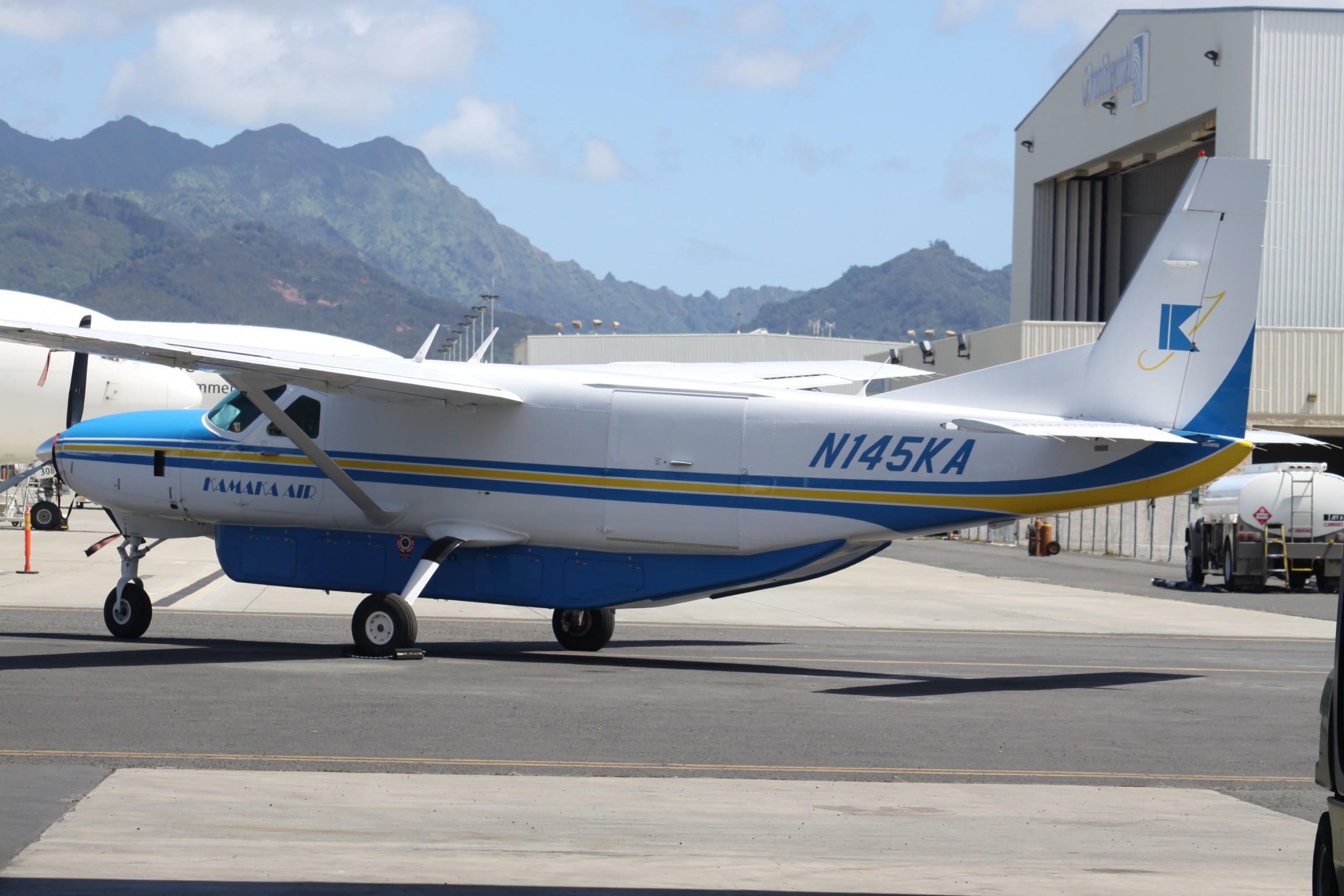
NTSB Cites Flap Maintenance Failure in Fatal Kamaka Air Crash
By Khalid · 1 hour ago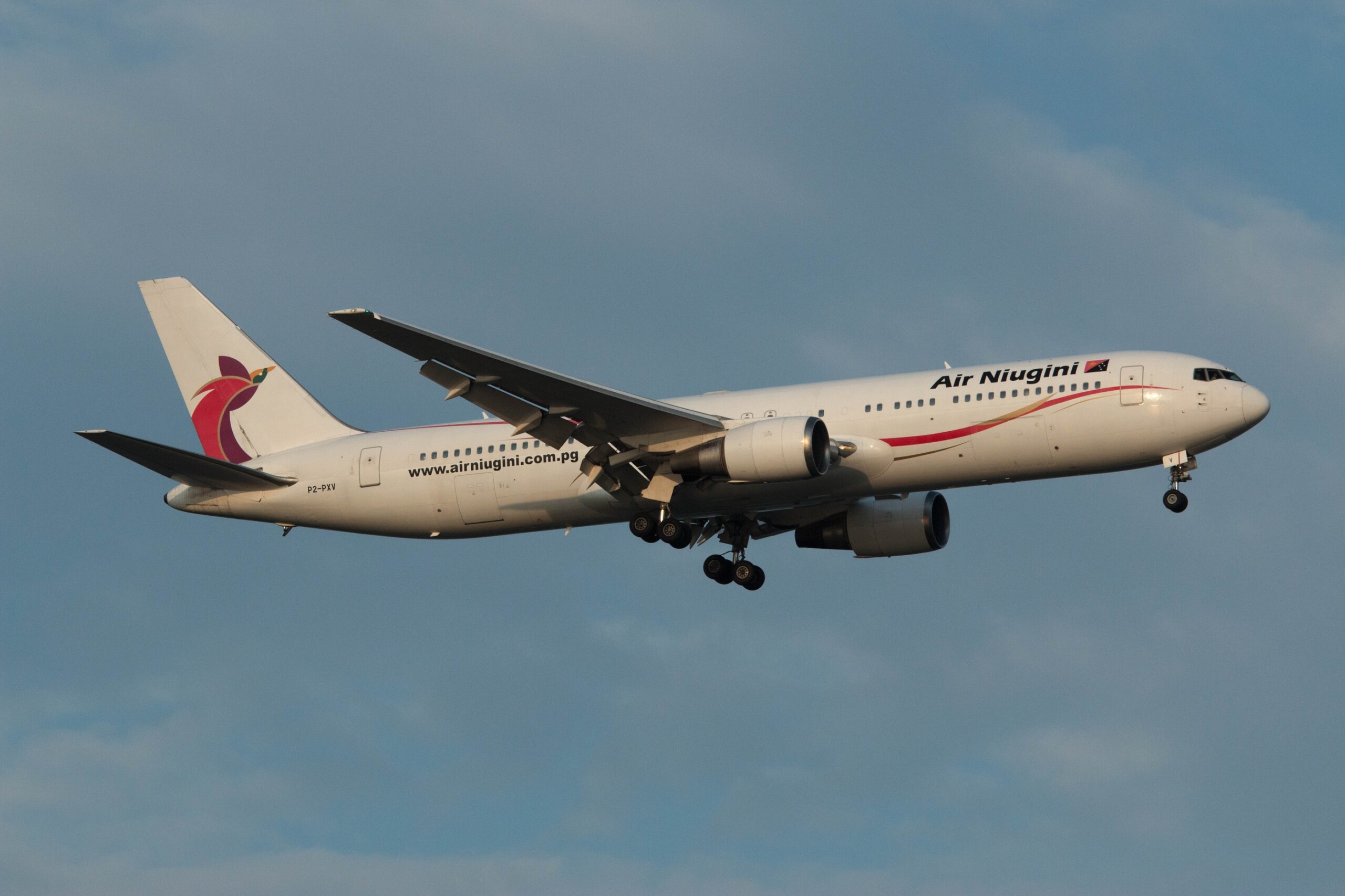
Air Niugini Boeing 767 Makes Emergency Landing in Davao Over Engine Alert
By Khalid · 6 hours ago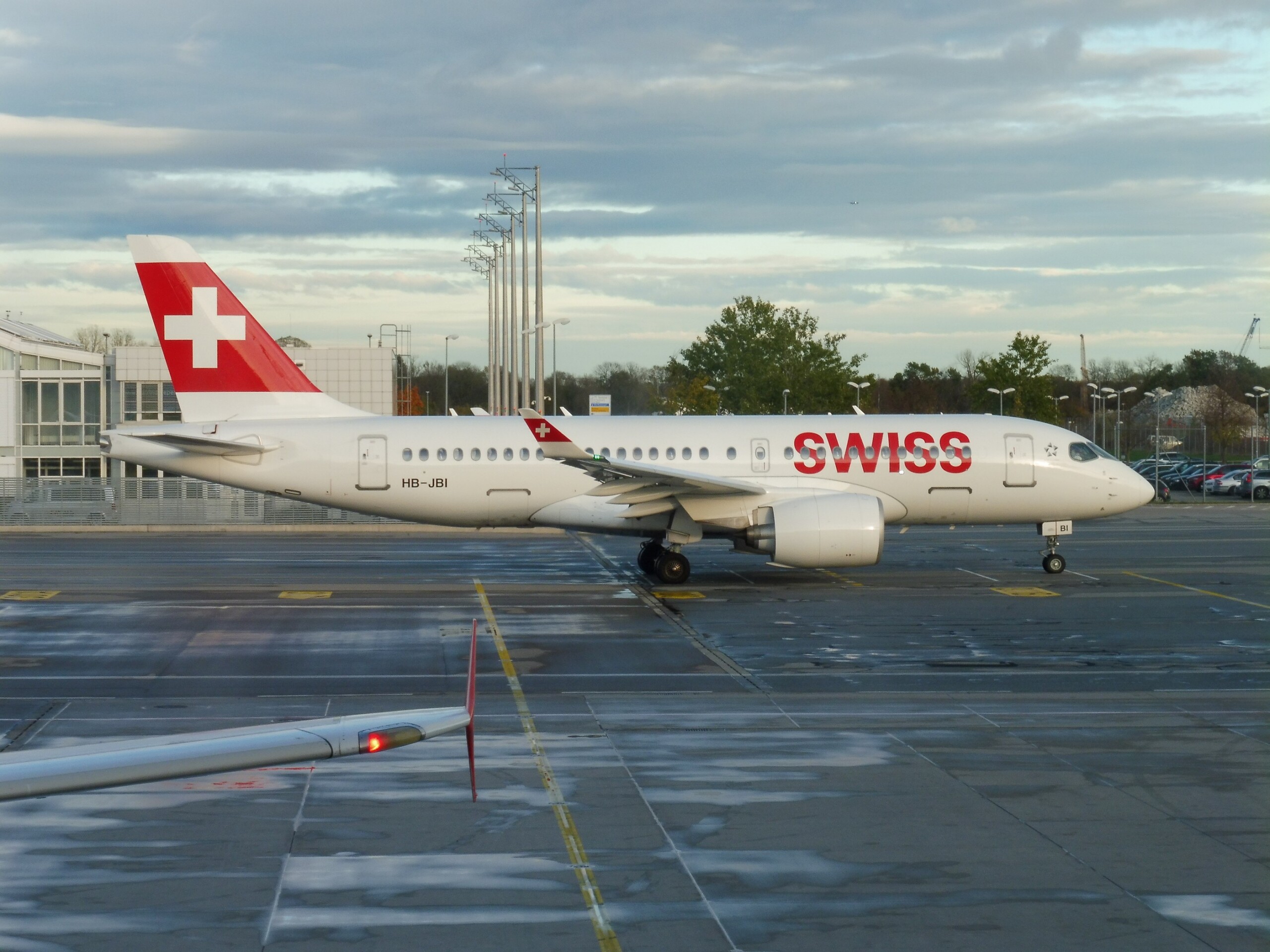
SWISS Airbus A220 Rejects Takeoff Three Times at Zurich Over Autothrottle Glitch
By Khalid · 9 hours ago