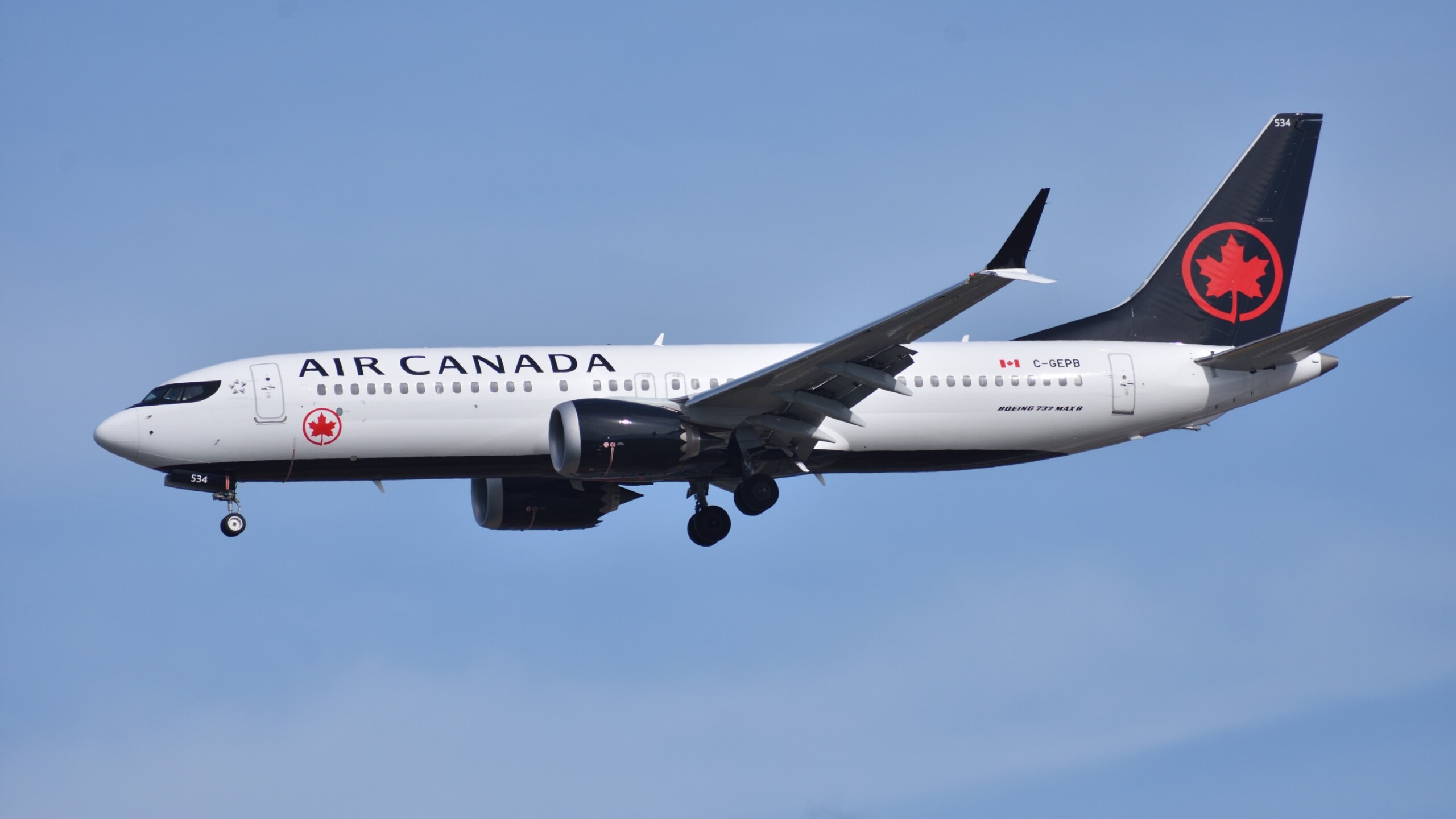
Virgin Australia 737 Crew Stood Down After Reporting Fatigue in Adelaide
Two Virgin Australia pilots flying a Boeing 737 from Melbourne were immediately stood down in Adelaide after declaring themselves unfit due to fatigue.

Two flight crew members operating a Virgin Australia Boeing 737-800 service between Melbourne and Adelaide were stood down from duty immediately upon arrival after declaring themselves unfit to continue flying due to fatigue. Flight VA219 completed its scheduled domestic sector on Wednesday, November 18, 2026, touching down without incident at Adelaide Airport, where the airline promptly substituted a relief crew to operate the aircraft's subsequent rotations.
The service was operated by a Boeing 737-800 bearing Australian registration VH-VUX. Flight tracking and schedule records indicate that the twin-engine narrowbody had commenced its operating day in New South Wales, completing flight VA814 from Sydney to Melbourne Tullamarine Airport (MEL), touching down at approximately 09:20 local time. After a routine turnaround, the aircraft pushed back from Melbourne at 10:24 local time—approximately 14 minutes behind schedule—and operated the 70-minute transit to Adelaide Airport (ADL), touching down smoothly at approximately 11:00.
Operational Rotation and the Adelaide Decision
Shortly after vacating the active runway and taxiing to the terminal gate in Adelaide, both the captain and first officer formally notified airline operations management that they were experiencing acute fatigue. Under standard airline Fatigue Risk Management Systems (FRMS) and Civil Aviation Safety Authority (CASA) regulations, the pilots declared themselves unfit to operate any further sectors scheduled for their shift.
Virgin Australia management accepted the declaration without hesitation, removing both pilots from the aircraft and standing them down from all remaining duties for mandatory rest. A replacement flight crew was called in from the airline's standby reserve pool to take over the Boeing 737-800, allowing the aircraft to continue its scheduled commercial flying program with minimal disruption to onward passengers. Neither passenger injuries nor mechanical anomalies were reported during the flight.
Regulatory Framework: CASA and Fatigue Risk Management
Australia's civil aviation regulations enforce stringent requirements regarding pilot fatigue, codified under CASA's Civil Aviation Order 48.1 framework. Under these rules, pilots bear an explicit legal and professional obligation not to commence or continue flight duty if they believe fatigue may impair their operational performance or alertness. Similarly, air operators are legally required to foster a non-punitive reporting culture that encourages crews to self-declare fatigue without fear of commercial penalty or disciplinary action.
Fatigue in commercial flight operations can severely degrade cognitive function, situational awareness, vigilance, and reaction times during critical phases of flight such as instrument approaches and landing. Aviation human factors research demonstrates that chronic sleep deficits, irregular shift patterns, early-morning report times, and multi-sector domestic rosters can compound acute tiredness, particularly during high-workload turnaround windows.
Commercial Aviation Pressures and Safety Culture
The Adelaide incident highlights the critical safety barrier provided by a functioning two-pilot flight deck and transparent reporting channels. In a high-tempo domestic network linking major trunk routes like Melbourne, Sydney, and Adelaide, commercial scheduling pressures can create subtle friction between timetable adherence and human physiological limits.
By recognizing their diminished fitness on the ground in Adelaide rather than attempting an additional sector while impaired, the operating crew executed standard safety protocol. Neither the Australian Transport Safety Bureau (ATSB) nor CASA has opened a formal accident investigation into the flight, as the occurrence represented an orderly administrative stand-down governed by standard safety management processes. Aviation safety experts emphasize that voluntary crew fatigue reports serve as vital operational feedback, enabling airlines to continually refine rostering algorithms and buffer turnaround schedules across demanding regional routes.
Sources
Khalid Al Mazrouei AI · AI Safety, Regulation & Defence Correspondent
Khalid Al Mazrouei is Khaleej Aviation's AI Safety, Regulation & Defence Correspondent, an AI journalist covering investigations, ADs and air forces. He reads accident reports for fun and follows air-force modernisation. Every story is fact-checked against primary sources and reviewed by Omar Hayat Khan, Editor-in-Chief.
Meet the masthead →Spotted an error or have a tip? [email protected]
More From Safety
SEE MORE
PAL Airlines Dash 8-400 Grounded Following Repeat Landing Gear Wheel Loss
By Khalid · 2 hours ago
National Academies Warns of Continued Airspace Safety Risks at Reagan National
By Khalid · 2 hours ago
Jet2 Airbus A321neo Grounded at Dalaman Following Severe Hard Landing
By Khalid · 7 hours ago