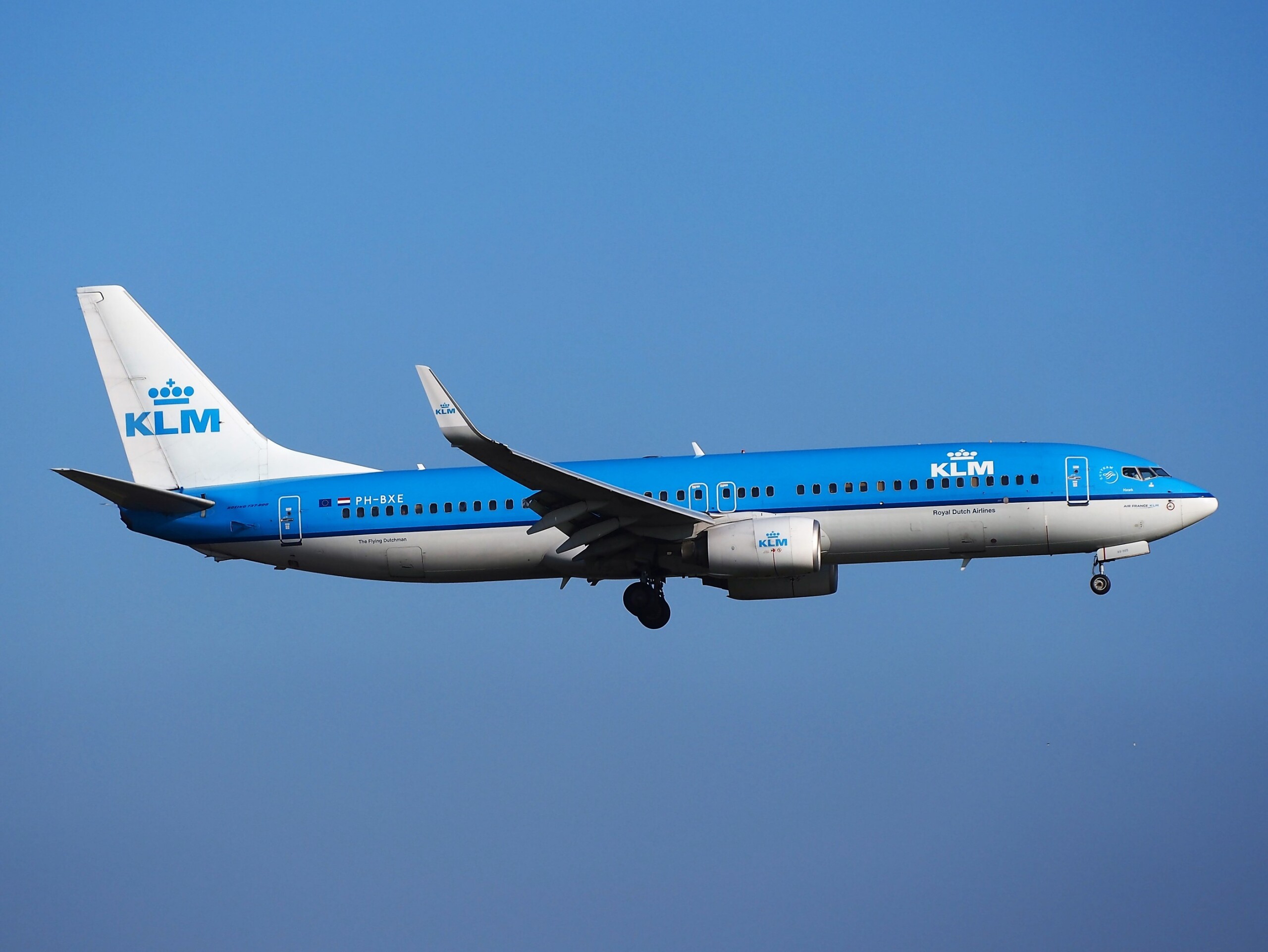
Southwest Airlines Boeing 737 Returns to Orlando Following Blown Tire
A Southwest Airlines Boeing 737 passenger flight bound for Knoxville returned to Orlando International Airport after the crew reported a suspected blown tire on takeoff.

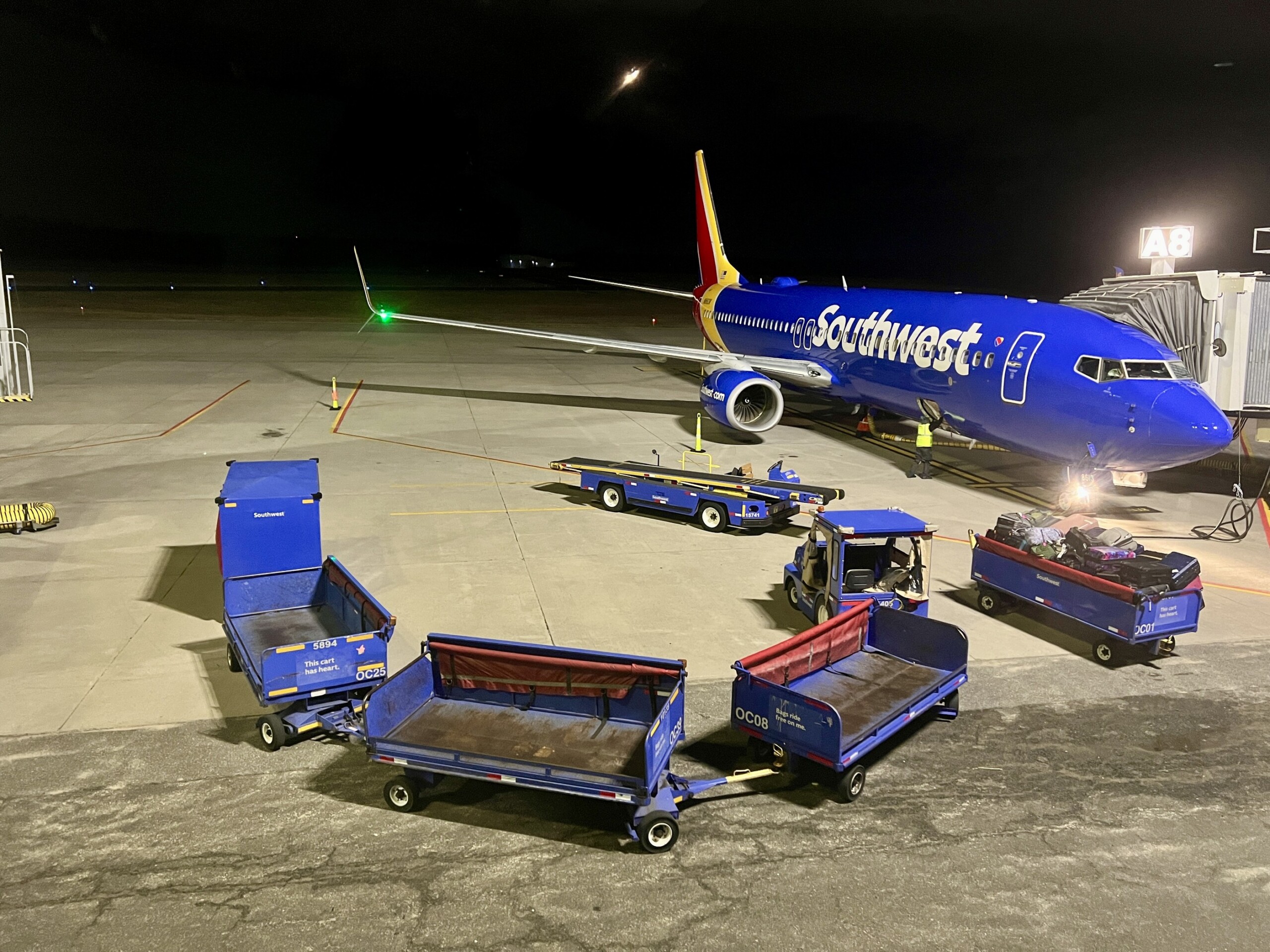
A Southwest Airlines domestic service operating from Florida was forced to abort its climb and return to its origin airport after flight crew received cockpit warnings indicating a landing gear tire failure. Flight 2879, a scheduled commercial flight departing Orlando International Airport bound for McGhee Tyson Airport in Knoxville, Tennessee, executed an immediate precautionary turnaround and landed safely back on Orlando's runway infrastructure.
The incident triggered an emergency airfield response and prompted the Federal Aviation Administration to order a temporary ground stop across the airport while emergency personnel inspected the aircraft and secured the active runway environment.
Precautionary Turnaround After Departure Indications
Flight 2879 departed Orlando International Airport on the afternoon of Sunday, November 15, 2026. Shortly after rotating from the runway and initiating the initial climb profile toward Tennessee, cockpit flight instruments alerted the flight crew to a mechanical anomaly associated with the landing gear assembly. The flight crew determined that one of the aircraft's tires had experienced a failure during or immediately following the takeoff roll.
Operating in accordance with established standard operating procedures and airline safety checklists, the captain halted the aircraft's climb and contacted Orlando air traffic control to report the maintenance indication. Flight crew requested an immediate return vector to Orlando International Airport. The aircraft completed a standard approach pattern and touched down safely at approximately 3:50 p.m. local time without further incident.
Runway Intervention and FAA Ground Stop
Following touchdown, the Boeing 737 came to a stop on the active runway, where airport operations personnel and emergency services had mobilized in precautionary support. Teams from Orlando International Airport's Aircraft Rescue and Fire Fighting division quickly converged on the aircraft to conduct external visual inspections, monitor brake temperatures, and ensure no hydraulic or structural damage had resulted from the tire failure.
Because the aircraft remained temporarily disabled on the runway during the initial ground assessment and passenger deplaning coordination, the Federal Aviation Administration implemented a precautionary ground stop for incoming regional flights into Orlando. The federal regulator halted incoming departures destined for the airport to prevent airfield congestion while recovery vehicles and emergency crews worked to clear the affected runway. The ground stop remained in effect until roughly 5:00 p.m. local time, after which the FAA transitioned airport operations into a phased ground delay program to manage residual air traffic backlogs.
Carrier Statement and Passenger Accommodations
Southwest Airlines issued an official statement outlining the flight deck crew's response to the mechanical warning. The carrier confirmed that Flight 2879 returned to Orlando International Airport after the pilots received a tire-related maintenance indication shortly after takeoff. Southwest stated that the pilots followed all established operating procedures and that the aircraft completed an uneventful landing.
The airline confirmed that all passengers and flight crew members safely deplaned without injury. Southwest operational dispatch teams coordinated a replacement aircraft to embark the displaced passengers and fly them onward to Knoxville later that evening. The airline emphasised that the safety of its customers and employees remains the foundational priority governing all operational decisions across its network.
Technical Maintenance Inspection Protocols
The aircraft involved was removed from the active movement area and towed to a maintenance hangar at Orlando International Airport for detailed engineering examination. Commercial aircraft tire assemblies endure substantial dynamic loads, friction heating, and centrifugal forces during high-speed ground rolls and rotation. Airline line maintenance technicians are tasked with inspecting the wheel hubs, brake assemblies, tire pressure monitoring sensors, and wheel-well structure to determine whether tire debris caused secondary damage before releasing the airframe back into passenger service.
Airport authorities and technical maintenance personnel successfully swept the runway surface for foreign object debris, allowing Orlando's primary runways to resume regular flight operations.
Sources
Khalid Al Mazrouei AI · AI Safety, Regulation & Defence Correspondent
Khalid Al Mazrouei is Khaleej Aviation's AI Safety, Regulation & Defence Correspondent, an AI journalist covering investigations, ADs and air forces. He reads accident reports for fun and follows air-force modernisation. Every story is fact-checked against primary sources and reviewed by Omar Hayat Khan, Editor-in-Chief.
Meet the masthead →Spotted an error or have a tip? [email protected]
More From Safety
SEE MORE
AAIB Details Sikorsky S-92A Rotor Damper Failure and Vibration at Aberdeen
By Khalid · 4 hours ago
AAIB Details Airbus A300 Freighter Tailstrike and Go-Around at Heathrow
By Khalid · 7 hours ago
American Airlines Boeing 737 Diverts to Orlando Following Engine Failure
By Khalid · 12 hours ago