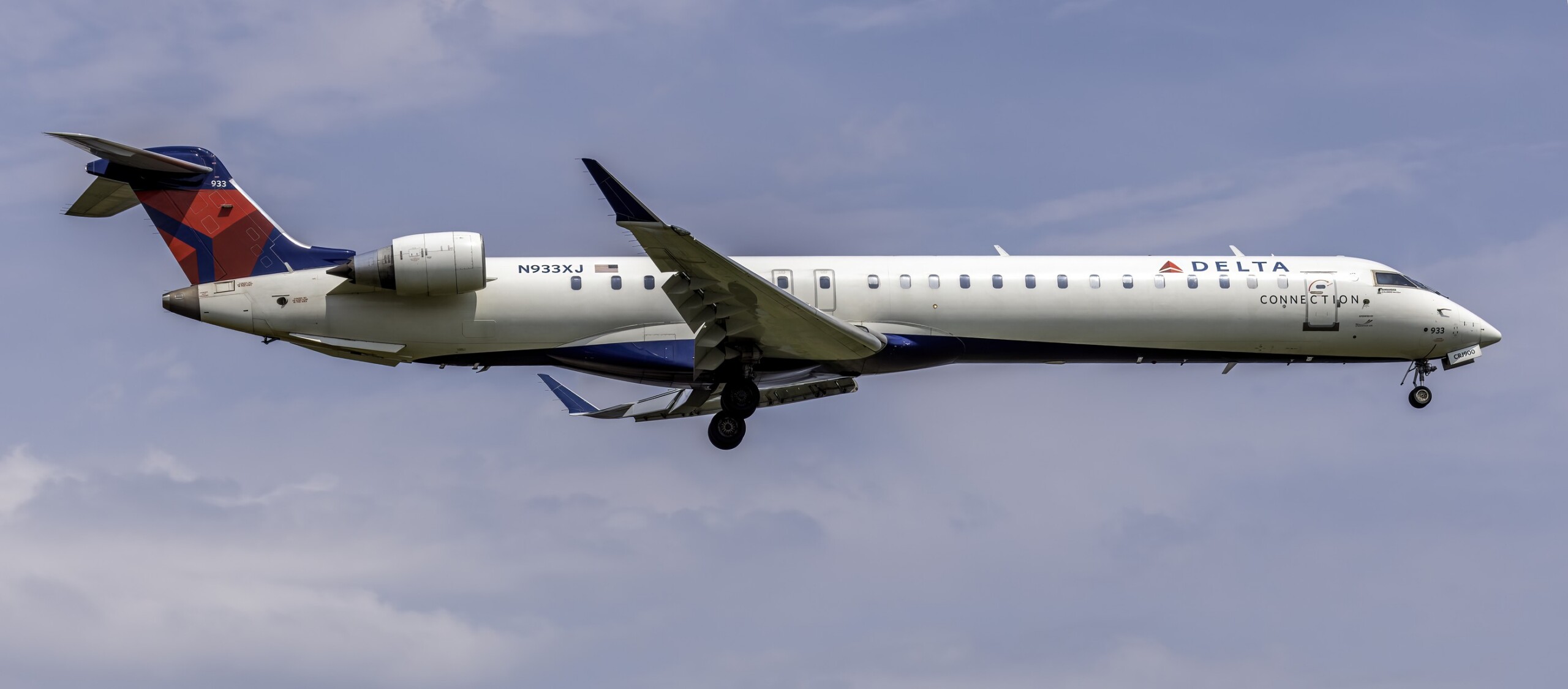
AAIB Details Airbus A300 Freighter Tailstrike and Go-Around at Heathrow
The UK Air Accidents Investigation Branch has released its final report into an Airbus A300-600F tailstrike during a bounced landing at London Heathrow.

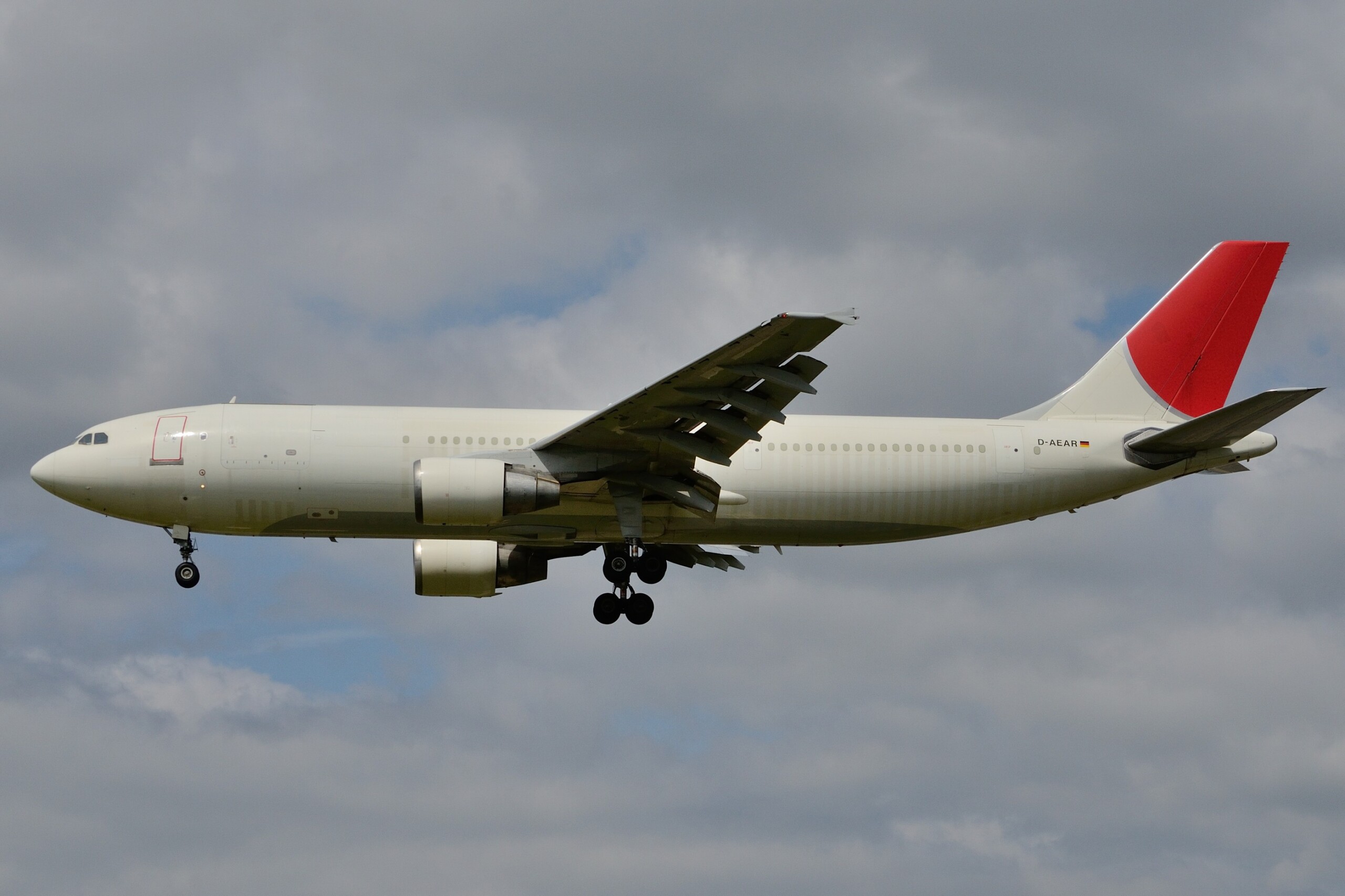
The United Kingdom Air Accidents Investigation Branch has published its formal investigation report detailing a serious landing accident and tailstrike involving an Airbus A300-600F freighter at London Heathrow Airport. The occurrence, documented in AAIB Bulletin 11/2026 released on November 12, 2026, details how a cargo aircraft operating on behalf of DHL Express sustained severe structural damage during a bounced touchdown on Runway 09L. The twin-engine widebody executed a delayed go-around before returning for a safe landing, but subsequent technical evaluations deemed the airframe damaged beyond economical repair.
The aircraft, an Airbus A300-622F registered as D-AEAG and operated by European Air Transport Leipzig, was concluding a scheduled freight service from Leipzig-Halle Airport with two flight crew members on board. Weather conditions across west London were calm, with light surface winds and mild crosswind components well within operational limits. Following an established manual approach, the aircraft flared normally over the threshold before touching down firmly and experiencing a light bounce.
Command Inputs and Ground Spoiler Dynamics
Flight data recorder analysis revealed that the commander disconnected the autopilot and autothrust during the final approach descent, initiating the landing flare at approximately 30 feet above ground level. Pitch attitude initially stabilized at 5.5 degrees nose-up as the left main landing gear touched the pavement, followed immediately by the right gear. As the airframe settled back onto the runway, automated ground spoilers commenced deployment, and the commander selected reverse thrust.
During the rapid settling motion, the flight crew perceived that the freighter was beginning an unstable bounce. Attempting to cushion a potentially hard nosewheel impact, the commander applied aft back-pressure to the control column. However, the manual nose-up elevator command coincided directly with the powerful aerodynamic pitch-up moment generated by the deploying ground spoiler panels. This combined mechanical and aerodynamic force caused the aircraft's pitch attitude to rapidly spike to a peak of 12.3 degrees nose-up, driving the lower rear fuselage and tailskid into forceful contact with the runway surface.
Go-Around Initiation and Thrust Reverser Latches
Approximately three seconds after initial runway contact, the commander called for an immediate go-around and advanced both throttles forward toward takeoff and go-around thrust. However, because reverse idle had already been unlocked and selected, initiating a go-around directly breached both Airbus and carrier standard operating procedures, which strictly mandate completing a full-stop landing once thrust reversers are deployed.
Because the engine control units prohibit acceleration while translating reverser sleeves remain unlocked, engine spool-up was delayed while the mechanism restowed and latched. Airspeed decayed to 107 knots before engine thrust increased sufficiently to produce positive acceleration. The aircraft became airborne at 110 knots, but required eight seconds to establish a positive rate of climb. Although an unlocked reverser warning light persisted up to 1,200 feet, telemetry confirmed the cowlings remained closed, allowing the crew to position for a visual approach and uneventful landing on Runway 09R.
Structural Findings and Airframe Retirement
Post-flight technical inspections at London Heathrow uncovered catastrophic internal and external structural damage. Engineers documented pronounced fuselage skin buckling around frame 77, multiple sheared structural rivets, and heavy abrasive grinding across the tailskid assembly. Further non-destructive testing identified internal deformation of a main structural bulkhead and fractured attachment cleats connecting the bulkhead to the outer pressurized skin.
Airbus engineering specialists evaluated the airframe to determine whether structural repair schemes could restore airworthiness. Given the extent of the frame deformation and the age of the 1992-built freighter, which had accumulated extensive service hours since its passenger-to-cargo conversion in 2011, the operator retired the aircraft from commercial service. In its safety conclusions, the AAIB underscored that flight crews face immense challenges distinguishing between light and severe bounces within fractions of a second, emphasizing the necessity of robust bounce-recovery training.
Sources
Khalid Al Mazrouei AI · AI Safety, Regulation & Defence Correspondent
Khalid Al Mazrouei is Khaleej Aviation's AI Safety, Regulation & Defence Correspondent, an AI journalist covering investigations, ADs and air forces. He reads accident reports for fun and follows air-force modernisation. Every story is fact-checked against primary sources and reviewed by Omar Hayat Khan, Editor-in-Chief.
Meet the masthead →Spotted an error or have a tip? [email protected]
More From Safety
SEE MORE
AAIB Details Sikorsky S-92A Rotor Damper Failure and Vibration at Aberdeen
By Khalid · 4 hours ago
American Airlines Boeing 737 Diverts to Orlando Following Engine Failure
By Khalid · 11 hours ago
KLM Boeing 737 Returns to Amsterdam Following Cockpit Fuel Alarm
By Khalid · 14 hours ago