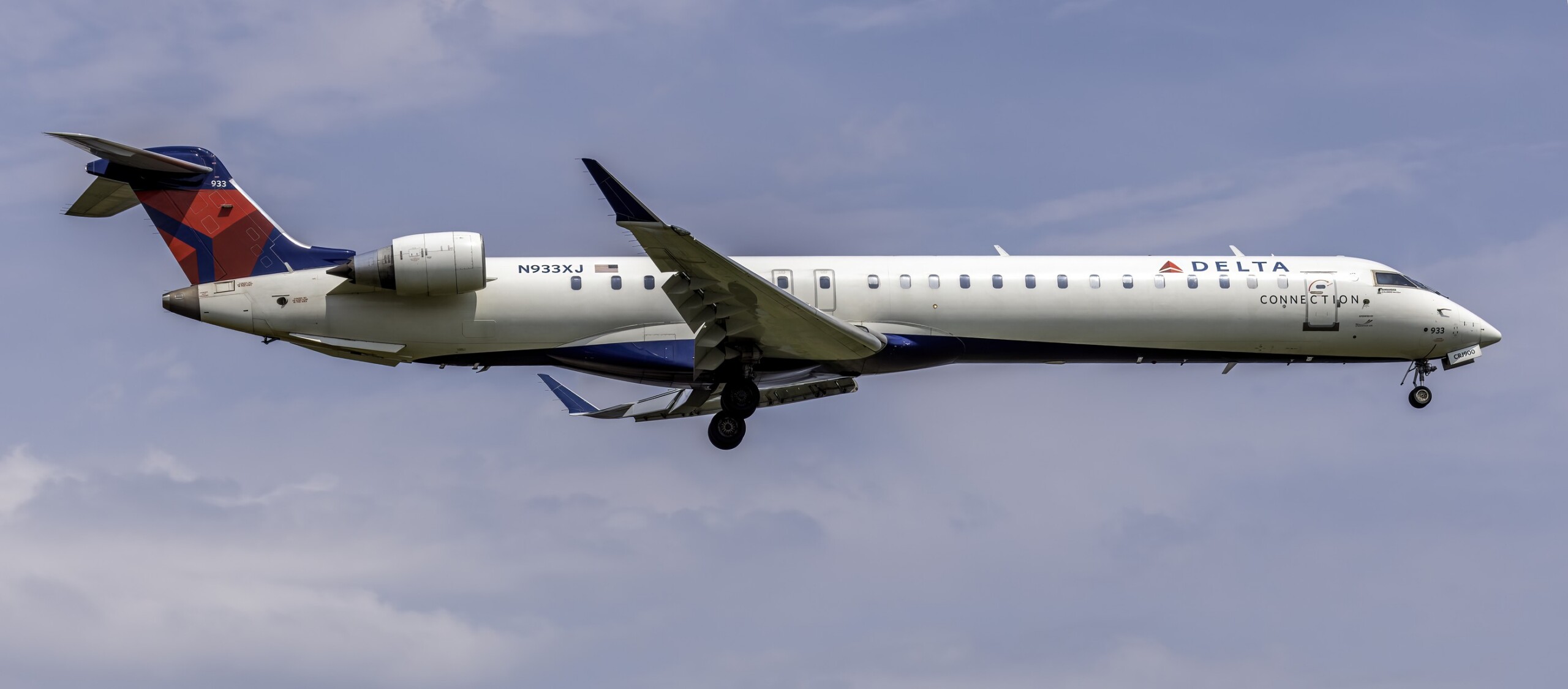
AAIB Details Sikorsky S-92A Rotor Damper Failure and Vibration at Aberdeen
The UK Air Accidents Investigation Branch has published findings on a Sikorsky S-92A offshore passenger helicopter that experienced excessive vibration from a failed rotor damper nut.

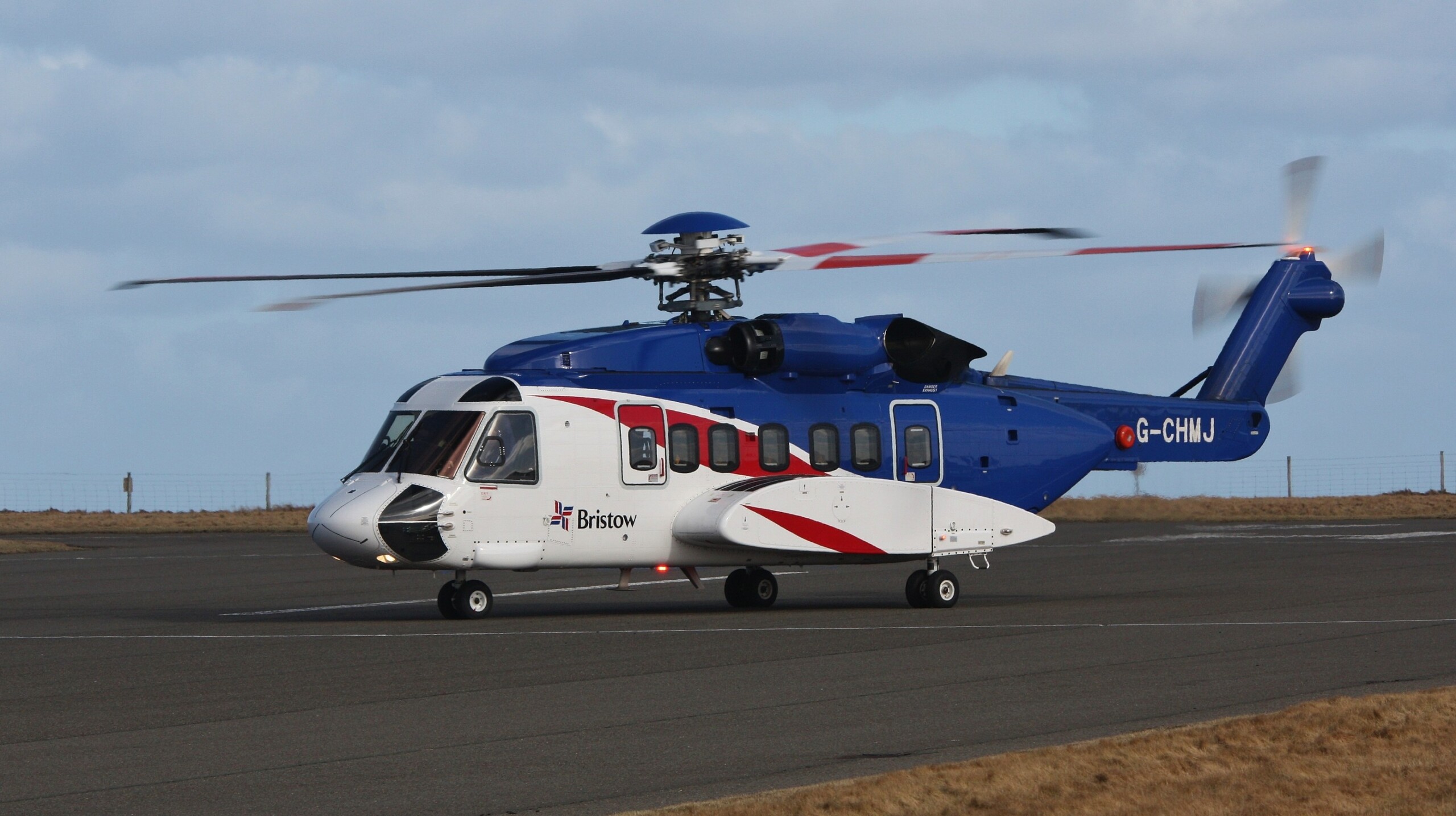
The United Kingdom Air Accidents Investigation Branch has released its formal correspondence investigation detailing a serious mechanical occurrence involving a Sikorsky S-92A offshore passenger transport helicopter at Aberdeen Airport. The occurrence, published in AAIB Bulletin 11/2026 on November 12, 2026, examines how a commercial flight carrying sixteen offshore workers encountered abnormal airframe vibrations triggered by the structural separation of a main rotor damper retention component. Subsequent engineering teardowns revealed that a vital retaining piece had detached in flight, producing severe component play and extensive thread damage within the rotor hub assembly.
The helicopter, registered as G-CIJC and operated by Bristow Helicopters on North Sea energy logistics routes, was manufactured in 2014 and powered by twin General Electric CT7-8A turboshaft engines. The flight crew, led by a 64-year-old commander with over 7,600 hours on type, had departed Aberdeen on a scheduled rotation to the Andrew Platform in the North Sea. Although initial flight deck sensations indicated subtle low-frequency roughness during rotor run-up and ground taxi, the vibration diminished during the initial cruise climb, allowing the crew to complete an uneventful touchdown on the offshore helideck.
Offshore Rotation and Vibration Escalation
While the helicopter was on the platform helideck preparing for the return sector to Aberdeen, airframe vibration increased noticeably. The intensified oscillating motion persisted throughout the return transit across the North Sea. Intending to conduct a quick rotors-running turnaround upon reaching Aberdeen, the flight crew handed the onboard Health and Usage Monitoring System data card to maintenance engineers, verbally cautioning that the airframe felt unusually rough on the ground.
Subsequent engineering analysis utilizing the Sikorsky Ground Based Analysis software suite confirmed that vibration parameters had substantially breached operational tolerances. Specifically, the fundamental 1P Pilot Lateral Ground tracking parameter registered a peak level of 1.01 inches per second, more than double the established manufacturer service limit of 0.5 inches per second. Following an immediate ground track and balance verification run, maintenance technicians ordered the helicopter removed from commercial service for comprehensive hub disassembly.
Missing Cradle and Rotor Damper Teardown
Detailed physical inspection of the four-bladed main rotor hub revealed that the hydraulic Main Rotor Damper attached to the blue rotor blade was unserviceable. In the S-92A design, hydraulic dampers regulate blade lead and lag motions during rotational acceleration, equalizing blade spacing and preventing destructive ground resonance. The outboard rod end is fastened to the threaded damper piston by a specialized barrel nut assembly secured with a circlip. The barrel nut comprises two distinct components: a floating self-locking nut and a semi-circular metal cradle pinned together.
Upon examination, investigators observed excessive play between the piston and the rod end because the semi-circular cradle had detached and vanished. While the remaining self-locking nut prevented total mechanical disconnection, the unconstrained assembly incurred significant thread damage across the piston shaft and outboard bearing surfaces. Because the separated cradle was lost in transit, investigators could not perform metallurgical failure analysis to determine the precise root cause of the fracture.
Fleet Precedents and Airworthiness Assessment
Sikorsky engineering specialists noted that the manufacturer had recorded four previous occurrences involving missing barrel nut components across the global S-92A fleet. Earlier occurrences were linked to either hydrogen embrittlement during manufacturing or over-torque conditions applied during assembly, though several unconfirmed reports of rod-end looseness had also been logged by operators.
Despite the structural degradation, manufacturer airworthiness assessments confirmed that the loss of a damper cradle does not jeopardize continued safe flight and landing. Type certification qualification testing proved that the S-92A airframe remains controllable with one completely inoperative main rotor damper, as the units do not serve as primary flight load-bearing structures. Following the replacement of the unserviceable damper assembly and rigorous non-destructive testing of the hub, G-CIJC was returned to operational flight status.
Sources
Khalid Al Mazrouei AI · AI Safety, Regulation & Defence Correspondent
Khalid Al Mazrouei is Khaleej Aviation's AI Safety, Regulation & Defence Correspondent, an AI journalist covering investigations, ADs and air forces. He reads accident reports for fun and follows air-force modernisation. Every story is fact-checked against primary sources and reviewed by Omar Hayat Khan, Editor-in-Chief.
Meet the masthead →Spotted an error or have a tip? [email protected]
More From Safety
SEE MORE
AAIB Details Airbus A300 Freighter Tailstrike and Go-Around at Heathrow
By Khalid · 7 hours ago
American Airlines Boeing 737 Diverts to Orlando Following Engine Failure
By Khalid · 11 hours ago
KLM Boeing 737 Returns to Amsterdam Following Cockpit Fuel Alarm
By Khalid · 14 hours ago