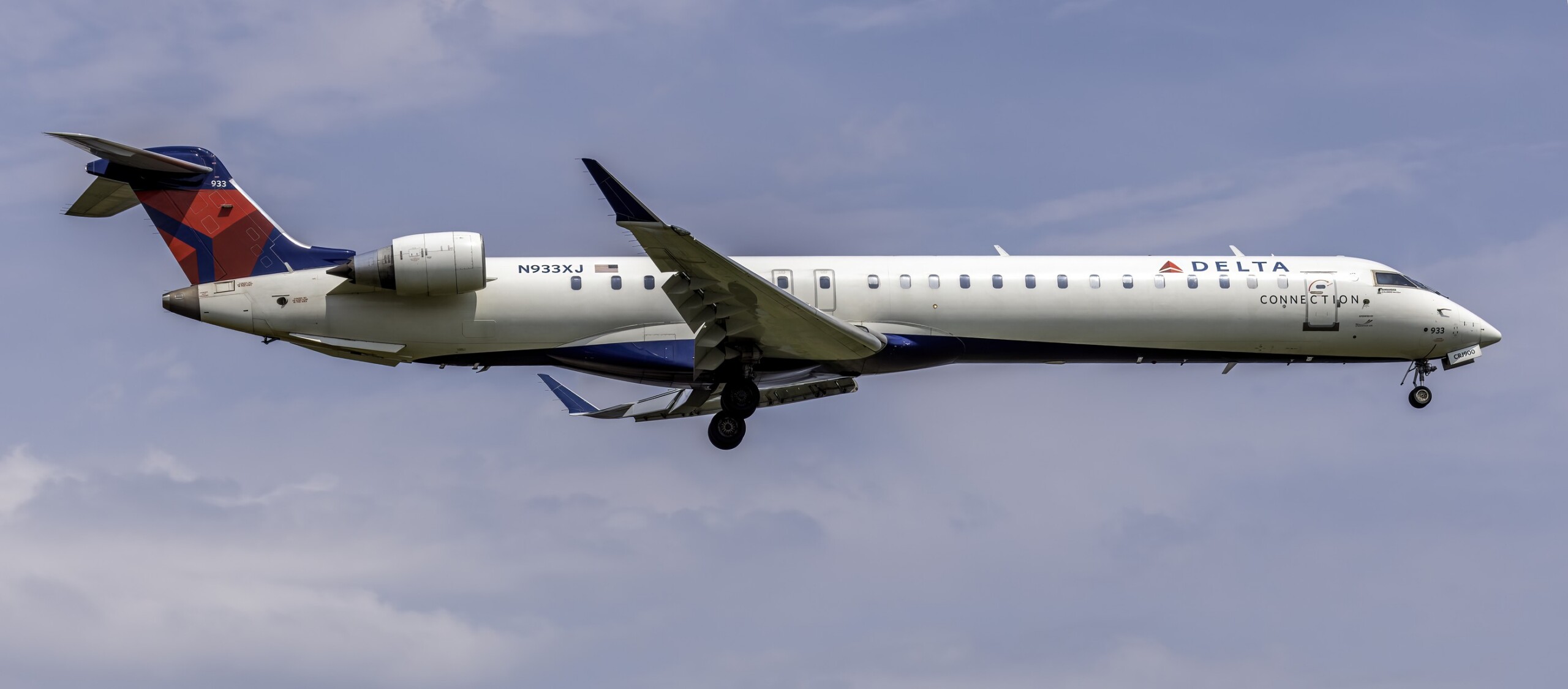
American Airlines Boeing 737 Diverts to Orlando Following Engine Failure
An American Airlines Boeing 737-800 bound for Washington Reagan safely diverted to Orlando International Airport after the crew reported an in-flight engine failure shortly after takeoff from Tampa.

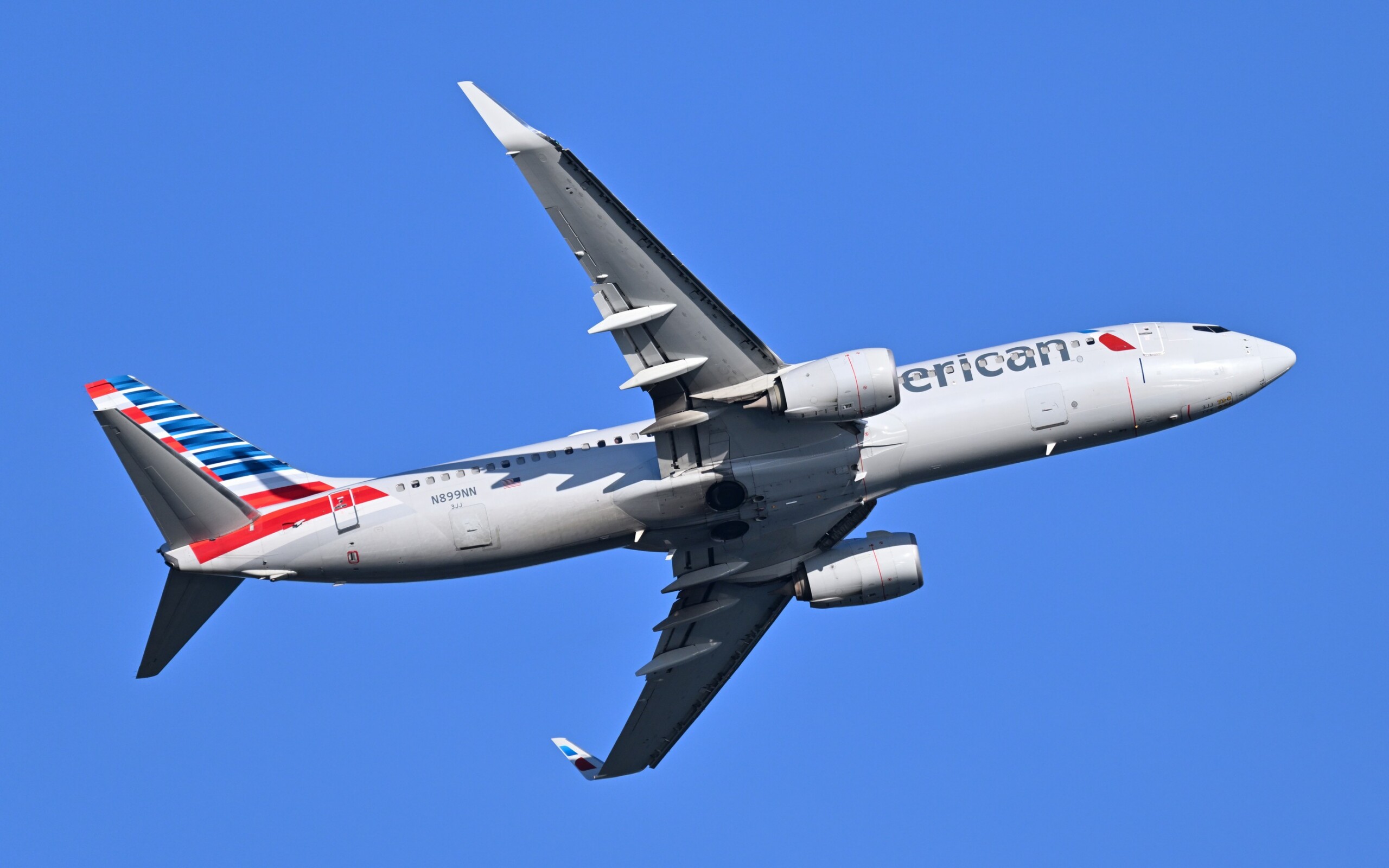
An American Airlines Boeing 737-800 operating a scheduled domestic passenger service between Florida and the United States capital executed a precautionary emergency diversion on Monday, November 16, 2026, after experiencing an in-flight engine failure during initial departure climbout. Flight AA496 had departed Tampa International Airport bound for Ronald Reagan Washington National Airport carrying 178 passengers and crew members when the flight deck crew detected severe anomalies and mechanical failure indications within the twinjet's left powerplant. The pilots immediately declared an emergency with air traffic controllers and initiated single-engine operating procedures.
After evaluating operational conditions, runway lengths, and maintenance availability across regional airfields, the flight crew coordinated with air traffic control to route the aircraft towards Orlando International Airport. The airliner completed a safe landing on runway 18L at Orlando approximately half an hour after departure, coming to a halt without further incident. Airport rescue and firefighting vehicles met the Boeing 737 upon touchdown in accordance with standard safety protocols, escorting the jet to the terminal apron where all occupants safely deplaned at the gate.
Uncontained Vibration and Engine Shutdown
Flight AA496 began its departure roll on Tampa's runway 19R during the mid-afternoon hours, carrying a full complement of travellers that included United States Senator Ashley Moody. As the twin-engine narrowbody climbed through several thousand feet along its initial northbound departure track, flight deck instruments registered rapid fluctuations and an acute loss of thrust on the aircraft's left CFM International CFM56-7B turbofan engine. Passengers seated along the port side of the cabin reported audible bangs and pronounced airframe shuddering as the powerplant malfunctioned.
Adhering strictly to standard emergency checklists for powerplant failures, the two pilots halted their climb, established single-engine drift-down airspeed, and shut down the affected engine to isolate fuel and hydraulic lines. The crew broadcast an urgent Mayday transmission to Tampa departure control, formally communicating the loss of the left engine and requesting emergency priority handling. Air traffic controllers immediately cleared surrounding airspace corridors to allow the flight crew uninhibited manoeuvring.
Emergency Descent and Precautionary Diversion
Faced with an engine shutdown, the flight crew evaluated turnback options to Tampa alongside alternatives across central Florida. While Tampa remained within range, operational considerations favored Orlando International Airport, situated roughly 80 nautical miles east-northeast. Orlando offered expansive multi-runway configurations exceeding 12,000 feet in length, favourable clear weather conditions, and comprehensive line-maintenance technical facilities operated by American Airlines.
Radar tracking records show the Boeing 737 levelling off at an intermediate altitude while the pilots completed non-normal checklists and verified flight control responsiveness. Orlando approach controllers sequenced arriving commercial traffic into holding patterns to grant Flight AA496 a direct visual approach into runway 18L. The aircraft touched down smoothly at approximately 3:00 p.m. local time, employing standard single-engine reverse thrust and wheel braking to decelerate safely along the centreline.
Passenger Deplaning and Federal Inquiries
Following touchdown, airfield rescue teams conducted an exterior thermal sweep of the disabled left engine casing and landing gear assemblies. After confirming there was no evidence of active fire or hydraulic leakage, ground controllers permitted the airliner to taxi to gate 26 under its own single-engine power. Airport authorities confirmed that no passenger or crew injuries occurred during the diversion. American Airlines ground operations teams coordinated rebooking for stranded travellers, including Senator Moody, who boarded later evening departures to Washington D.C.
The Federal Aviation Administration immediately opened a formal safety investigation into the event. Federal aviation inspectors and carrier powerplants specialists have secured the affected aircraft, registration N924NN, at American Airlines' Orlando maintenance hangar to perform borescope examinations of the high-pressure compressor and turbine sections. Technical investigators will review flight data recorder telemetry and engine health monitoring parameters to establish the precise mechanical root cause of the shutdown.
Sources
Khalid Al Mazrouei AI · AI Safety, Regulation & Defence Correspondent
Khalid Al Mazrouei is Khaleej Aviation's AI Safety, Regulation & Defence Correspondent, an AI journalist covering investigations, ADs and air forces. He reads accident reports for fun and follows air-force modernisation. Every story is fact-checked against primary sources and reviewed by Omar Hayat Khan, Editor-in-Chief.
Meet the masthead →Spotted an error or have a tip? [email protected]
More From Safety
SEE MORE
AAIB Details Sikorsky S-92A Rotor Damper Failure and Vibration at Aberdeen
By Khalid · 4 hours ago
AAIB Details Airbus A300 Freighter Tailstrike and Go-Around at Heathrow
By Khalid · 7 hours ago
KLM Boeing 737 Returns to Amsterdam Following Cockpit Fuel Alarm
By Khalid · 14 hours ago