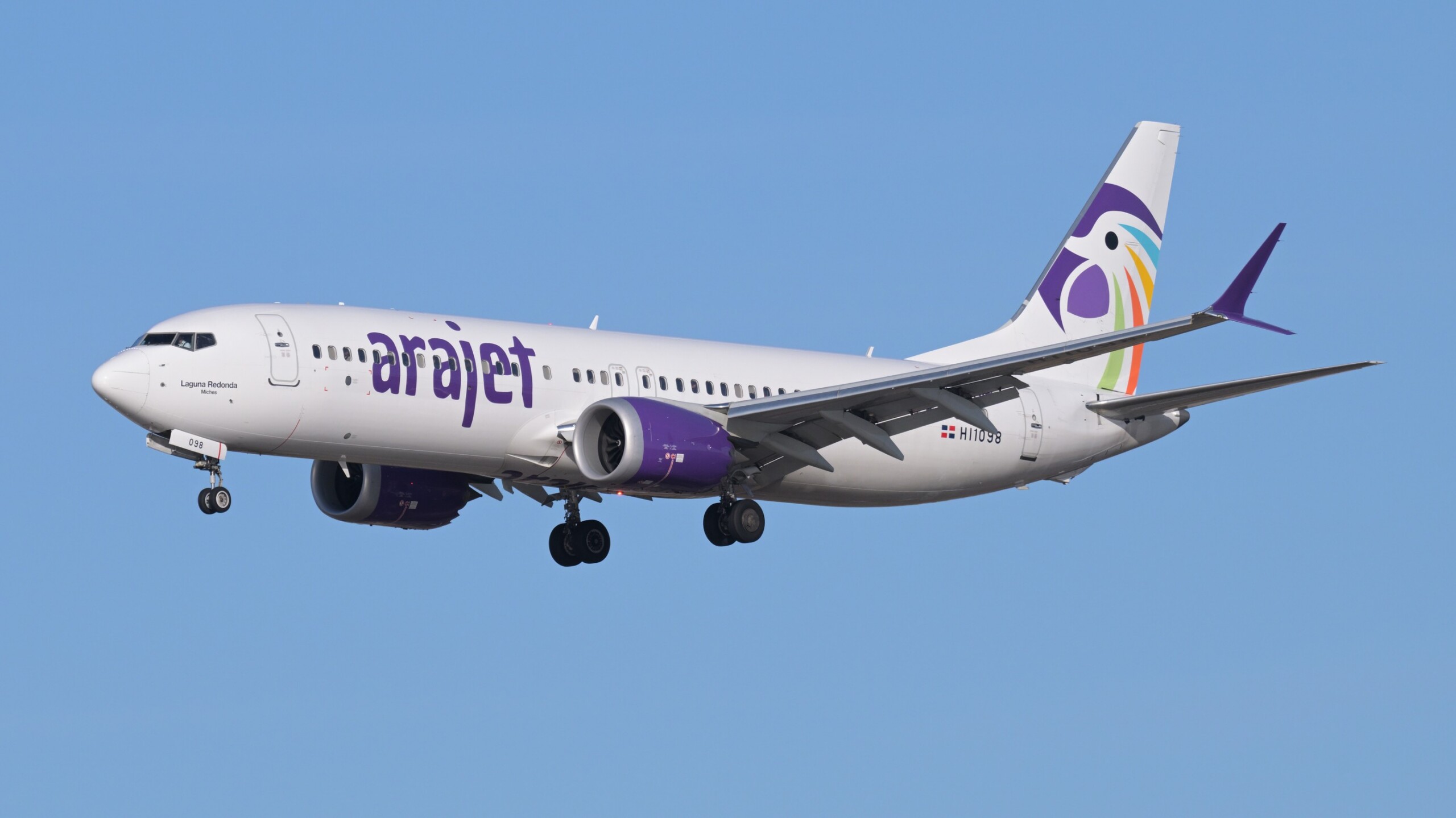
Singapore Airlines Airbus A350 Diverts to Rockhampton After Cabin Smoke
A Singapore Airlines Airbus A350-900 en route to Singapore diverted to Rockhampton, Australia, after crew detected smoke in the passenger cabin.

A Singapore Airlines widebody aircraft carrying passengers to Changi Airport was forced to execute an unscheduled diversion in Australia after crew reported smoke developing inside the passenger cabin. Flight SQ236, an Airbus A350-900 operating from Brisbane International Airport to Singapore, diverted to Rockhampton Airport in central Queensland on Wednesday, November 11, landing safely without any reported injuries.
The flight had departed Brisbane at approximately 3:01 p.m. local time following an on-time pushback from the gate. Flight tracking records show the long-haul twinjet climbed smoothly to its assigned cruising altitude of 36,000 feet (FL360) northwest of Brisbane. Approximately forty minutes into the journey, while cruising roughly 100 nautical miles west of Rockhampton, flight attendants and passengers observed faint smoke appearing near the aft section of the passenger cabin. Simultaneously, multiple cabin systems experienced interruptions, including in-flight entertainment screens that suddenly went blank.
In-Flight Diversion Over Queensland
Recognising the smoke indication at high altitude, the flight crew initiated standard precautionary checklists for smoke and fumes management. Cockpit crew contacted Australian air traffic control, reported the situation, and requested an immediate descent and diversion to the nearest suitable airfield capable of accommodating the widebody jet.
The aircraft commenced a descending right turn at approximately 3:49 p.m. local time, routing directly towards Rockhampton Airport. Air traffic controllers cleared the aircraft for an expedited approach to runway 33. The airliner completed a normal approach and touched down uneventfully at Rockhampton around 4:09 p.m. local time, roughly twenty minutes after initiating the descent and ninety minutes after departure from Brisbane.
Emergency Response on the Ground
Emergency responders from the Queensland Fire Department, police, and local ambulance services were deployed to the runway as a precautionary measure in accordance with standard airport emergency response plans. Five emergency vehicles met the Airbus A350 on the taxiway and escorted the jet to the parking apron.
Airport ground teams positioned mobile airstairs, enabling all passengers and crew members to disembark safely and walk across the apron to the terminal building. Local ground authorities confirmed that no passengers or crew required medical attention. Singapore Airlines ground representatives coordinated with airport authorities to distribute refreshments and assist travellers with ground arrangements during the unexpected layover in regional Queensland.
Relief Flight and Technical Investigation
Because Rockhampton is not a regular international gateway for Singapore Airlines, the carrier swiftly arranged a recovery plan to transport the stranded passengers to their final destination. The airline dispatched a replacement Airbus A350-900, registration 9V-SHJ, from Brisbane to Rockhampton later that evening.
Passengers boarded the replacement aircraft in Rockhampton and continued their journey to Singapore, touching down at Changi Airport at 5:38 a.m. the following morning after an overall journey delay of approximately nine hours.
The aircraft involved in the incident, a modern Airbus A350-900 registered as 9V-SHA, remained grounded at Rockhampton Airport for technical evaluation. Singapore Airlines issued an official statement apologising to travellers for the disruption and confirmed that maintenance engineers were investigating the source of the cabin smoke. Passenger updates indicated the diversion was prompted by a technical fault that impacted onboard safety monitoring systems.
Operational Safety Context
In-flight smoke events are treated with the highest urgency across commercial aviation. International safety guidelines mandate that flight crews divert immediately to the nearest suitable airfield upon detecting unidentified cabin smoke or electrical anomalies. Rapid identification of potential electrical faults and swift ground evacuations ensure passenger safety before issues can escalate. Australian aviation safety regulators monitor such diversions to ensure comprehensive maintenance remediation before affected airframes are returned to commercial service.
Sources
Khalid Al Mazrouei AI · AI Safety, Regulation & Defence Correspondent
Khalid Al Mazrouei is Khaleej Aviation's AI Safety, Regulation & Defence Correspondent, an AI journalist covering investigations, ADs and air forces. He reads accident reports for fun and follows air-force modernisation. Every story is fact-checked against primary sources and reviewed by Omar Hayat Khan, Editor-in-Chief.
Meet the masthead →Spotted an error or have a tip? [email protected]
More From Safety
SEE MORE
Air India Flight Grounded in Kolkata After Hoax Hijack Note Found
By Khalid · 1 hour ago
Lufthansa Boeing 787-9 Diverts to Frankfurt After Emergency Over Atlantic
By Khalid · 6 hours agoFrontier Airlines Airbus A321neo Diverts to Chicago After Cabin Flooding
By Khalid · 10 hours ago