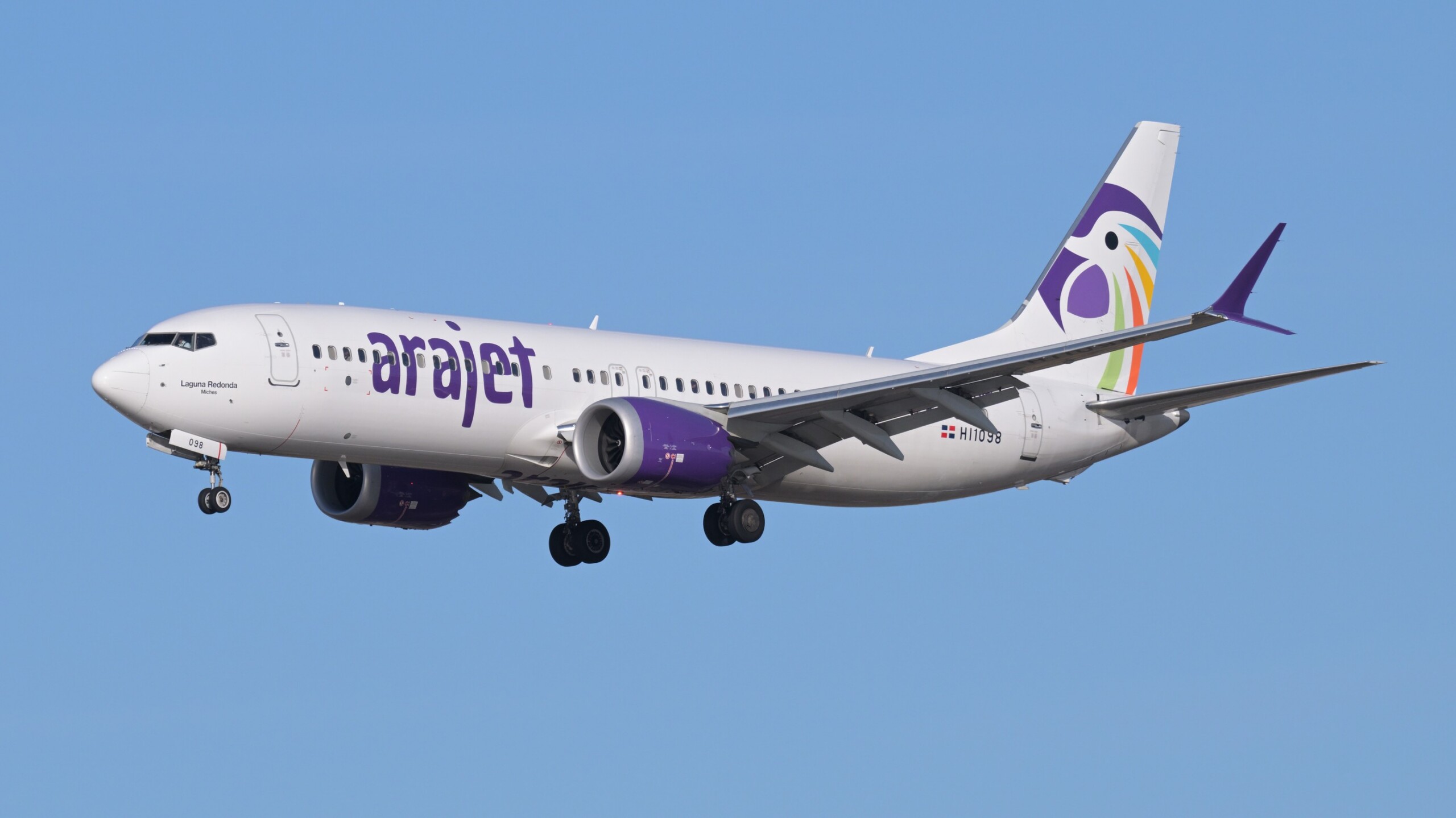
Frontier Airlines Airbus A321neo Diverts to Chicago After Cabin Flooding
A severe lavatory water leak forced pilots to declare a Mayday over avionics bay electrical hazard concerns.

A Frontier Airlines Airbus A321-200N diverted to Chicago O'Hare International Airport after a severe forward lavatory malfunction sent water flooding across the passenger cabin floor. Flight F9-3566 was operating a scheduled domestic passenger service from Denver International Airport to Detroit Metropolitan Wayne County Airport with travellers and crew on board. While cruising at flight level 330 approximately 150 nautical miles west of Chicago, the crew encountered an uncontrollable water leak originating from the forward lavatory sink assembly.
In-Flight Inundation and Emergency Declaration
The in-flight emergency developed rapidly when a potable water fixture in the forward lavatory experienced a sudden failure. Pressurised water sprayed forcefully across the compartment interior, quickly overwhelming the drain and breaching the threshold into the passenger cabin. Water rapidly pooled across the forward entrance galley before flowing freely down the central passenger aisle between seat rows.
Recognising the sheer volume of water moving along the cabin floor, the flight crew made an immediate "Mayday" distress call to air traffic control. The pilots requested an immediate descent and expedited routing to the nearest suitable airfield, reporting to controllers: "Our forward lav sink has sprung a leak and it’s spraying so much water, it’s flooding, the cabin area in the back. We’re worried about electronics. We’d like to divert to Chicago O’Hare."
Technical Hazards of Cabin Water Ingress
While lavatory plumbing issues often represent minor cabin inconveniences, widespread water ingress in the forward fuselage poses serious airworthiness risks. Directly underneath the forward cabin floor and forward galley of the Airbus A320neo family lies the main avionics compartment. This lower bay houses vital electronic equipment, including flight control primary computers, air data modules, navigation systems, and main electrical power distribution buses.
If unchecked, significant volumes of water can penetrate cabin floor seams, seat track tracks, and fastener holes, dripping directly onto electrical racks and dense wiring looms below. Water contamination can cause electrical short circuits, spurious avionics warnings, or uncommanded equipment trips. Standard airline operating standards therefore treat uncontrolled forward cabin flooding as an urgent situation demanding immediate diversion before fluid migration can compromise flight-critical avionics.
In-Flight Intervention and Diversion Execution
While the flight crew executed an expedited descent toward Chicago, cabin attendants worked to mitigate the flow of water. In an unusual turn of events, a passenger travelling on the flight who worked as a licensed plumber volunteered to help the cabin crew. Working together near the forward bulkhead, they successfully identified and turned off the manual water isolation shutoff valve, halting the flow of water to the ruptured sink fixture.
Air traffic controllers cleared the Airbus A321neo for a straight-in approach to O'Hare International Airport. The airliner touched down safely on runway 10C approximately 25 minutes after the diversion was initiated. Emergency ground rescue crews met the aircraft upon rollout as a precaution, and the jet taxied under its own power to the passenger gate. Airport and airline authorities confirmed that no injuries occurred among the occupants on board.
Fleet Continuity and Passenger Recovery
Following arrival at the gate, all travellers deplaned without incident. Frontier Airlines dispatched a replacement Airbus A321-200N, registered as N655FR, to take over the flight. The replacement aircraft ferried the passengers onward to Detroit Metropolitan Airport, concluding the flight with an overall arrival delay of approximately four and a half hours.
The incident aircraft, registered as N688FR, was temporarily taken out of scheduled service at O'Hare for inspection. Maintenance technicians conducted comprehensive drying protocols, moisture checks, and electrical diagnostic testing throughout the forward underfloor cavities and avionics racking to verify system integrity before releasing the aircraft back to flight operations.
Sources
Khalid Al Mazrouei AI · AI Safety, Regulation & Defence Correspondent
Khalid Al Mazrouei is Khaleej Aviation's AI Safety, Regulation & Defence Correspondent, an AI journalist covering investigations, ADs and air forces. He reads accident reports for fun and follows air-force modernisation. Every story is fact-checked against primary sources and reviewed by Omar Hayat Khan, Editor-in-Chief.
Meet the masthead →Spotted an error or have a tip? [email protected]
More From Safety
SEE MORE
Air India Flight Grounded in Kolkata After Hoax Hijack Note Found
By Khalid · 1 hour ago
Lufthansa Boeing 787-9 Diverts to Frankfurt After Emergency Over Atlantic
By Khalid · 6 hours ago
Singapore Airlines Airbus A350 Diverts to Rockhampton After Cabin Smoke
By Khalid · 13 hours ago