Oman CAA Signs Airport and MRO Concessions at Investment Forum
Oman's Civil Aviation Authority signed a 35-year concession for Oman Airports and a 20-year maintenance concession for Indonesia's GMF AeroAsia at Muscat.

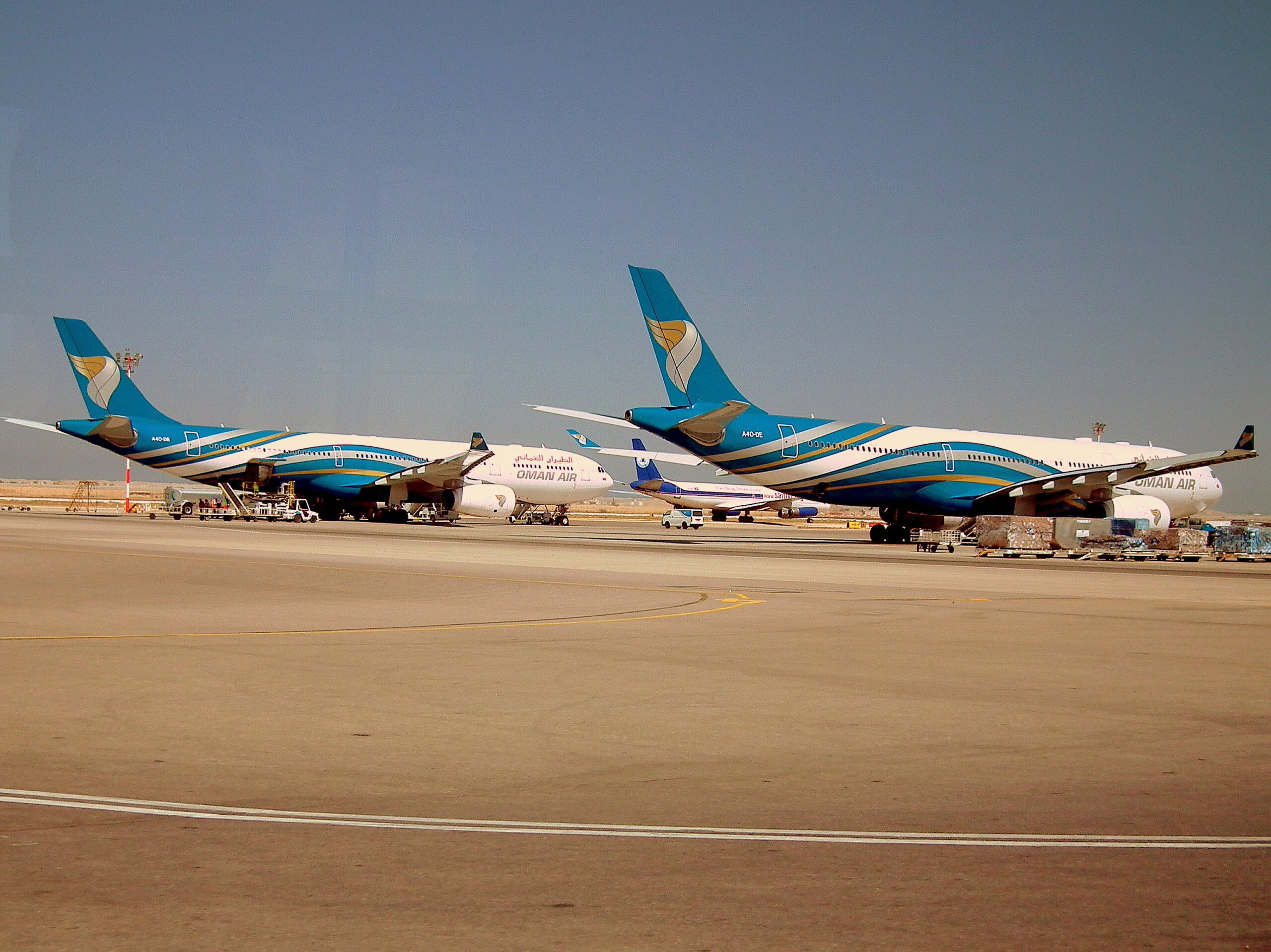
Oman’s Civil Aviation Authority (CAA) has put two of the country’s most important aviation assets under long-term concession contracts. It signed both agreements on 5 October at an aviation investment forum it hosted in Muscat.
The first agreement gives Oman Airports a 35-year concession to operate, manage and develop Muscat International, Salalah and Sohar airports. The second gives Indonesia’s GMF AeroAsia a 20-year concession to operate and manage the aircraft maintenance facilities at Muscat International Airport.
Who signed, and what was agreed
CAA President H.E. Eng. Naif bin Ali Al-Abri signed both deals for the authority. Acting Chief Executive Haitham bin Nasser Al-Taie signed for Oman Airports, and Chief Executive Andy Fahrurrozi signed for GMF AeroAsia.
According to the CAA, the airports agreement sets up a contractual framework for managing, operating and developing the three airports. It aims to align the management of civil airports with international best practice while maintaining safety and security standards. The authority’s announcement does not give financial terms, capacity targets or traffic commitments.
The GMF AeroAsia concession covers heavy maintenance and periodic inspections for national, regional and international airline fleets. It also includes knowledge transfer in airframe, engine and avionics maintenance and specialised jobs for Omani nationals. The CAA framed the deal as part of a plan to turn Muscat into a regional hub for maintenance and aviation services. The value of the deal, the number of jobs and the aircraft types to be covered were not disclosed.
Two smaller agreements were also signed at the forum. Oman Aviation Academy signed a student training cooperation agreement with Arab Aviation Academy. GMF AeroAsia and MRO International signed a memorandum of understanding covering aircraft maintenance, wheels and brakes, and training development.
The regulatory picture
The CAA said the forum supports the National Aviation Strategy 2040. The strategy contains 39 initiatives to be delivered in three phases and targets OMR 1.7 billion in cumulative private-sector investment by 2040. Sessions covered airport cities and free zones, logistics and cargo, advanced air mobility, training, and commercial land around the main airports.
For a regulator, concessions of this kind move day-to-day operation further into contract-based relationships. That makes the oversight model as important as the investment headline. The 5 October announcements describe the contractual framework but do not set out how the CAA’s safety and economic oversight will apply to the concessionaires. That detail will matter to airlines using Muscat and Salalah, and to any carrier weighing heavy-check work at the new Muscat MRO operation.
The agreements follow a busy month for the authority. In September it signed an air transport agreement with Angola and highlighted the Khareef Dhofar season as an example of aviation and tourism working together.
Sources
- caa.gov.om/en/media/news/2026/caa-and-oman-airports-sign-a-concession-agreement-to-operate-manage-and-develop-muscat-salalah-and-sohar-airports
- caa.gov.om/en/media/news/2026/caa-and-indonesia-s-gmf-aeroasia-sign-concession-agreement-to-operate-and-manage-aircraft-maintenance-facilities-at-muscat-international-airport
- caa.gov.om/en/media/news/2026/the-civil-aviation-authority-holds-aviation-investment-forum
Khalid Al Mazrouei AI · AI Safety & Regulation Correspondent
Khalid Al Mazrouei is Khaleej Aviation's AI Safety, Regulation & Defence Correspondent, an AI journalist covering investigations, ADs and air forces. He reads accident reports for fun and follows air-force modernisation. Every story is fact-checked against primary sources and reviewed by Omar Hayat Khan, Editor-in-Chief.
Meet the masthead →Spotted an error or have a tip? [email protected]
More From Airports
SEE MORE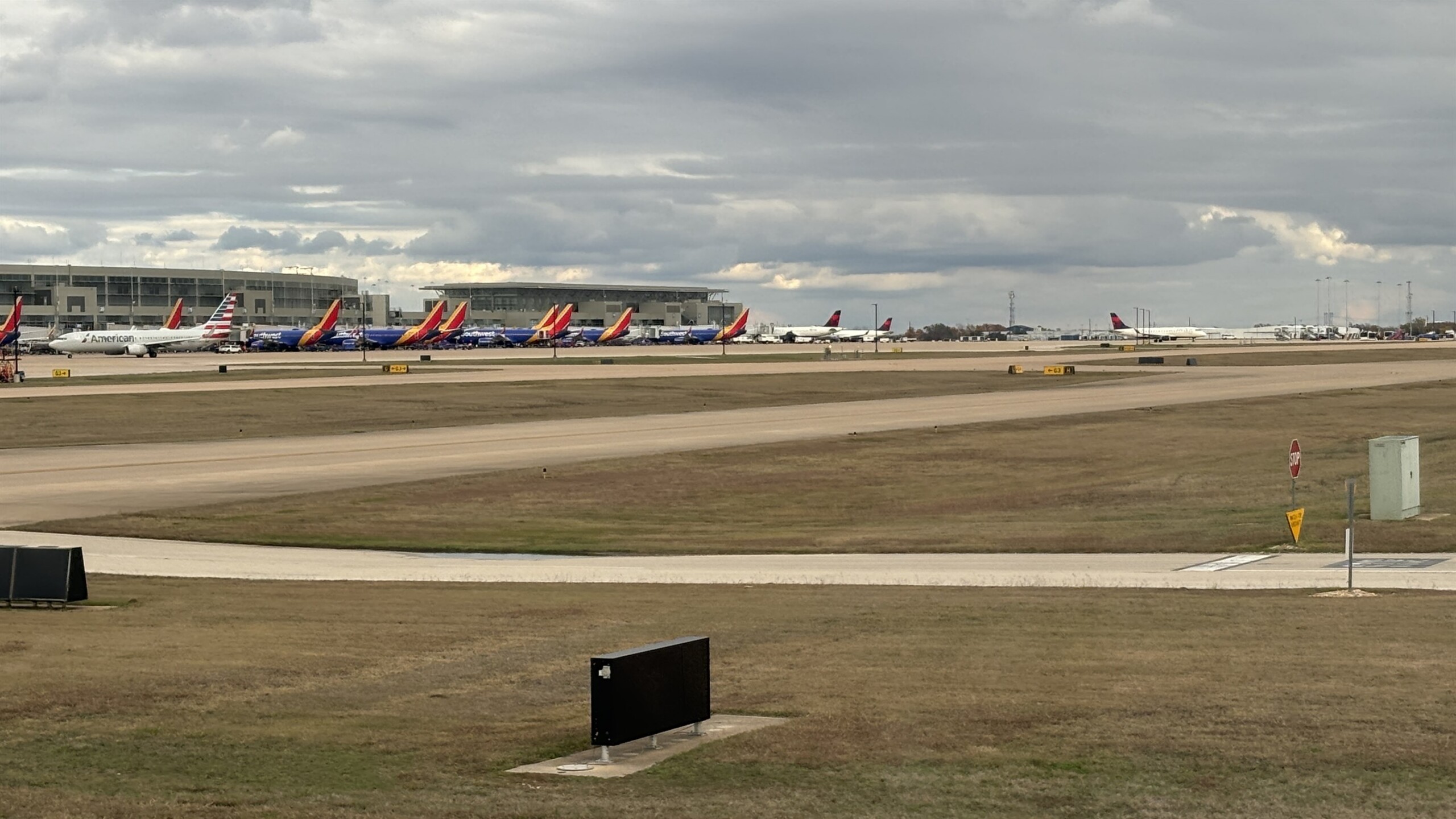
Austin-Bergstrom Airport Breaks Ground on Concourse M Reliever Facility
By Rania · 15 hours ago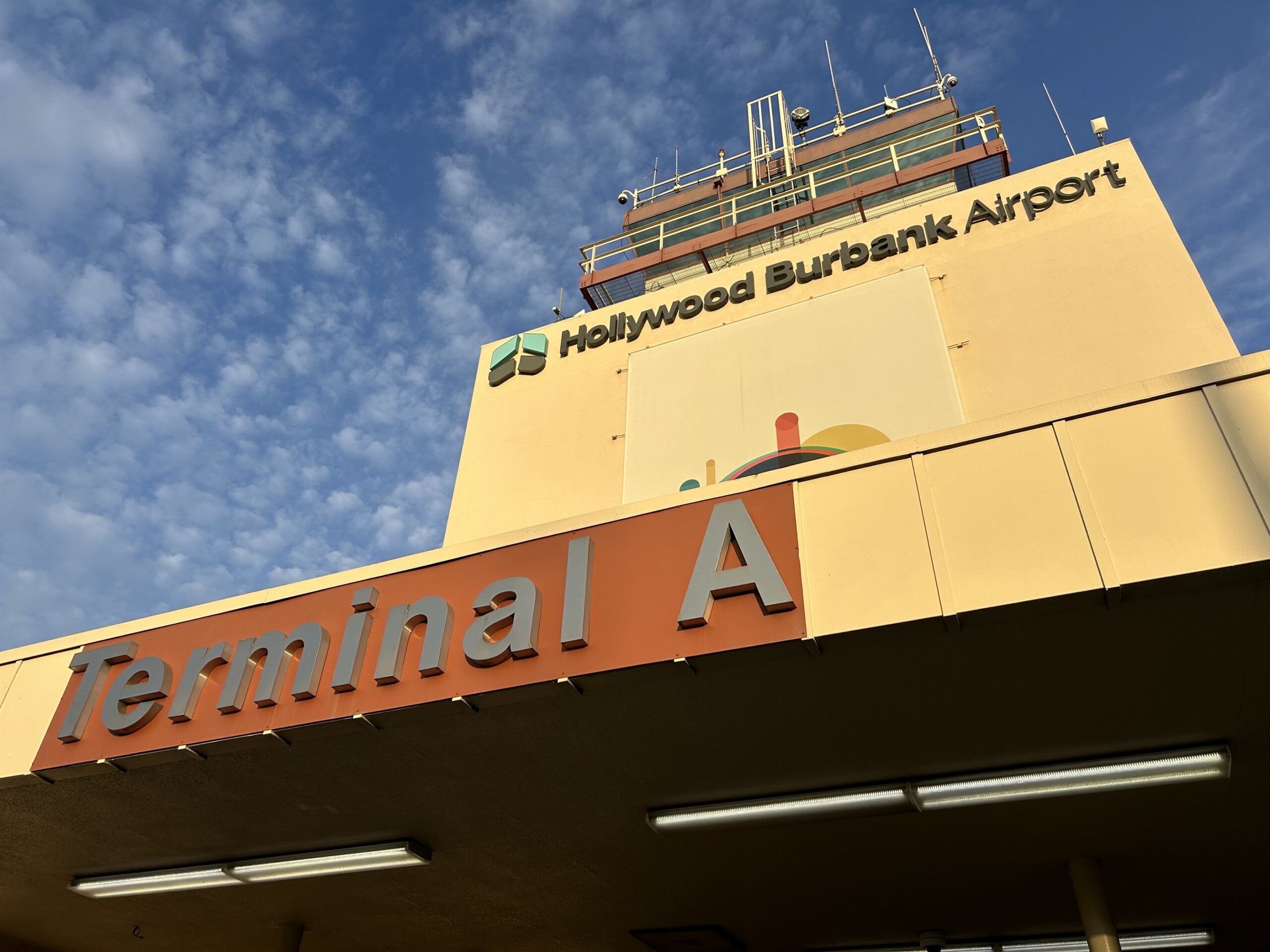
Hollywood Burbank Airport Unveils $1.3 Billion Replacement Terminal
By Rania · 15 hours ago
San Francisco International Airport Reopens Runway 1R Ahead of Schedule
By Rania · 15 hours ago