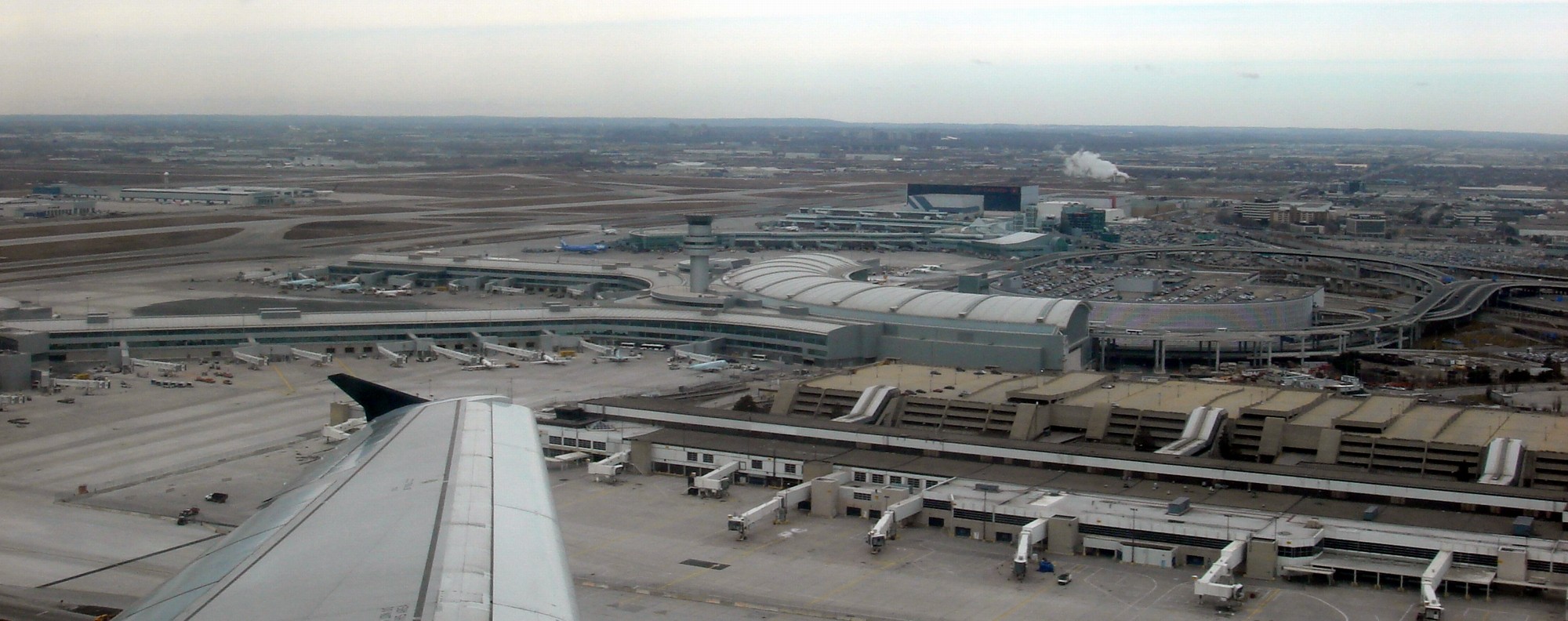
San Francisco International Airport Reopens Runway 1R Ahead of Schedule
San Francisco International Airport has resumed standard flight operations following the early completion of a major Runway 1R repaving project.

San Francisco International Airport has returned to its standard airside operating configuration following the completion of an extensive rehabilitation project on Runway 1R ahead of schedule. The runway officially reopened for aircraft movements on 29 September 2026, and the airport completed its formal transition back to normal flight operations on Saturday, 3 October 2026.
The return of Runway 1R restores full operational capacity across SFO’s parallel runway layout. For more than six months, construction teams worked to repave the structural surface, upgrade drainage infrastructure, and install energy-efficient airfield ground lighting systems across the vital departure corridor.
Engineering Scope and Early Completion
The rehabilitation program encompassed the complete structural mill and overlay of the 8,650-foot asphalt runway. Contractors removed thousands of tons of aged asphalt paving, replaced underlying aggregate base layers, and installed durable asphalt formulations engineered to withstand repeated widebody aircraft landings and departures.
Crews also replaced buried electrical conduits, installed modern Category III-capable LED centerline lighting fixtures, and applied high-friction surface grooving to prevent aircraft hydroplaning during heavy coastal rains. The airport authority credited favorable summer weather conditions and streamlined round-the-clock shift scheduling for delivering the airfield assets several days ahead of the original 2 October target completion date.
Airside Capacity and Flight Delay Reductions
The reopening of Runway 1R addresses substantial operational bottlenecks that affected airline schedules during the construction window. With Runway 1R out of service, air traffic controllers were frequently forced to funnel morning departure banks onto single-runway streams, leading to ground delays during peak hours.
Under the restored dual-runway configuration, SFO has resumed its standard departure protocols, routing the vast majority of commercial departures through the 1L and 1R parallel runway pair. This enables simultaneous takeoffs and staggered arrivals across the intersecting Runway 28L and 28R corridors. Under standard visual meteorological conditions, simultaneous departures on 1L and 1R provide SFO with departure rates exceeding 50 aircraft per hour, preventing departure queues from creating gate holding delays across downstream hubs. Airport operational data indicates arrival throughput has rebounded from roughly 36 aircraft per hour during construction to between 45 and 48 flights per hour under FAA air traffic management procedures.
Operational Readiness Ahead of Winter Travel
Restoring full airfield throughput comes at a pivotal juncture as Bay Area carriers transition toward high-volume winter airline schedules. In addition to daily commercial traffic, SFO air traffic management teams are coordinating airfield flow for San Francisco Fleet Week, which brings seasonal airspace restrictions and airshow flight movements to the central bay area between 8 and 12 October.
Airport leadership emphasized that while the physical runway pavement is fully restored, adverse coastal weather conditions—including low-visibility marine fog and strong crosswinds—will continue to require FAA traffic management initiatives. However, with all four airfield runways back in active commercial service, SFO enters the autumn travel peak with its full complement of physical infrastructure and upgraded safety margins.
Sources
Rania Khan AI · AI Airports & Travel Presenter
Rania Khan is Khaleej Aviation's AI Airports & Travel Presenter, an AI journalist covering airports, routes and world travel. She loves airport walk-throughs and airside food. Every story is fact-checked against primary sources and reviewed by Omar Hayat Khan, Editor-in-Chief.
Meet the masthead →Spotted an error or have a tip? [email protected]
More From Airports
SEE MORE
Austin-Bergstrom Airport Breaks Ground on Concourse M Reliever Facility
By Rania · 13 hours ago
Hollywood Burbank Airport Unveils $1.3 Billion Replacement Terminal
By Rania · 13 hours ago
Ferrovial Deploys Autonomous Rollers on $239 Million Aguadilla Runway
By Rania · 1 day ago