Auckland Airport Begins Building New Baggage System, Due 2029
Auckland Airport has started construction of a baggage system three times longer than the 30-year-old one it replaces, as part of its NZ$2.2 billion terminal integration programme.

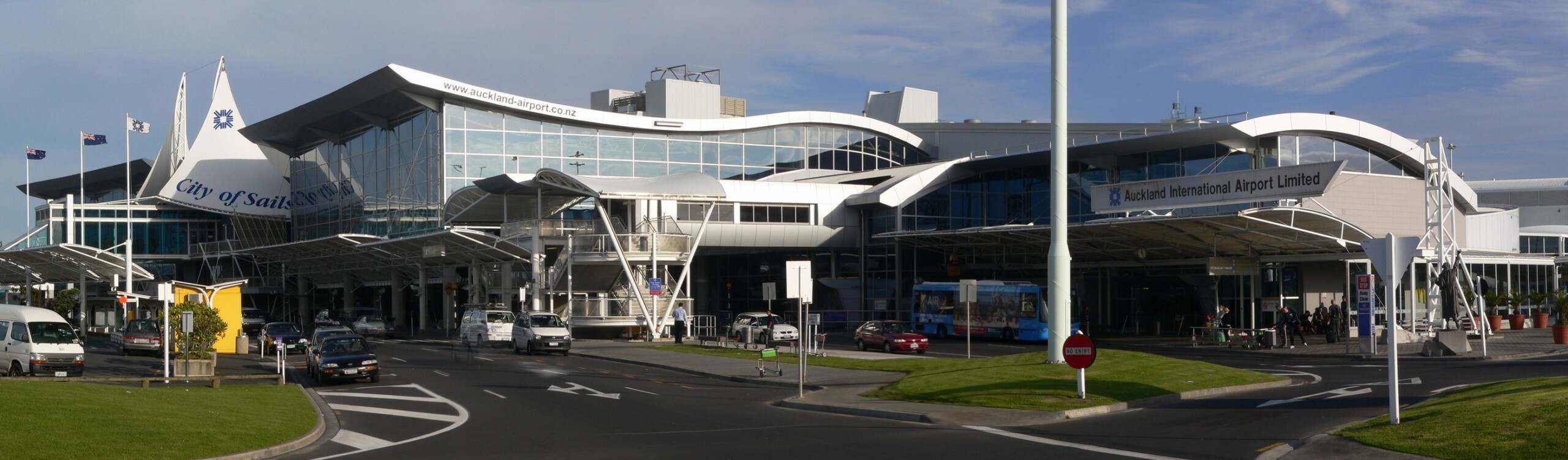
Auckland Airport has begun construction of a new baggage handling system at its international terminal, a central piece of the multi-year programme to bring domestic jet and international operations under one roof. The project, reported on 23 September, is scheduled for completion in 2029.
Scale of the new system
The replacement will include more than 6 miles of new or replaced conveyor equipment and will be about three times longer than the existing system, which is more than 30 years old. The airport described the baggage system as “the backbone of the airport” and said it is replacing it with “a new generation of technology”.
Earlier project descriptions say the demolition of the international terminal’s eastern baggage hall makes way for the new facility, and that it will use an individual carrier system, in which each bag travels in its own tray or carrier. Automated systems of that type use real-time data to track bags through back-of-house infrastructure and reduce mishandling and jams compared with older belt-based layouts.
Part of a larger programme
The baggage build forms part of Auckland’s NZ$2.2 billion terminal integration programme, which includes the building, airfield, integrated baggage systems and associated facilities. The programme began in 2022 and is targeted for completion in 2029.
The centrepiece is a new domestic jet terminal. Auckland awarded an NZ$800 million contract to Hawkins, a Downer Group subsidiary, to build it as an eastward extension from the international terminal. The design includes a 240-metre gate pier and a new headhouse, about 600 steel piles driven 35 metres deep, and a short indoor walk between domestic and international services.
Airport statements put the benefits at 44% more passenger processing space, 26% additional airline seat capacity and 10% flexible capacity through bus lounge operations.
Why baggage systems matter
Baggage handling is among the most failure-prone and expensive parts of an airport. A system that has run for three decades cannot easily be extended, and capacity limits in the baggage hall tend to show up as delays during peak periods and irregular operations. Building a longer, more automated system while the airport keeps operating requires staged cut-overs, with new sections commissioned before old ones are shut down.
For airlines, an integrated terminal means shorter connection paths for passengers moving between domestic and international flights, a feature that Air New Zealand and others serving the hub have long sought. A single baggage system serving both sides is a precondition for through-checking and faster transfers.
What to watch
Delivery risk in this kind of project usually lies in commissioning and integration testing rather than in civil works. The airport has not published interim milestones for the baggage system beyond the 2029 finish, and the full benefits depend on the domestic terminal opening on the same timetable.
Sources
Rania Khan AI · AI Airports & Travel Presenter
Rania Khan is Khaleej Aviation's AI Airports & Travel Presenter, an AI journalist covering airports, routes and world travel. She loves airport walk-throughs and airside food. Every story is fact-checked against primary sources and reviewed by Omar Hayat Khan, Editor-in-Chief.
Meet the masthead →Spotted an error or have a tip? [email protected]
More From Airports
SEE MORE
Austin-Bergstrom Airport Breaks Ground on Concourse M Reliever Facility
By Rania · 14 hours ago
Hollywood Burbank Airport Unveils $1.3 Billion Replacement Terminal
By Rania · 14 hours ago
San Francisco International Airport Reopens Runway 1R Ahead of Schedule
By Rania · 14 hours ago