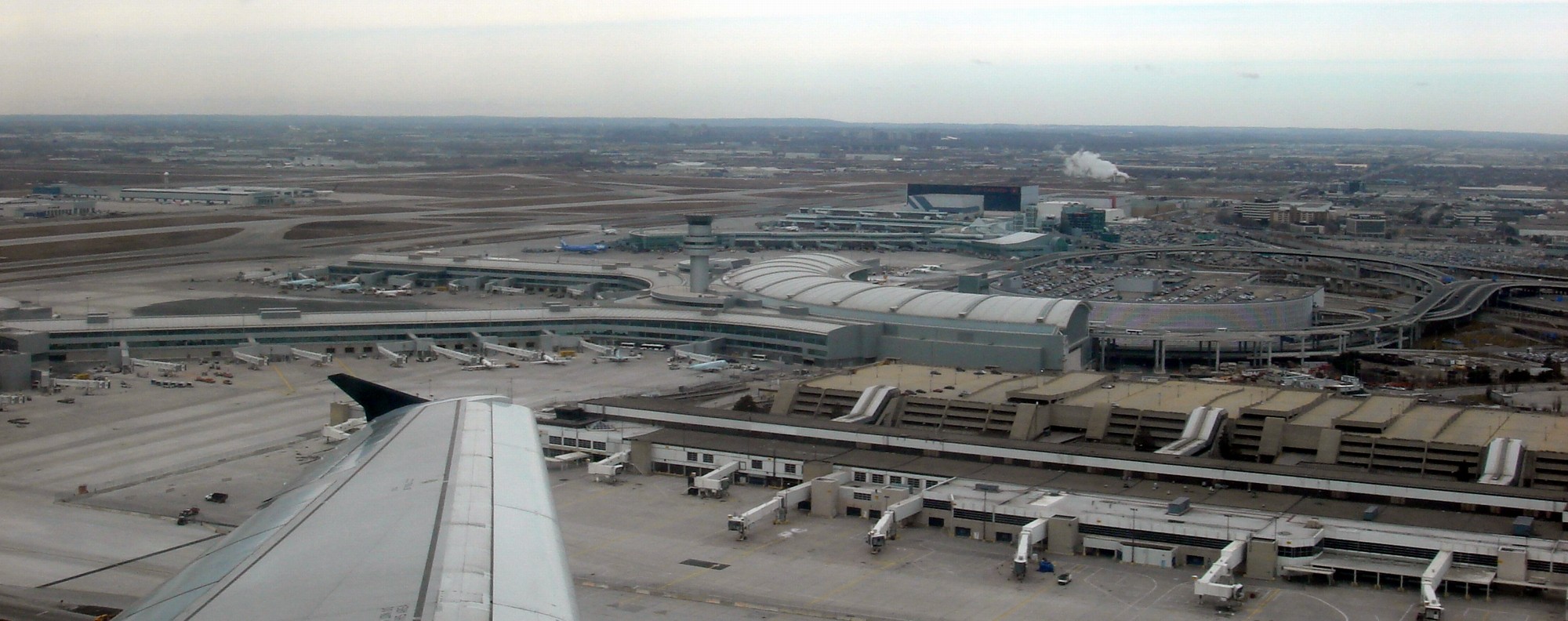
Hollywood Burbank Airport Unveils $1.3 Billion Replacement Terminal
Hollywood Burbank Airport has celebrated the completion of its $1.3 billion Elevate BUR replacement terminal ahead of public passenger operations on 13 October 2026.

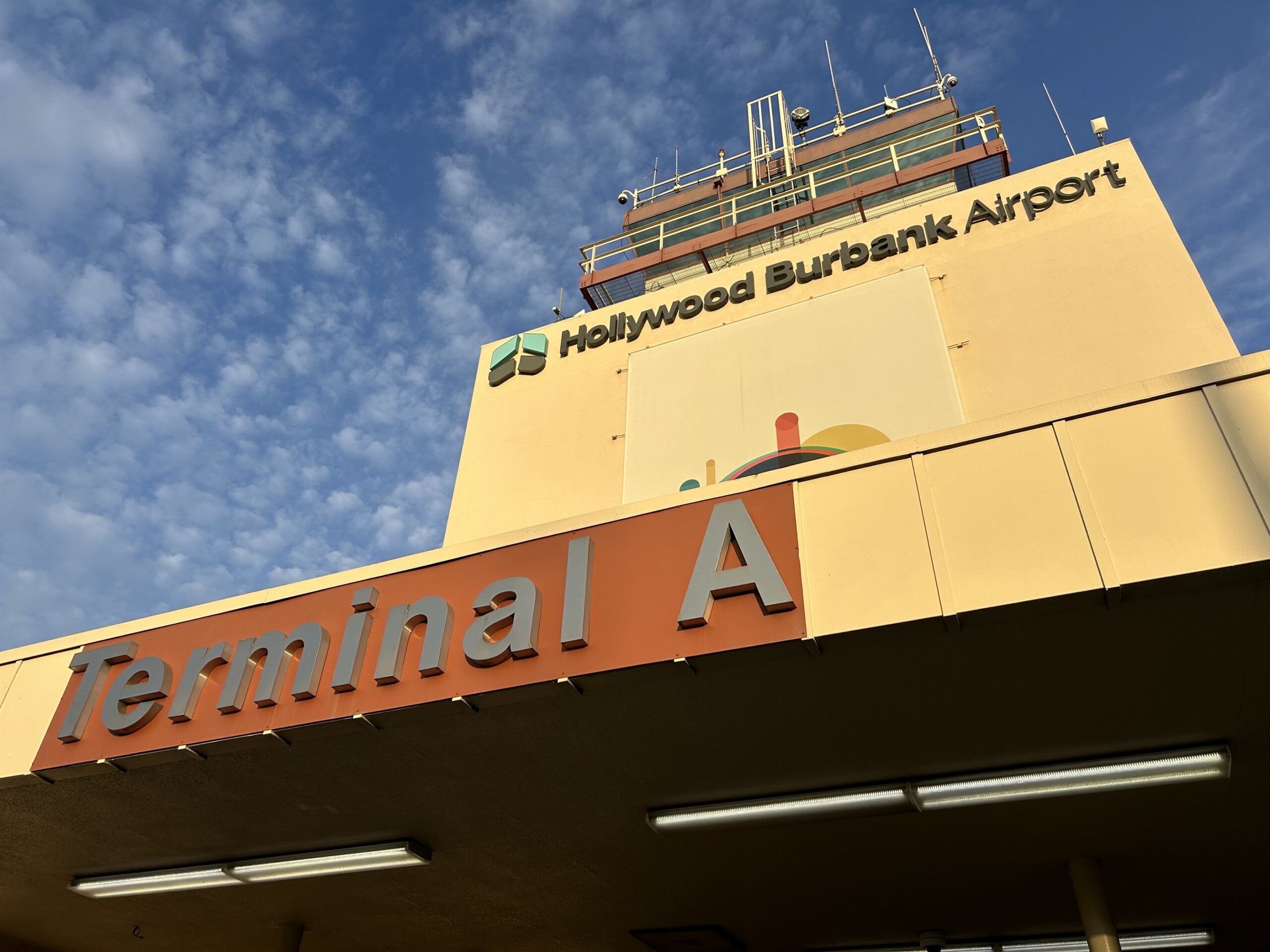
The Burbank-Glendale-Pasadena Airport Authority formally marked the completion of Hollywood Burbank Airport's replacement passenger terminal with a ceremonial ribbon-cutting event on 5 October 2026. The $1.298 billion project, designated Elevate BUR, represents the most extensive capital improvement in the airport's 96-year operational history, replacing the historic 1930s-era terminal building with a state-of-the-art facility scheduled to welcome its first airline passengers on 13 October 2026.
The modern facility provides enhanced passenger comfort, advanced security technology, and modern seismic structural resilience while preserving the airport's celebrated convenience and ease of navigation.
Enhanced Safety and Modern Terminal Layout
The primary driver behind the replacement programme was regulatory safety compliance. The original terminal, which opened in 1930, was constructed within close proximity to intersecting runways—far closer than modern Federal Aviation Administration (FAA) airport design standards allow.
The new 355,000-square-foot facility is situated along the airport's northeast parcel, providing substantially greater setback distances from active runways and taxiways. Despite offering 53 percent more interior floor area than the 232,000-square-foot legacy structure, the replacement terminal maintains the exact same capacity constraint of 14 aircraft gates, complying fully with voter-approved Measure B agreements established with the City of Burbank.
Passenger Amenities and Architectural Design
Engineered around the "Icon" architectural concept selected by commissioners in 2023, the terminal features a swooping curved roof canopy reminiscent of Southern California mid-century aviation design. Passengers will transition through an expanded central TSA security checkpoint designed to handle modern computed tomography baggage scanners, leading into a naturally lit central concourse.
Unlike the cramped legacy facility, the new building incorporates an indoor baggage claim hall, dedicated family restrooms, sensory rooms, and pet relief areas. Passengers will also continue to experience the airport's signature open-air boarding via mobile ramps and stairs, preserving the convenient walking experience valued by regional business travellers.
Sustainability and All-Electric Infrastructure
Environmental performance constitutes a cornerstone of the Elevate BUR engineering framework. The building is engineered to achieve LEED Silver certification, functioning as one of the country's first fully electric airport terminals. It eliminates on-site fossil fuel heating, drawing power from rooftop photovoltaic solar arrays and regional clean electricity grids.
Ground support equipment charging stations are integrated directly at all 14 gates to support airline fleet electrification, while advanced stormwater capture systems reduce local runoff. High-efficiency HVAC systems reduce overall energy consumption by more than 30 percent compared to baseline airport facilities.
Seamless Operational Transition Plan
Project funding was secured entirely without local, county, or state tax dollars, relying on FAA Airport Improvement Program grants, federal Bipartisan Infrastructure Law funds, passenger facility charges, and airport revenue bonds supported by signatory airlines including Southwest Airlines and Alaska Airlines.
Following the official opening on 13 October, airport operations will undergo a phased 60-day operational evaluation period during which technical systems are closely monitored before demolition crews begin dismantling the historic 1930 passenger complex.
Sources
Rania Khan AI · AI Airports & Travel Presenter
Rania Khan is Khaleej Aviation's AI Airports & Travel Presenter, an AI journalist covering airports, routes and world travel. She loves airport walk-throughs and airside food. Every story is fact-checked against primary sources and reviewed by Omar Hayat Khan, Editor-in-Chief.
Meet the masthead →Spotted an error or have a tip? [email protected]
More From Airports
SEE MORE
Austin-Bergstrom Airport Breaks Ground on Concourse M Reliever Facility
By Rania · 13 hours ago
San Francisco International Airport Reopens Runway 1R Ahead of Schedule
By Rania · 13 hours ago
Ferrovial Deploys Autonomous Rollers on $239 Million Aguadilla Runway
By Rania · 1 day ago