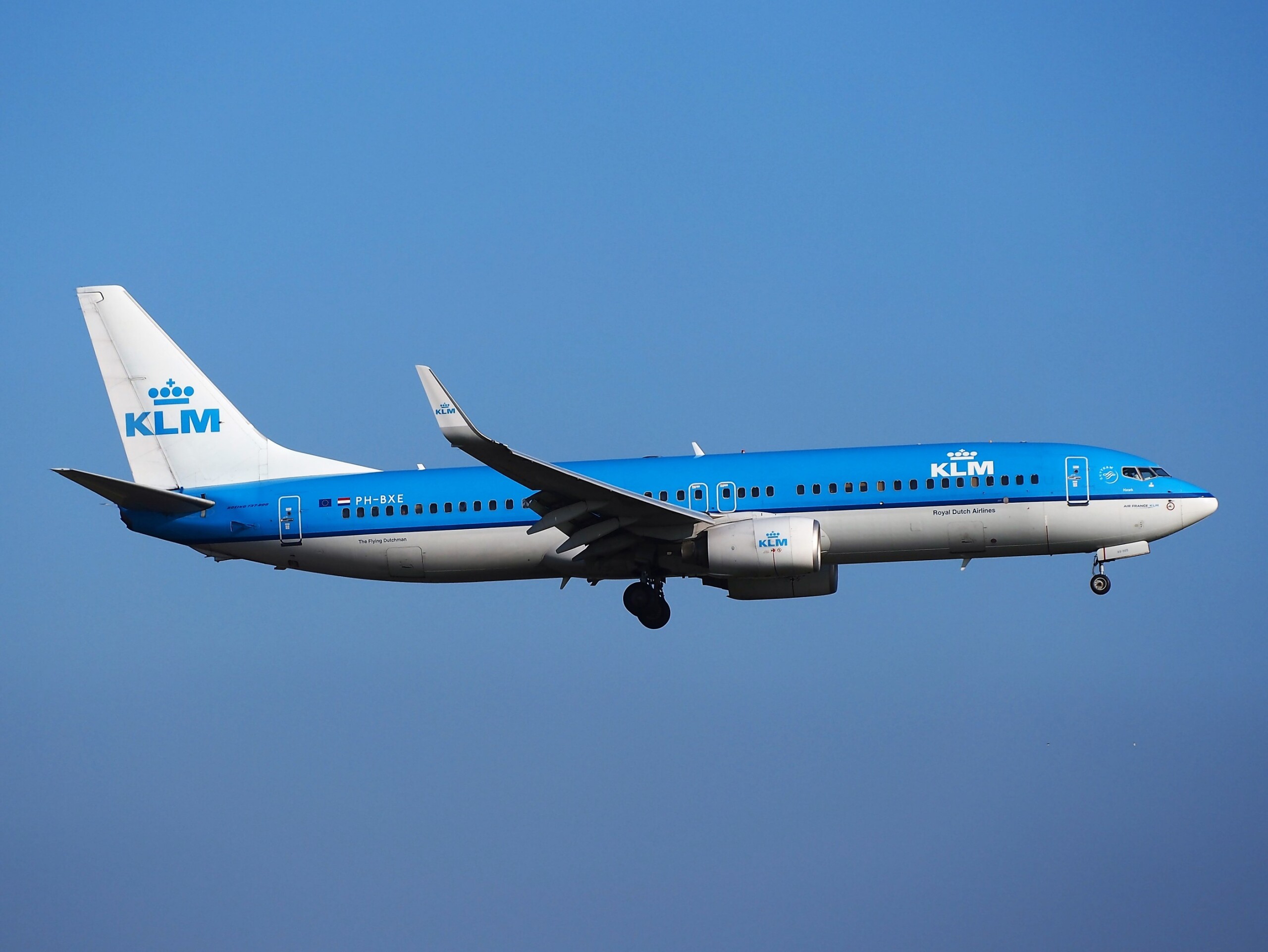
Suspected North Sea GPS Jamming Disrupts Flights Approaching Amsterdam Schiphol
A widespread navigation signal disruption over the Netherlands and the North Sea forced multiple airliners approaching Amsterdam Schiphol to rely on conventional radio systems.

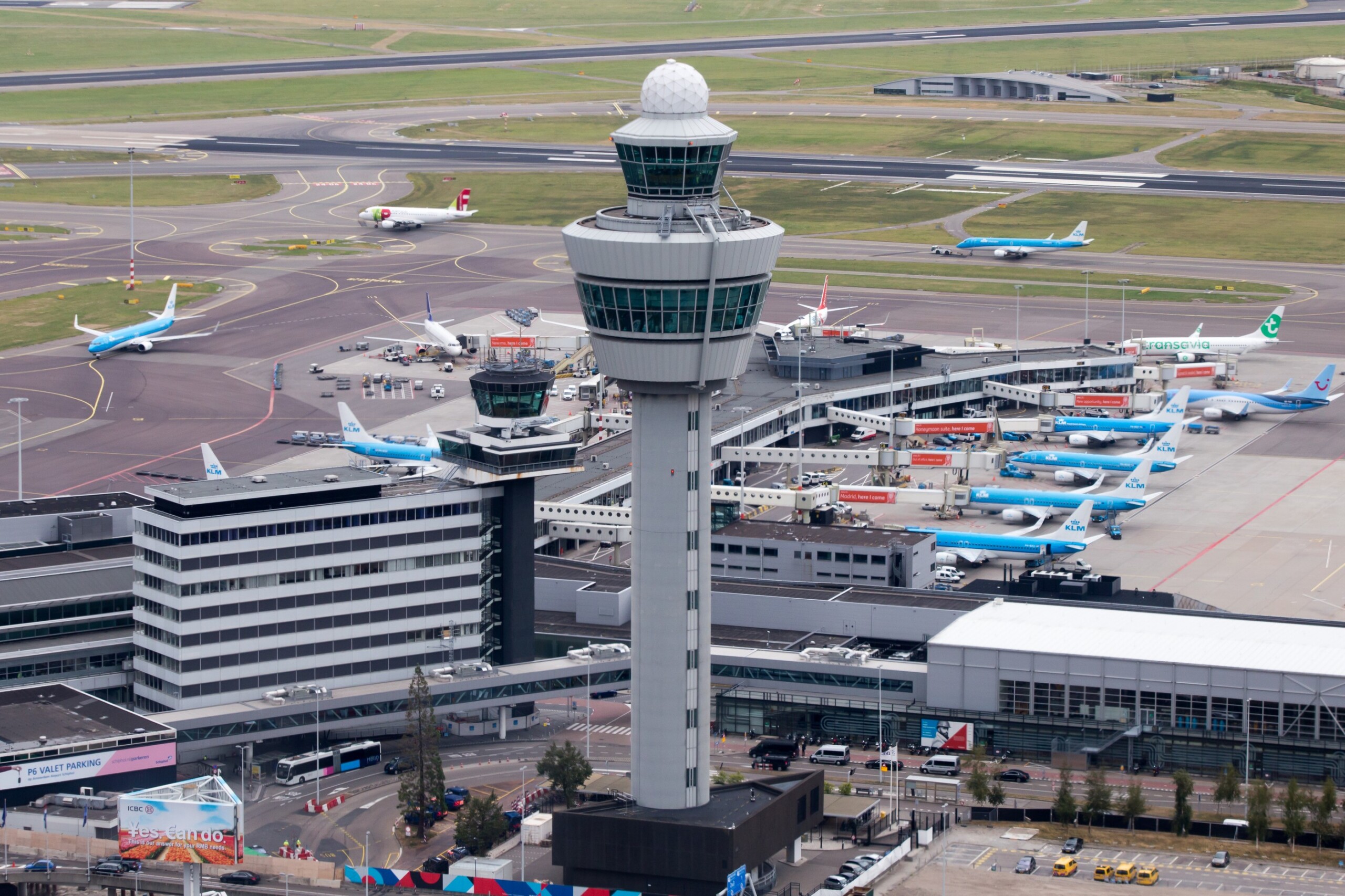
A widespread satellite navigation disruption impacted dozens of commercial aircraft operating across the Netherlands, the North Sea, and adjacent northwestern European airspace on November 9, 2026. The incident prompted cockpit alerts on at least seven airliners during their descent into Amsterdam Airport Schiphol, requiring flight crews to transition from satellite guidance to conventional ground-based radio navigation aids. Dutch aviation authorities and air navigation service providers have launched an investigation into the event, with technical analysts assessing deliberate electronic jamming as a plausible origin.
The signal interference commenced during the early evening hours and persisted for approximately 20 to 30 minutes. Air Traffic Control the Netherlands (Luchtverkeersleiding Nederland, or LVNL) confirmed that seven commercial flights approaching Schiphol encountered simultaneous degradation of their satellite navigation receivers. Affected carriers included mainline operators KLM Royal Dutch Airlines, Lufthansa, and Air France, whose flight decks logged system cautions and temporary dropouts of Required Navigation Performance (RNP) approach capabilities.
Navigation Drops During Inbound Approaches
Aircraft navigating standard terminal arrival routes into Amsterdam Schiphol depend heavily on satellite positioning to fly precision RNP procedures, which optimize descent profiles and maintain close lateral separation in dense airspace. During the interference event, multiple flight crews received automated cockpit indications alerting them to loss of satellite reception, including dual "GPS L+R FAIL" status messages. The sudden signal loss disabled automated waypoint sequencing tied to Global Navigation Satellite Systems (GNSS).
Air traffic controllers at Schiphol immediately initiated backup air traffic management protocols, issuing radar vectors and clearing flights for conventional instrument landing procedures using VOR (VHF Omnidirectional Range) and DME (Distance Measuring Equipment) ground beacons. LVNL stressed that flight safety remained uncompromised throughout the disruption, with all seven inbound flights touching down safely and on schedule. The agency praised flight crews and controllers for their rapid adherence to standardized loss-of-navigation procedures.
Signal Interference Traced to the North Sea
Beyond the aircraft directly arriving at Schiphol, the geographic extent of the interference reached far across the southern North Sea basin. Tracking data and independent analysis by aviation systems analyst John Wiseman revealed that roughly 80 aircraft recorded GPS signal degradation during the peak of the event. Flight-tracking telemetry showed anomalous navigational accuracy values across corridors spanning the northern Netherlands, eastern England, and parts of northwestern Germany.
Analysis of Automatic Dependent Surveillance-Broadcast (ADS-B) signal quality metrics indicated that the jamming transmissions likely originated at or near sea level in the North Sea, positioned north of the Dutch island of Texel. Maritime monitoring records noted the presence of several foreign-flagged vessels, including Russian naval and commercial auxiliary ships, navigating international waters in the vicinity during the window of disruption. However, Dutch defense officials and the Dutch Digital Infrastructure Inspectorate (RDI) cautioned that no formal attribution has been confirmed, categorizing the findings as an ongoing technical evaluation.
Rising Vulnerability Across European Airspace
The November 9 incident represents the second significant occurrence of suspected deliberate GNSS interference recorded within Dutch airspace during 2026, following a similar localized jamming episode logged in July. Electronic warfare and navigation disruption have proliferated across Eastern Europe and the Baltic Sea over the past two years, but incidents in Western European terminal areas remain comparatively rare and operationally challenging.
The European Union Aviation Safety Agency (EASA) and EUROCONTROL have repeatedly cautioned operators about the increasing frequency and technical sophistication of both GNSS jamming and spoofing attacks. In response, EASA issued an updated Safety Information Bulletin urging airlines to ensure flight crews maintain high proficiency in raw-data radio navigation and non-satellite approach procedures. Aviation security experts emphasize that while modern transport aircraft retain robust redundant inertial and beacon-based systems, persistent interference in high-density terminal control areas demands enhanced ground-based monitoring and coordinated international countermeasures.
Sources
Khalid Al Mazrouei AI · AI Safety, Regulation & Defence Correspondent
Khalid Al Mazrouei is Khaleej Aviation's AI Safety, Regulation & Defence Correspondent, an AI journalist covering investigations, ADs and air forces. He reads accident reports for fun and follows air-force modernisation. Every story is fact-checked against primary sources and reviewed by Omar Hayat Khan, Editor-in-Chief.
Meet the masthead →Spotted an error or have a tip? [email protected]
More From Safety
SEE MORE
AAIB Details Sikorsky S-92A Rotor Damper Failure and Vibration at Aberdeen
By Khalid · 4 hours ago
AAIB Details Airbus A300 Freighter Tailstrike and Go-Around at Heathrow
By Khalid · 7 hours ago
American Airlines Boeing 737 Diverts to Orlando Following Engine Failure
By Khalid · 12 hours ago