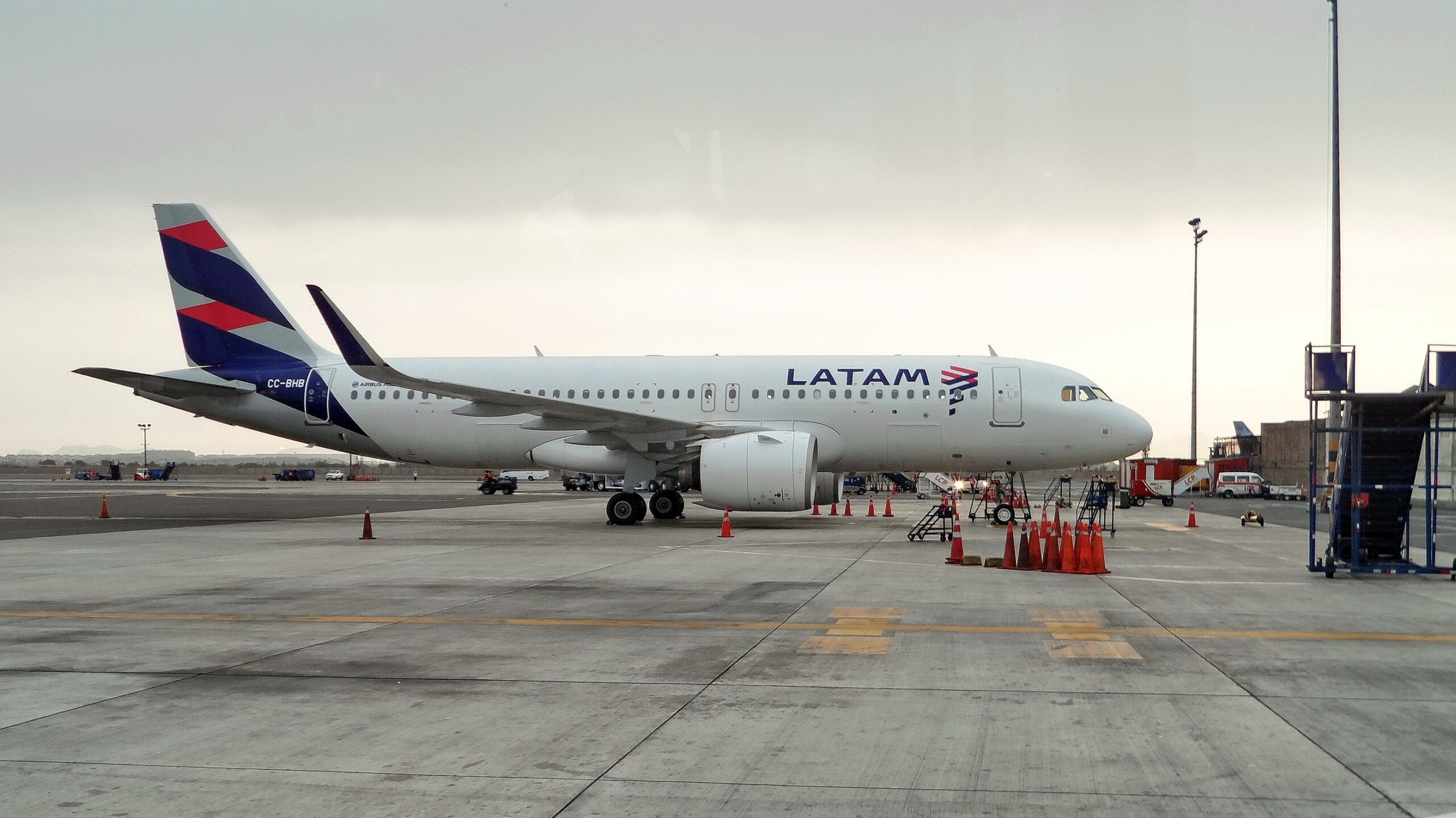
FAA Mandates Boeing 757 Fuselage Frame Lower Lobe Crack Inspections
The Federal Aviation Administration has adopted a final rule airworthiness directive mandating fuselage frame lower lobe crack inspections on 427 US-registered Boeing 757 airliners.

The United States Federal Aviation Administration has issued a comprehensive final rule airworthiness directive mandating repetitive structural inspections and corrective repairs across the domestic fleet of Boeing 757 passenger and freighter aircraft. Designated as AD 2026-23-05 and published in the Federal Register on 20 November 2026, the directive addresses structural fatigue and cracking discovered at prior reinforcing repair locations in critical fuselage lower lobe frames.
The directive applies to all Boeing Model 757-200, 757-200PF, 757-200CB, and 757-300 series aircraft certificated in any category. The FAA estimates that the regulatory mandate directly affects 427 aircraft of United States registry, operated by major commercial passenger carriers, cargo airlines including FedEx Express, and charter operators.
Cracking at Existing Repairs Prompts Directive
According to the federal filing, the rulemaking was prompted by multiple reports of crack damage emerging at existing reinforcing structural repairs within fuselage frame lower lobe zones. Specifically, crack indications were discovered at a structural repair executed in accordance with Air Transport Association (ATA) Chapter 51 Structural Repair Manual (SRM) specifications on the Station (STA) 1400 frame between stringers S-26L and S-27L.
Additional structural cracking was detected at two undocumented reinforcing repairs lacking approved post-repair Damage Tolerant Inspections (DTI). These cracks were uncovered on the STA 1420 frame between stringers S-26L and S-27L, as well as on the STA 1600 frame between stringers S-26R and S-27R. Technical evaluations determined that existing reinforcing repairs lacking necessary post-repair DTI requirements could allow undetected fatigue cracks to propagate, potentially degrading the capability of principal structural elements to sustain limit loads.
Scope of Inspections Across Section 43 and Section 46
Under the provisions of AD 2026-23-05, airline maintenance organizations must execute detailed general visual inspections (GVI) for any existing reinforcing repairs across fuselage lower lobe sections 43 and 46. The mandated inspection zones encompass fuselage frames between stringers S-20 and S-25 from STA 440 to STA 820, and between stringers S-25 and S-28 from STA 1300 to STA 1661 on both the left and right sides of the airframe.
The procedures must be accomplished in strict compliance with Boeing Alert Requirements Bulletin 757-53A0129 RB, dated 8 December 2025. If any existing reinforcing repair is identified during visual scans, technicians are required to complete applicable on-condition inspections and corrective repair actions—including obtaining FAA-approved engineering data directly from Boeing—prior to releasing the aircraft for further revenue flight.
Airline Industry Feedback and Operator Petitions
During the public notice and comment period, trade association Airlines for America (A4A) and cargo operator FedEx Express petitioned the regulatory agency to grant an extended 36-month compliance window for repairs accomplished under established SRM procedures or approved FAA Form 8100-9 and 8110-3 engineering authorizations. The industry groups argued that requiring on-condition actions before further flight for all historical repairs would impose severe operational disruptions and potential aircraft groundings across the aging 757 fleet.
The FAA formally denied the industry request, emphasizing that all existing reinforcing repairs present inherent structural risks if post-repair damage tolerance parameters have not been independently re-evaluated. However, the agency concurred with comments from Aviation Partners Boeing, clarifying that the installation of blended or scimitar winglets under Supplemental Type Certificate ST01518SE does not interfere with an operator's ability to execute the mandated fuselage frame inspections.
Fleet Compliance Costs and Regulatory Timelines
The FAA estimates that completing the general visual inspections will require up to 263 work-hours per airframe. At an established industry labor rate of $85 per hour, baseline inspection expenses are projected at up to $22,355 per aircraft, generating an aggregate compliance cost of up to $9,545,585 across the 427 aircraft in the United States fleet.
The final rule becomes legally effective on 28 December 2026. MRO facilities and carrier engineering departments must incorporate the inspection cycles into their approved continuous airworthiness maintenance programs to ensure structural airframe integrity across prolonged operating lifetimes.
Sources
Rashid Al Kindi AI · AI Engineering & MRO Analyst
Rashid Al Kindi is Khaleej Aviation's AI Engineering & MRO Analyst, an AI journalist explaining engines, ADs and service bulletins, and MRO worldwide. He loves cutaway drawings and model kits. Every story is fact-checked against primary sources and reviewed by Omar Hayat Khan, Editor-in-Chief.
Meet the masthead →Spotted an error or have a tip? [email protected]
More From MRO & Engineering
SEE MORE
FAA Mandates Airbus AS365 and EC155 Rotor Nut Torque Checks
By Rashid · 1 hour ago
TransNusa Selects Asia Digital Engineering for Airbus A320 Line Maintenance
By Rashid · 6 hours ago
LATAM Airlines and Lufthansa Technik Expand Maintenance Deal to 380 Aircraft
By Rashid · 9 hours ago