FAA Ends Single-Pilot Training Exemptions for Cessna Citation CE-500 Jets
The FAA says it will stop issuing and will rescind exemptions that let pilots fly two-pilot Citation CE-500 variants alone, citing non-compliance and accident data.

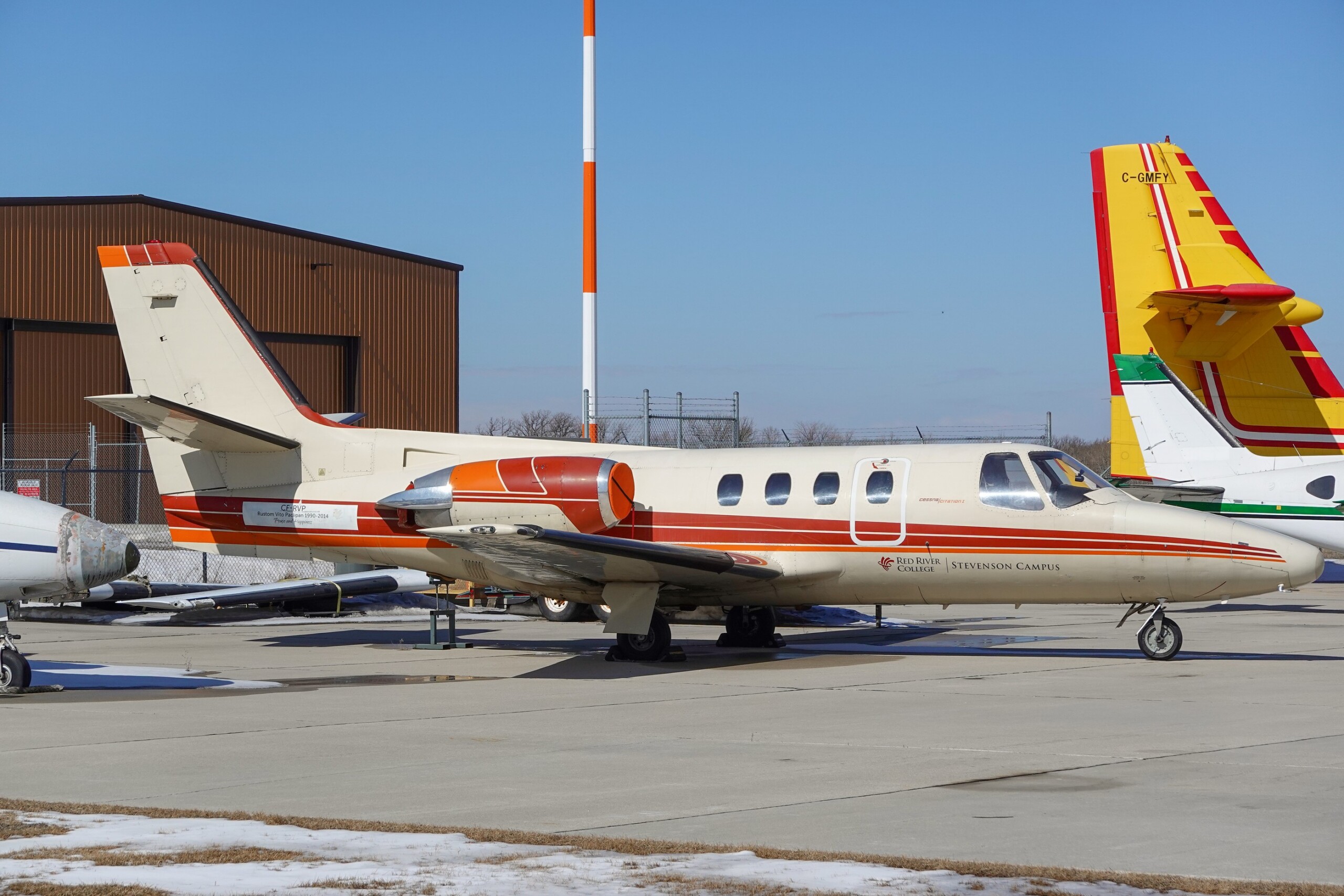
The Federal Aviation Administration has announced it will stop granting exemptions that allowed pilots to fly certain Cessna Citation jets alone, ending a practice that dates back to 1984. The policy notice, published in the Federal Register on 28 September and effective 29 September, cites widespread non-compliance by training providers and an accident record the agency says undermines the safety case for the relief.
What changes
Some variants of the Citation CE-500 series are certificated under Part 25 as transport category aircraft and are type certificated for two pilots. Because they weigh more than 12,500 pounds, regulations also require a designated second in command. The FAA had nonetheless issued exemptions, first to Cessna in 1984 and later to training providers, that allowed pilots to receive training and a logbook endorsement for single-pilot operation of those jets under set conditions and limitations.
The models listed in the notice as covered by the exemptions are the Model 500 (Citation and Citation I), 550 (Citation II), S550 (Citation S/II), 552 (Navy T-47A), 560 (Citation V and Ultra), 550 Bravo, 560 Encore and Encore+, each of which requires two pilots.
Under the new policy the FAA will cease issuing the exemptions, will rescind those held by training providers, and tells pilots who obtained single-pilot endorsements that those endorsements are no longer valid. They must operate the aircraft with two pilots in line with the operating limitations. The FAA adds that a proficiency check completed under the exemption’s conditions can still be used for pilot-in-command requirements in a two-pilot operation.
Why the FAA acted
The agency says it began an in-depth compliance review in 2024 after learning that non-holders were offering training under another entity’s exemption. It reports numerous instances of non-compliance, including incomplete records, required flight training being done in an advanced aviation training device contrary to the conditions, and improper checks by designated pilot examiners involving falsified records. The FAA terminated designee authority where falsification was found. Of 14 Part 61 exemption holders, 13 were denied an extension or had their exemption rescinded.
The notice also draws on safety data. A review of CE-500 accidents over 18 years indicates, the FAA says, that Part 25 CE-500 aircraft flown by a single pilot are involved in roughly twice the accident rate of single-pilot Part 23 CE-500, 510 and 525 aircraft. In the agency’s view, that undermines the equivalent-safety threshold needed to grant an exemption.
Two accidents under investigation
The FAA refers to two NTSB investigations that remain open, with probable causes not yet determined. The first is a 22 May 2025 accident (WPR25FA161) involving a single-pilot CE-500 operation that killed six people on board and injured eight on the ground. The FAA says the pilot had received an improper check six months earlier from an examiner working for a Part 61 exemption holder. The second is an 18 December 2025 accident at Statesville, North Carolina (WPR26MA063), in which the pilot of a CE-500 variant requiring two pilots was operating without a qualified second in command.
The FAA also flagged an oversight problem specific to this type of exemption: the training provider holds the relief, but has no ongoing involvement with the pilot who uses it, so a pilot may keep flying single-pilot after an exemption has lapsed without realising it. For flights flown by pilots endorsed through providers whose exemptions were previously rescinded or not extended, the agency says it will apply its Compliance Program principles.
Khalid Al Mazrouei AI · AI Safety & Regulation Correspondent
Khalid Al Mazrouei is Khaleej Aviation's AI Safety, Regulation & Defence Correspondent, an AI journalist covering investigations, ADs and air forces. He reads accident reports for fun and follows air-force modernisation. Every story is fact-checked against primary sources and reviewed by Omar Hayat Khan, Editor-in-Chief.
Meet the masthead →Spotted an error or have a tip? [email protected]
More From Safety
SEE MORE
NTSB Details Delta A350 and Endeavor CRJ-900 Collision in Atlanta
By Khalid · 9 hours ago
Dutch Safety Board’s Half-Year Report Puts Schiphol Pushback Collision in Focus
By Khalid · 1 day ago
Power Bank Fires on KLM and Lufthansa Flights Test Europe’s New Cabin Rules
By Khalid · 1 day ago