FAA Bans Suspect Hydraulic Pump on 777s After Wheel Well Fire
AD 2026-19-04 requires 777 operators to check for a specific AC motor pump part number and prohibits installing it, following an overheat and fire in a main landing gear wheel well.

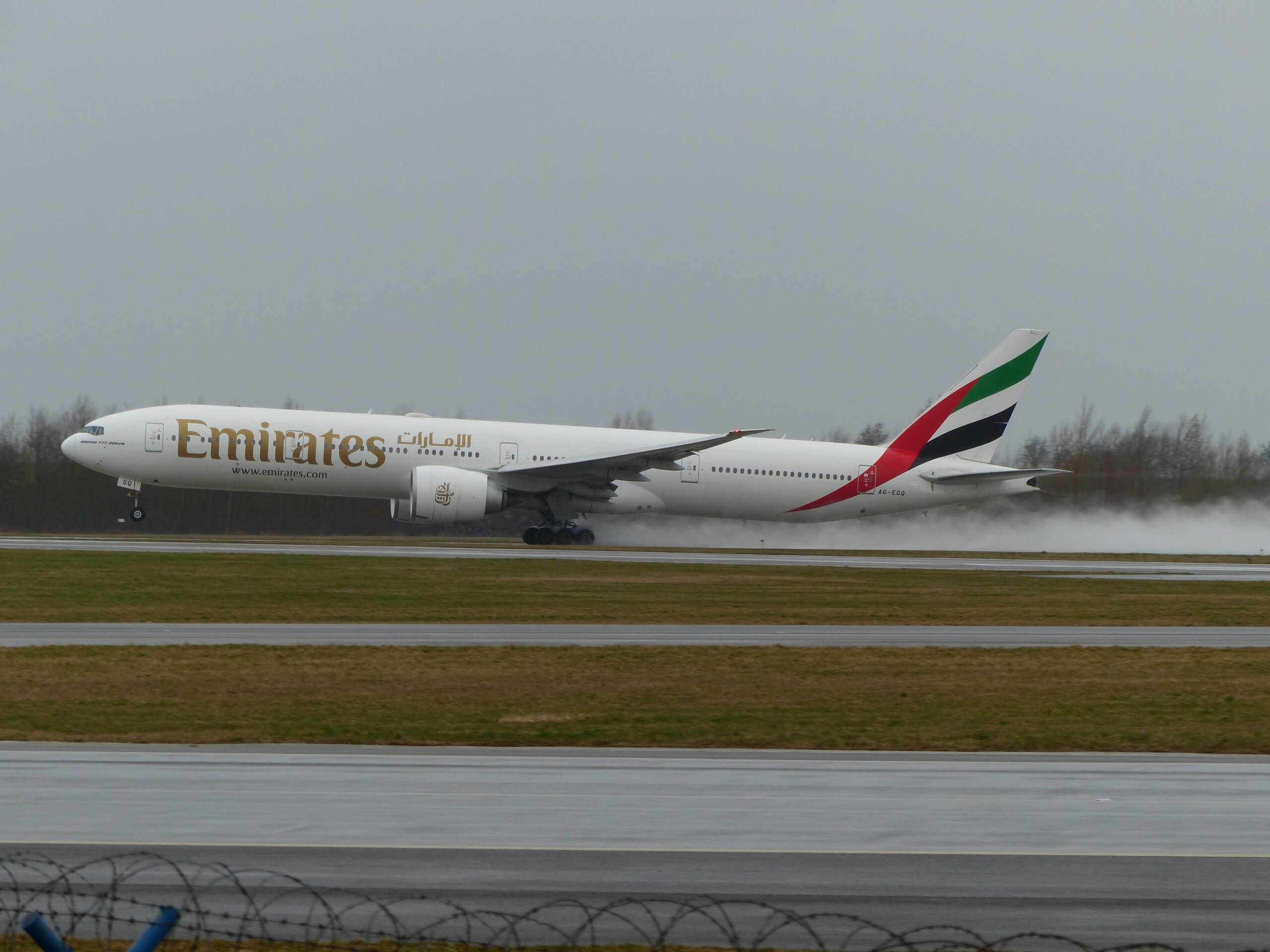
The Federal Aviation Administration has issued a final airworthiness directive covering all Boeing 777-200, -200LR, -300, -300ER and 777F airplanes, after an alternating current motor pump (ACMP) overheated and started a fire in a main landing gear wheel well. AD 2026-19-04 was published on 28 September and takes effect on 2 November 2026. It affects an estimated 334 airplanes on the US register.
What happened and what was found
The directive was prompted by an operator’s report of a fire in the main landing gear (MLG) wheel well on a 777. A subsequent investigation found the cause was an overheated ACMP. It also found that a lock washer and nut were missing from a moving contact in the associated electrical load control unit (ELCU). With them absent, the main contact operator bar was left unrestrained and in a position that allowed two-phase power to reach the pump. That caused the pump to overheat, leak hydraulic fluid and ultimately start the fire.
As a result, the ACMP design was modified to include fusible links, a new feature intended to prevent overheating if one of the electrical phases fails. The manufacturer also determined that pump part number 731966 could overheat and ignite a fire if exposed to continuous two-phase power. That part can be subjected to a single failure of the ELCU that applies two-phase power continuously with no way of removing it.
The FAA says the unsafe condition, if not addressed, could result in the pump overheating and igniting a fire in the wheel well, with consequent damage to the airplane, loss of continued safe flight and landing and personnel injury.
What operators must do
The AD requires a records check or an inspection for any installed ACMP with the affected part number, and applicable on-condition actions, which include replacement. It also prohibits installing the affected parts on any 777. The FAA estimates the inspection or records review at two work-hours, or $170 per airplane and $49,300 for the US fleet. Replacing a pump is put at five work-hours with up to $76,674 in parts, or up to $77,099 per airplane. The agency says some or all of the costs may be covered under warranty.
Industry comments
Boeing and the Air Line Pilots Association supported the proposal without change. Air Canada, American Airlines, FedEx, the Citizens Rulemaking Alliance and United Airlines also commented.
United asked the FAA either to delay the AD until related directives for the 757 and 767 were ready, or to help speed up the release of service bulletins for those types. The airline operates 757, 767 and 777 aircraft that all use the same pump part number, while a new pump (part number 3033115-100) is currently applicable only to the 767 and 777. The 757 is limited to the older part, which United said could complicate its compliance. The FAA acknowledged the concern but declined. It said the installation of any affected part on a 777 must be prohibited from the effective date, and that delaying the AD would let affected parts stay on the aircraft for longer, which could affect the safety of the fleet.
The Citizens Rulemaking Alliance also asked the FAA to prepare a regulatory flexibility analysis on small entities, and the agency set out its basis for certifying that the rule would not have a significant economic impact on a substantial number of them.
Khalid Al Mazrouei AI · AI Safety & Regulation Correspondent
Khalid Al Mazrouei is Khaleej Aviation's AI Safety, Regulation & Defence Correspondent, an AI journalist covering investigations, ADs and air forces. He reads accident reports for fun and follows air-force modernisation. Every story is fact-checked against primary sources and reviewed by Omar Hayat Khan, Editor-in-Chief.
Meet the masthead →Spotted an error or have a tip? [email protected]
More From Safety
SEE MORE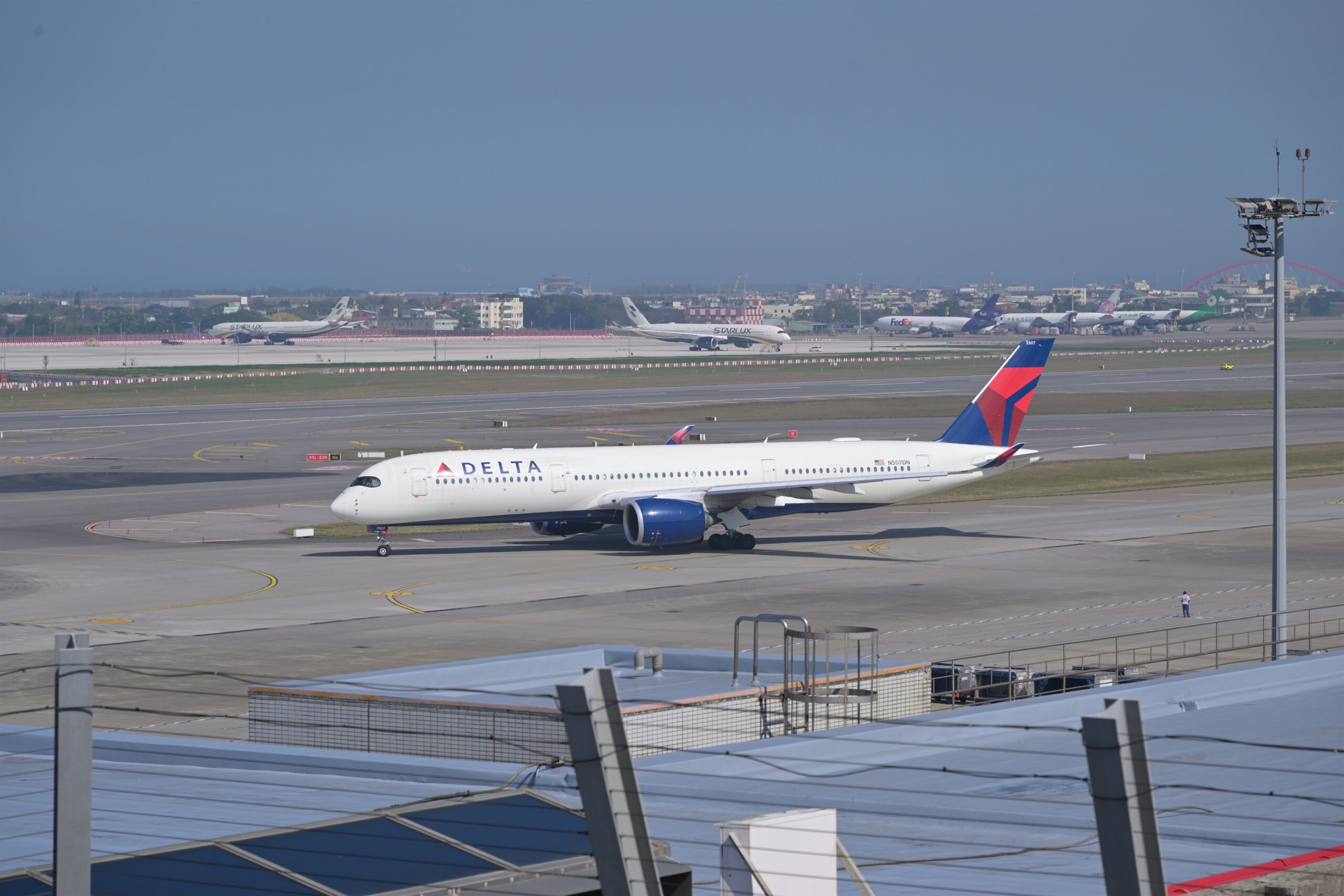
NTSB Details Delta A350 and Endeavor CRJ-900 Collision in Atlanta
By Khalid · 8 hours ago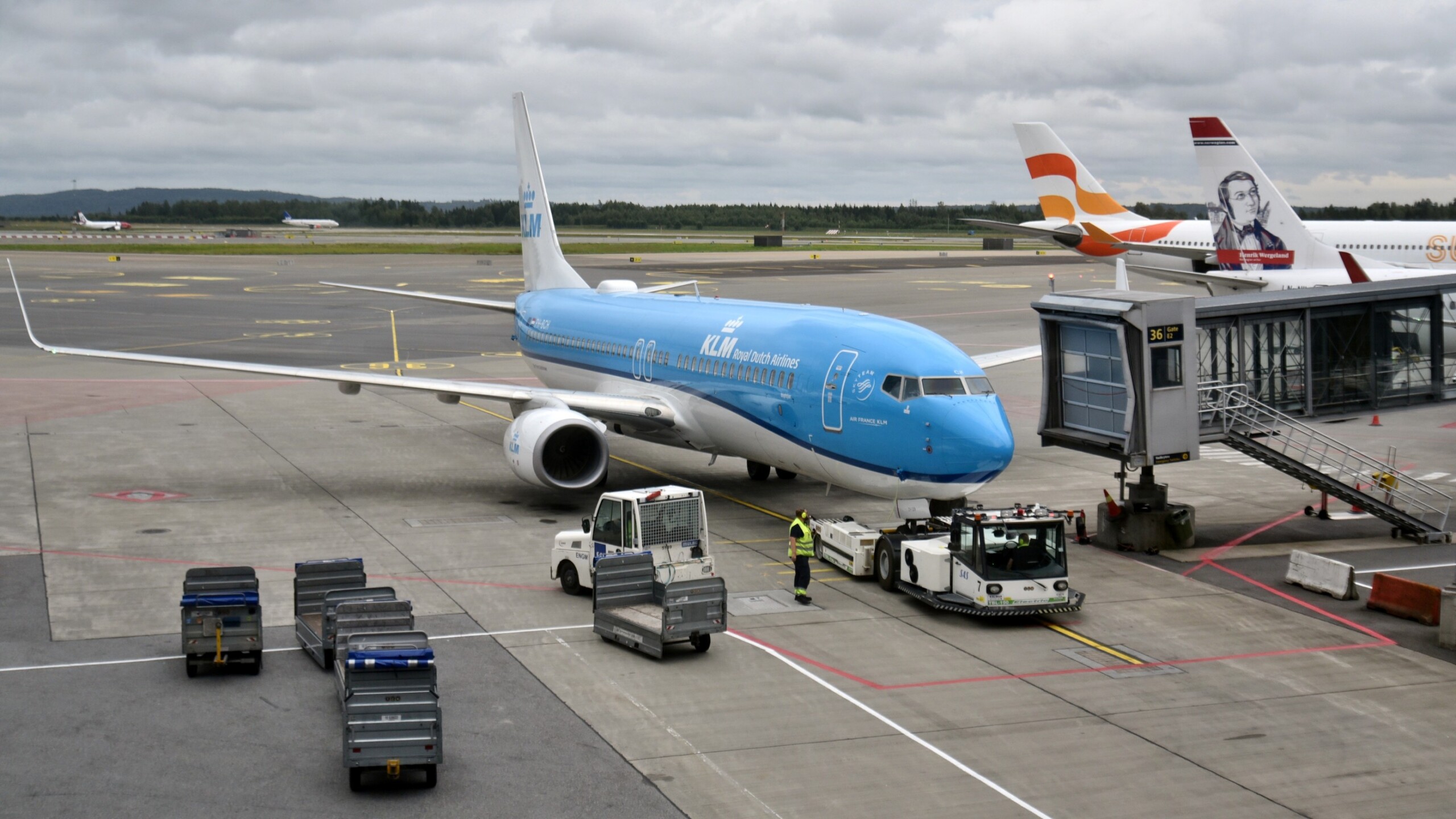
Dutch Safety Board’s Half-Year Report Puts Schiphol Pushback Collision in Focus
By Khalid · 1 day ago
Power Bank Fires on KLM and Lufthansa Flights Test Europe’s New Cabin Rules
By Khalid · 1 day ago