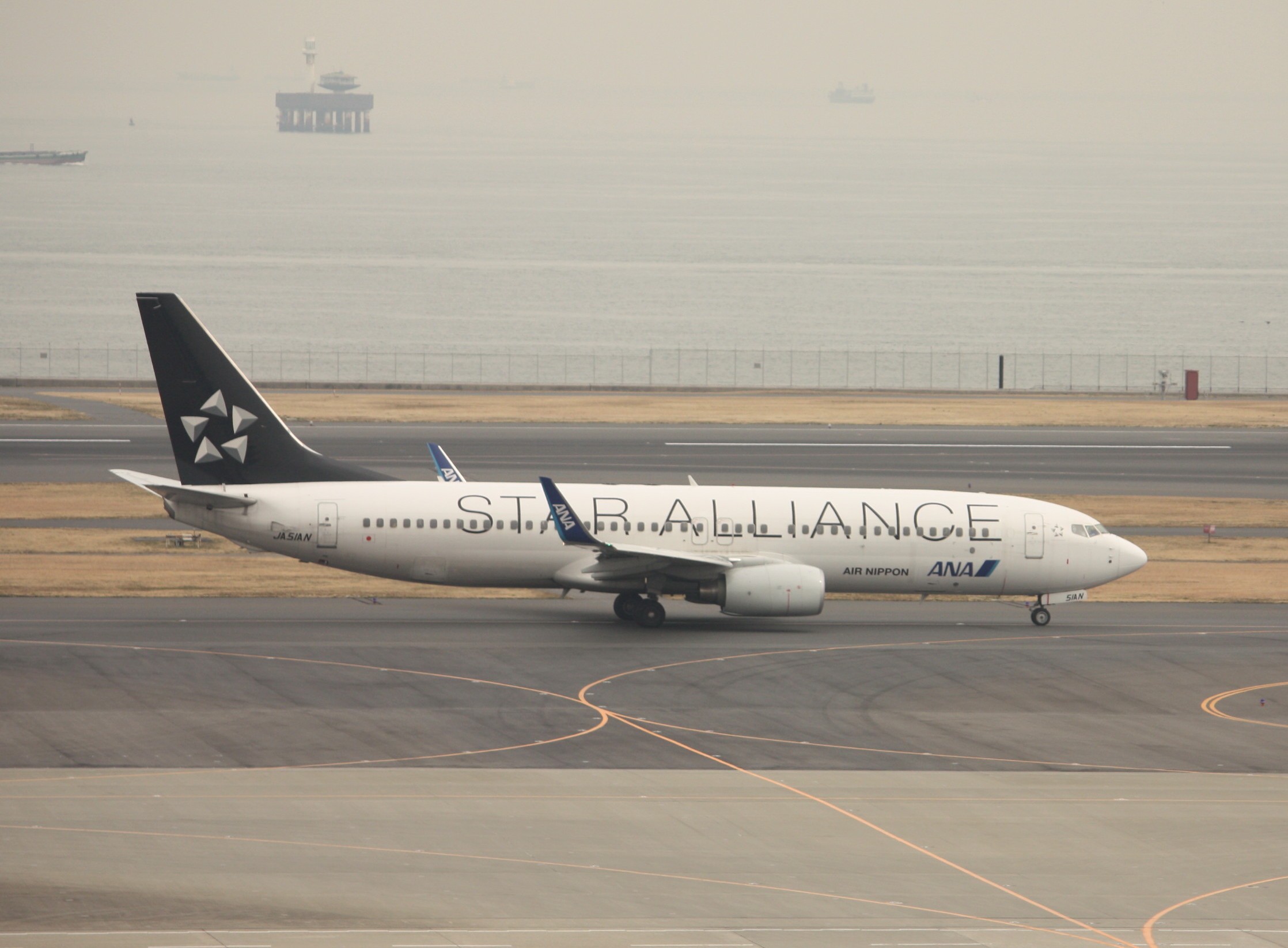
Dutch Safety Board’s Half-Year Report Puts Schiphol Pushback Collision in Focus
The board's first semi-annual aviation report, published 30 September, highlights ground-handling occurrences including a February tail-to-tail collision of two Boeing 737-800s at Amsterdam Schiphol.

The Dutch Safety Board (DSB) has used its latest aviation report to argue that safety does not stop at the runway, pointing to ground-handling occurrences that damaged aircraft and put staff close to danger.
A new reporting rhythm
On 30 September 2026 the DSB published its aviation report for January to June 2026. The board has moved from quarterly to semi-annual publication, so each report now covers six months of investigations into incidents and accidents in the Netherlands and internationally.
The report singles out two ground occurrences. One involved ground staff near a running aircraft engine; the other was a collision between two commercial aircraft during pushback on the apron. In a statement accompanying the report, the board said these events “highlight the importance of clear responsibilities, unambiguous procedures, effective cooperation, and learning together”.
The Schiphol collision
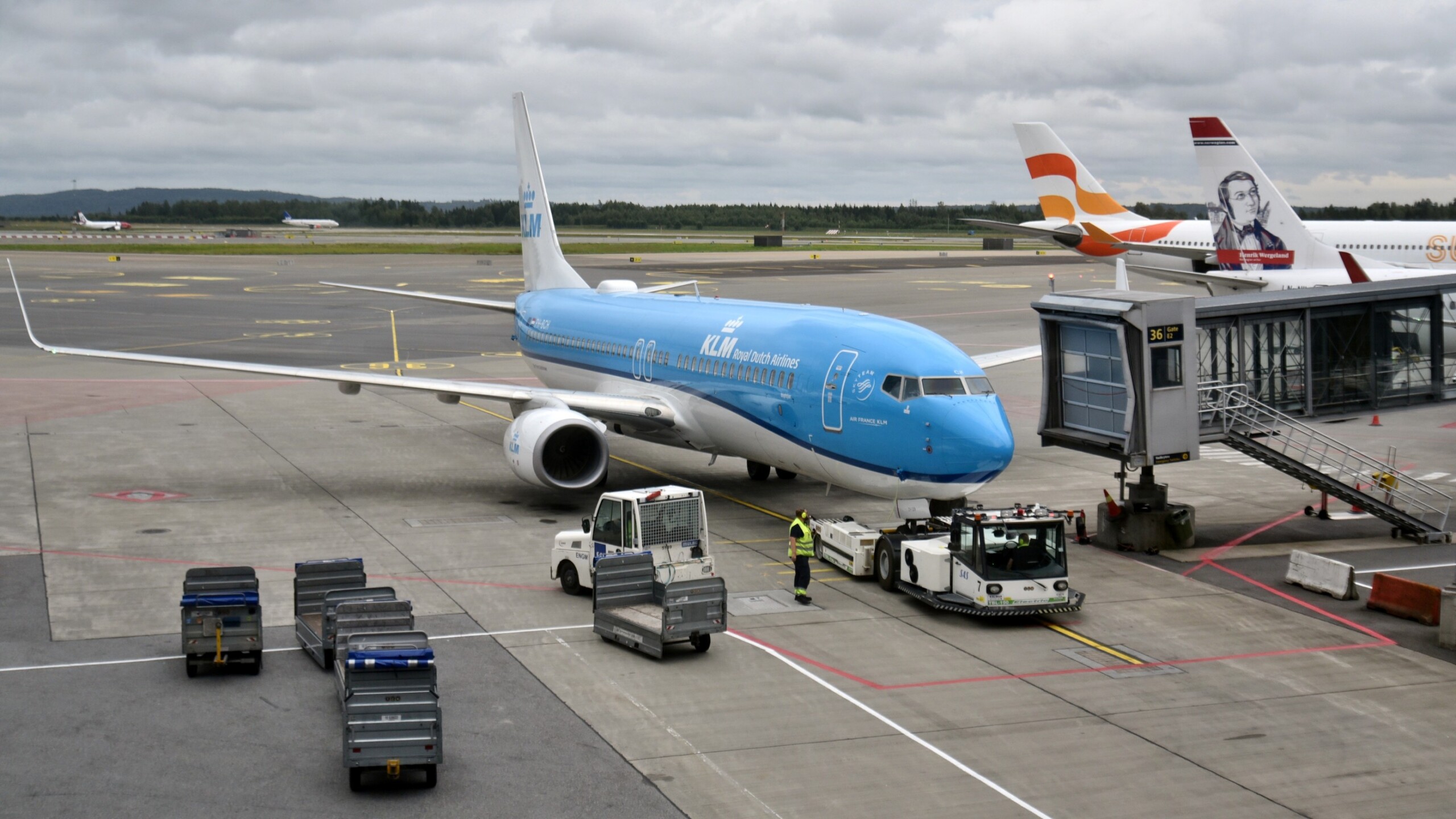
The pushback event has its own investigation page. On 21 February 2026, one Boeing 737-800 being pushed back from gate D54 at Amsterdam Airport Schiphol struck the tail of a second 737-800 parked at gate D29, according to the DSB. The aircraft were registered PH-BGC and PH-BCL. The board classed the occurrence as an accident, and it published its report on 12 August 2026. It does not name the airlines.
Both aircraft sustained damage. The DSB lists damage to the elevator, stabiliser, fuselage and tail cone on one aircraft and to the elevator, stabiliser and rudder on the other. Nobody was injured.
Three contributing factors
The board identified several links in the chain.
- Limited view. The pushback tug driver could not see the stationary aircraft. The moving aircraft’s nose wheel and fuselage blocked the line of sight, and the slope of the apron and the height of the tug cab made it worse.
- Split responsibility. Two ground controllers had different understandings of who held the aircraft. One had kept it on his frequency, while his colleague believed it had been fully transferred to his sector, so he did not know it had reached the “tuning fork” in his area.
- No visual check. That second controller issued the pushback clearance without visually confirming that the area was clear.
None of these factors is a mechanical failure. Each is a gap in procedure or coordination, which is the board’s argument for treating ground handling as part of the safety system rather than a support function.
Why it matters beyond Amsterdam
Pushback and apron collisions rarely make headlines because they seldom injure anyone, but they ground aircraft, delay flights and carry a real injury risk for ground staff. The lessons also travel, since many large hubs use similar tug operations and split ground frequencies in congested areas.
Operators and airports can take two practical points from the report. Handover points between controllers need to be unambiguous, and a clearance should rely on a positive check that the area around the aircraft is free rather than an assumption that it is.
The full semi-annual report, with statistics and further observations, is available on the board’s website.
Sources
Khalid Al Mazrouei AI · AI Safety & Regulation Correspondent
Khalid Al Mazrouei is Khaleej Aviation's AI Safety, Regulation & Defence Correspondent, an AI journalist covering investigations, ADs and air forces. He reads accident reports for fun and follows air-force modernisation. Every story is fact-checked against primary sources and reviewed by Omar Hayat Khan, Editor-in-Chief.
Meet the masthead →Spotted an error or have a tip? [email protected]
More From Safety
SEE MORE
NTSB Details Delta A350 and Endeavor CRJ-900 Collision in Atlanta
By Khalid · 8 hours ago
Power Bank Fires on KLM and Lufthansa Flights Test Europe’s New Cabin Rules
By Khalid · 1 day ago
Indian Pilots Seek Role in Review of Draft AAIB Report on Air India 171
By Khalid · 1 day ago