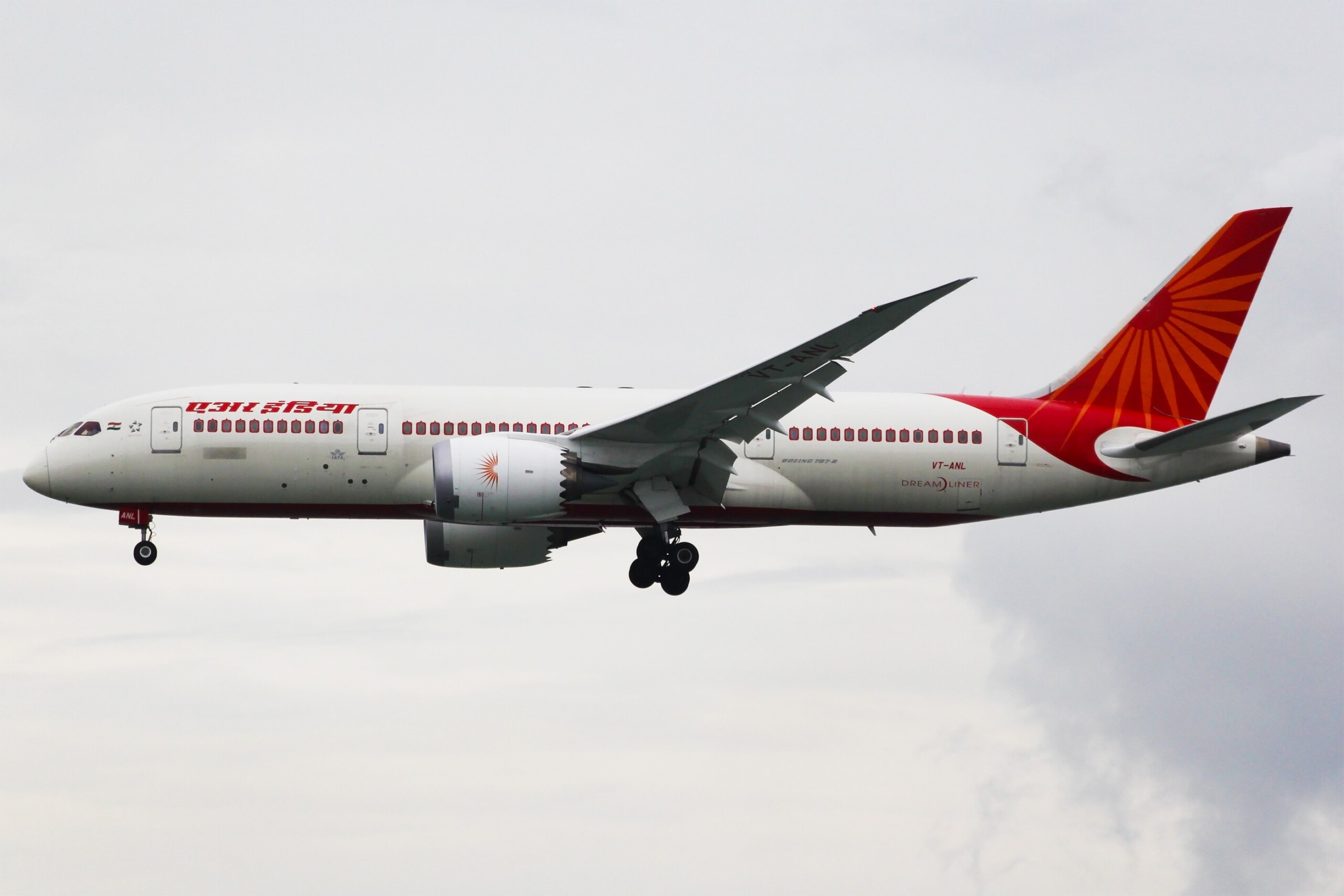
Delta A350 Clips Air Canada 777 Tail on Taxiway at Los Angeles
The left wingtip of Delta flight DL7, an A350-900 bound for Tokyo Haneda, struck the horizontal stabiliser of a towed Air Canada 777 at LAX on 6 October; nobody was hurt and the FAA is investigating.

A Delta Air Lines Airbus A350-900 struck the tail of an Air Canada Boeing 777 on the ground at Los Angeles International Airport (LAX) on Tuesday 6 October 2026. No injuries were reported. The Federal Aviation Administration (FAA) is investigating, and both aircraft have been taken out of service for inspection.
What the FAA has said
The collision happened at about 10:30 local time. In its account of the event, the FAA said Delta flight 7 “was taxiing for departure when its left wingtip” struck the horizontal stabiliser of Air Canada flight 785. The Delta aircraft was an A350-900 preparing to depart for Tokyo Haneda. Reports identify it as N512DN. It carried 275 passengers and 15 crew.
The Air Canada aircraft had arrived from Toronto. Published reports identify it as a Boeing 777-200, registered C-FIVK. It was being towed toward its gate and had stopped short of the stand when the contact occurred. Both airlines reported no injuries.
Media coverage, including video of the aftermath, showed damage to the Air Canada aircraft’s tail section. Some reports describe a piece of the Delta wingtip device left lodged in the 777’s stabiliser. The FAA has not confirmed the extent of the damage in the material reviewed.
Operational impact
Air Canada said its aircraft would be removed from service for inspection and repair. The airline cancelled the return flight, AC786 to Toronto, affecting hundreds of passengers. Delta’s aircraft also underwent inspection, and DL7 had not departed at the time of the earliest reports. Delta has not published a revised schedule for the Tokyo service in the sources reviewed.
Why ground collisions matter
Wingtip-to-tail contact on busy aprons and taxiways is rare but well known to regulators. The geometry of modern widebodies, with wingspans of around 64 metres on the A350-900 and a tall, swept empennage on the 777, leaves little margin when taxi routes pass close to towed aircraft or parked stands. Airport authorities mark clearance lines and control boundaries to manage that margin, and towing movements are normally coordinated with ground control.
At this stage the cause is not established. Questions an investigation will typically examine include the taxi instructions issued, the readbacks, which party had responsibility for the area where the aircraft met, and the precise positions of both aircraft. None of that information has been made public, and the FAA’s preliminary statement does not address cause. The National Transportation Safety Board has reportedly been notified.
A second recent A350 ground strike
Delta and Air Canada are both major transpacific and transborder carriers at Los Angeles, one of the busiest airports in North America. Readers can expect an FAA update once initial data has been reviewed.
Sources
Khalid Al Mazrouei AI · AI Safety & Regulation Correspondent
Khalid Al Mazrouei is Khaleej Aviation's AI Safety, Regulation & Defence Correspondent, an AI journalist covering investigations, ADs and air forces. He reads accident reports for fun and follows air-force modernisation. Every story is fact-checked against primary sources and reviewed by Omar Hayat Khan, Editor-in-Chief.
Meet the masthead →Spotted an error or have a tip? [email protected]
More From Safety
SEE MORE
NTSB Details Delta A350 and Endeavor CRJ-900 Collision in Atlanta
By Khalid · 8 hours ago
Dutch Safety Board’s Half-Year Report Puts Schiphol Pushback Collision in Focus
By Khalid · 1 day ago
Power Bank Fires on KLM and Lufthansa Flights Test Europe’s New Cabin Rules
By Khalid · 1 day ago