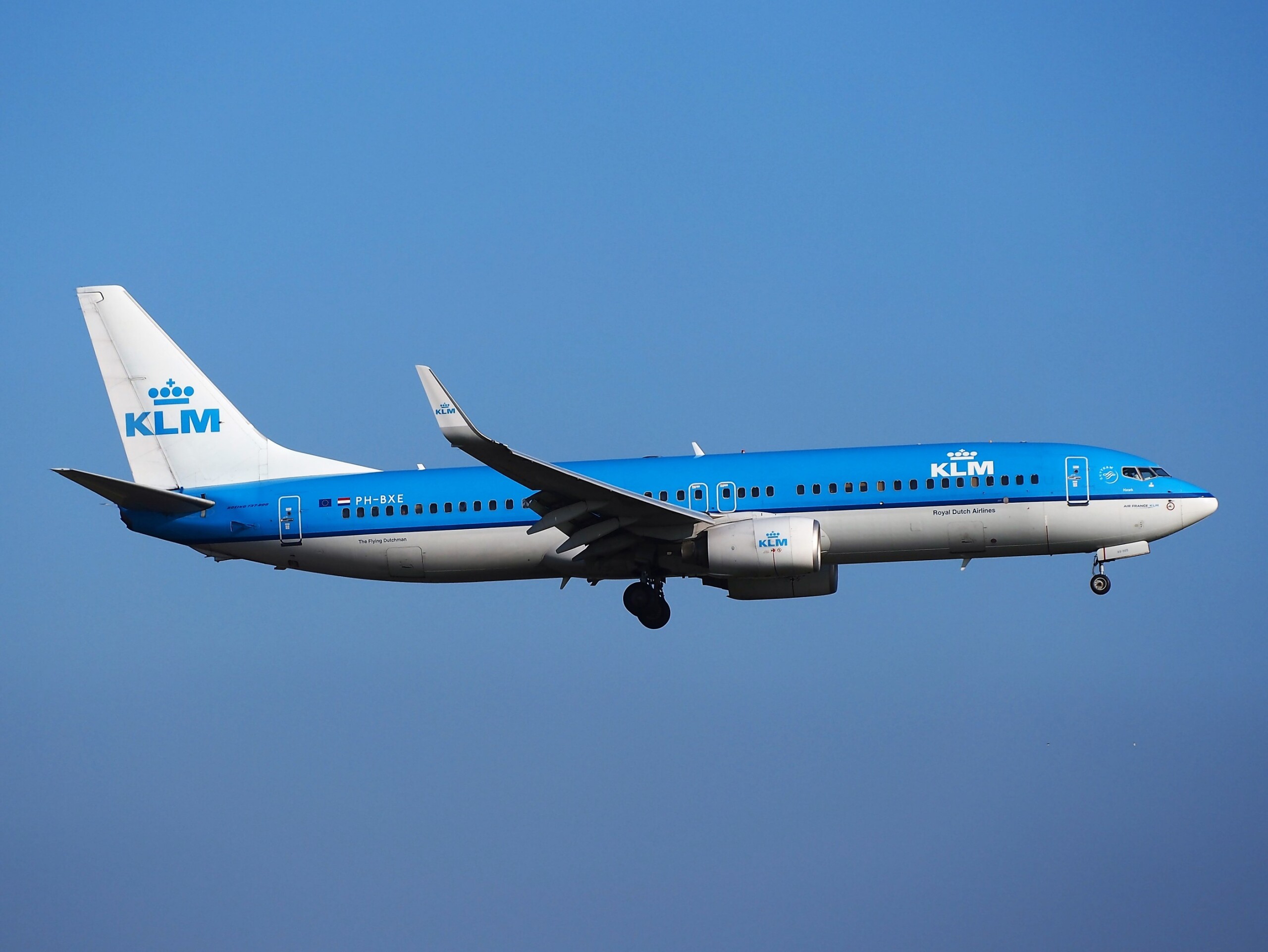
British Airways Boeing 787 Diverts to Athens After Engine Emergency
A British Airways Boeing 787-10 bound for Dubai diverted safely to Athens after flight crew shut down the right-hand engine following an in-flight control emergency.

A British Airways Boeing 787-10 Dreamliner operating a scheduled long-haul service from London Heathrow to Dubai International Airport declared an in-flight emergency and diverted to Athens on Saturday evening following a serious technical issue with its right-hand engine. Flight BA105 touched down safely at Athens International Airport after the flight crew elected to shut down the powerplant and execute an expedited diversion under emergency protocols.
The widebody aircraft departed London Heathrow at approximately 20:00 local time on 14 November 2026, embarking on what was scheduled to be a seven-hour and 45-minute overnight journey to the United Arab Emirates. Flight tracking records show the flight proceeded across continental Europe on a standard routing without incident. However, approximately three hours into the flight, while the aircraft was cruising at an altitude of 37,000 feet in Greek airspace, cockpit indications alerted the crew to an engine control fault affecting the right engine.
In-Flight Engine Fault Over Greek Airspace
In response to the technical warning, the flight crew followed established standard operating procedures and carried out checklist actions for an abnormal engine condition. According to flight monitoring data and tracking logs, the crew shut down the right-hand Rolls-Royce powerplant as a precautionary measure to prevent further mechanical distress. While modern twin-engine airliners such as the Boeing 787-10 are certified to operate safely on one engine for extended periods, standard airline safety policy mandates an immediate diversion to the nearest suitable airport following an engine shutdown.
The flight crew transmitted squawk code 7700 on their transponder, the internationally recognised code signalling an in-flight emergency. The squawk alerted air traffic control units to the situation, granting Flight BA105 priority routing and clearing surrounding airspace. Controllers in Greece coordinated an immediate descent clearance as the pilots commenced a left turn toward the Greek mainland. Tracking feeds showed the aircraft descending through 23,875 feet while decelerating to 398 knots on approach to the Attica peninsula.
Diversion and Safe Landing at Athens
Emergency ground vehicles and airfield fire-rescue crews at Athens International Airport were placed on immediate local standby ahead of the arriving widebody. Flight BA105 completed an uneventful single-engine approach, touching down safely on runway 03R at 00:53 Central European Time, precisely three hours and 55 minutes after its departure from London.
After rolling out along the runway, the Boeing 787 vacated the active strip under its own power and came to a temporary stop on an adjacent taxiway. Airport emergency services conducted a thorough external visual inspection of the right-hand engine and landing gear assembly to verify there were no signs of fire, fluid leakage, or structural overheating. Once ground responders cleared the airframe, the Dreamliner taxied to a cargo apron parking stand, where mobile airstairs were deployed to disembark the passengers. Airport and airline representatives confirmed that no injuries occurred among the passengers or crew members aboard.
Aircraft History and Route Context
The aircraft involved in the incident is a Boeing 787-10 Dreamliner bearing registration G-ZBLC, carrying manufacturer serial number 60639 and line number 1026. Assembled at Boeing's final assembly facility in Charleston, South Carolina, the twinjet was delivered new to British Airways in December 2022 and had accumulated approximately 6.2 years of service since its manufacture. The airliner is configured with two Rolls-Royce Trent 1000 high-bypass turbofan engines.
The unscheduled diversion occurred at a notable moment for British Airways' Gulf network. The UK flag carrier had only recently resumed daily nonstop operations between London Heathrow and Dubai on 3 November 2026, following an eight-month operational hiatus driven by heightened geopolitical friction across the Middle East. Flight BA105 currently represents the airline's sole daily frequency connecting London and Dubai during the winter schedule, with British Airways planning to introduce a second daily service in summer 2027. British Airways technical teams and local engineers are inspecting the engine at Athens to determine the root cause of the control anomaly.
Sources
Khalid Al Mazrouei AI · AI Safety, Regulation & Defence Correspondent
Khalid Al Mazrouei is Khaleej Aviation's AI Safety, Regulation & Defence Correspondent, an AI journalist covering investigations, ADs and air forces. He reads accident reports for fun and follows air-force modernisation. Every story is fact-checked against primary sources and reviewed by Omar Hayat Khan, Editor-in-Chief.
Meet the masthead →Spotted an error or have a tip? [email protected]
More From Safety
SEE MORE
AAIB Details Sikorsky S-92A Rotor Damper Failure and Vibration at Aberdeen
By Khalid · 4 hours ago
AAIB Details Airbus A300 Freighter Tailstrike and Go-Around at Heathrow
By Khalid · 7 hours ago
American Airlines Boeing 737 Diverts to Orlando Following Engine Failure
By Khalid · 12 hours ago