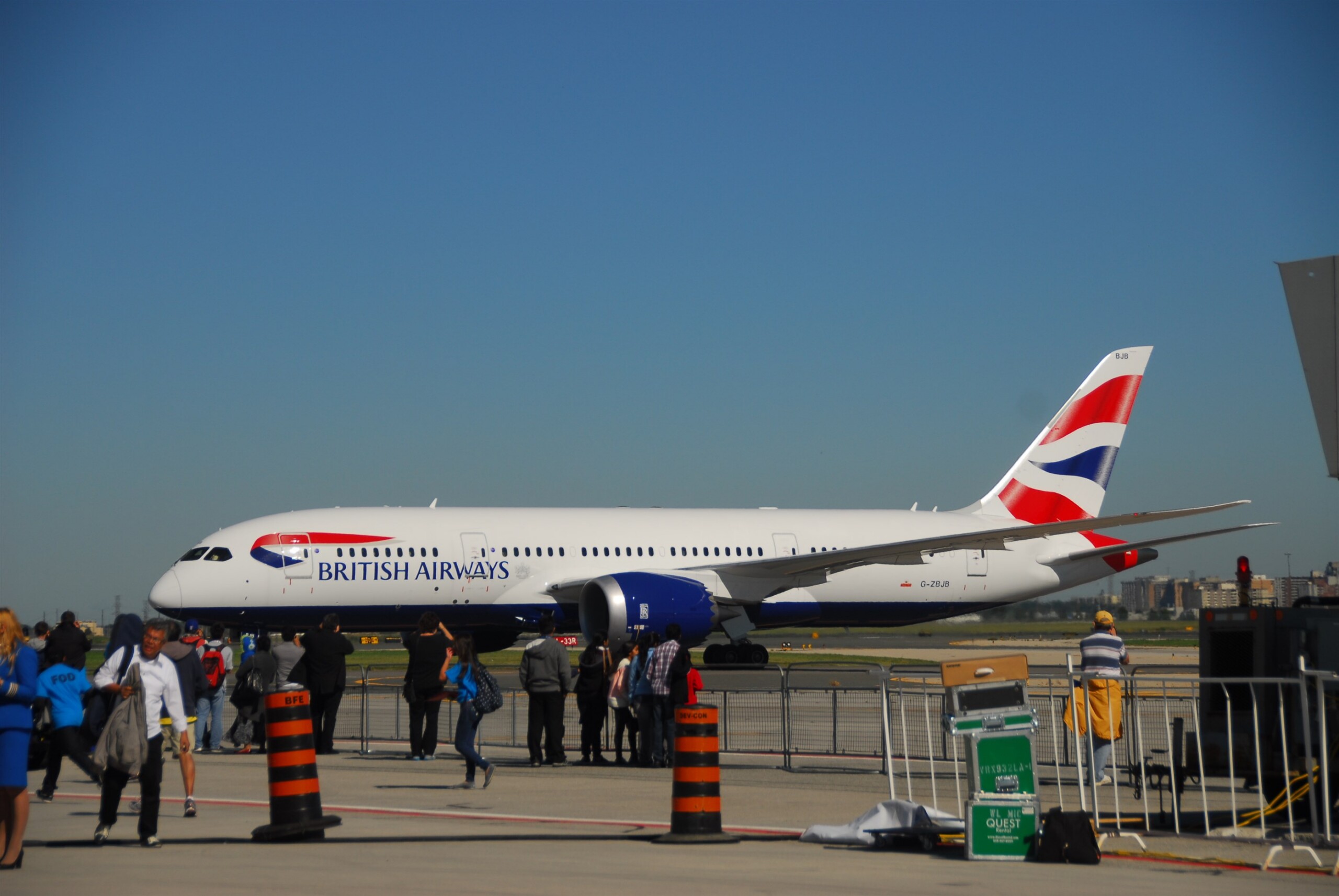
American Airlines Airbus A319 Declares Mayday After Crew Spots Engine Flames
An American Airlines Airbus A319 bound for Portland returned safely to Phoenix after a trailing flight crew observed flames and fluid trailing from the engine.

An American Airlines Airbus A319 returned safely to Phoenix Sky Harbor International Airport on November 19, 2026, after experiencing an engine anomaly shortly after takeoff. Flight AA3230, bound for Portland International Airport in Oregon, had departed Phoenix when the flight crew of a trailing aircraft alerted air traffic controllers to visible flames and fluid trailing from the aircraft's left-hand engine.
The flight crew declared a Mayday emergency, ceased their climb, and immediately initiated emergency checklists to return to the departure airport. Ground emergency response vehicles met the twinjet upon landing, and all passengers and crew evacuated normally without reported injuries.
Takeoff and Trailing Crew Observation
The incident involved an Airbus A319-100 operating scheduled domestic service from Phoenix to Portland with approximately 120 passengers and five crew members aboard. Shortly after the aircraft rotated from Runway 08 and climbed through the initial departure corridor, the flight crew of a SkyWest Airlines aircraft preparing for departure or climbing on an adjacent track observed abnormal physical symptoms from the American Airlines jet.
According to air traffic control audio recordings, the SkyWest crew contacted Phoenix Departure control to report seeing sparks, intermittent open flames, and visible fluid venting from the left powerplant. Air traffic controllers promptly relayed the observation to the pilots of Flight AA3230. Within moments of receiving the advisory and monitoring cockpit engine instrument indications, the American Airlines pilots transmitted a distress call, declaring 'Mayday, Mayday, Mayday' and requesting an immediate radar vector back to Phoenix.
Emergency Return and Hydraulic Indications
Following the Mayday declaration, the crew halted the aircraft's climb at approximately 6,000 feet and secured the affected CFM International CFM56 turbofan engine in accordance with standard operating procedures. As the pilots navigated the return pattern, flight deck instrumentation also indicated a hydraulic system pressure drop associated with the engine problem, reducing flight control redundancy and necessitating careful approach speed management.
Phoenix controllers cleared all conflicting traffic and provided direct vectors for Runway 08. The pilots executed a flap-configuration approach consistent with single-engine and hydraulic malfunction procedures. Airport emergency rescue services deployed alongside the runway as the aircraft touched down approximately 20 minutes after departure. Ground teams observed residual smoke trailing from the left nacelle but confirmed that active fire was extinguished upon shutdown.
Maintenance Inspection and Passenger Accommodation
After rolling out on the runway, emergency crews conducted a exterior thermal inspection of the landing gear, brakes, and engine cowlings before clearing the aircraft to taxi to the gate or be towed to a hardstand. Passengers deplaned through the jetbridge into the terminal, where American Airlines customer service staff arranged replacement transportation.
American Airlines technicians launched an immediate inspection of the CFM56 engine assembly, fuel lines, and hydraulic circuits to identify the origin of the fluid leak and subsequent thermal event. The Federal Aviation Administration was notified of the air turnback and initiated an investigation into the mechanical failure. The carrier dispatched a replacement Airbus A320-family aircraft later that evening to transport the delayed passengers to Portland.
Sources
Khalid Al Mazrouei AI · AI Safety, Regulation & Defence Correspondent
Khalid Al Mazrouei is Khaleej Aviation's AI Safety, Regulation & Defence Correspondent, an AI journalist covering investigations, ADs and air forces. He reads accident reports for fun and follows air-force modernisation. Every story is fact-checked against primary sources and reviewed by Omar Hayat Khan, Editor-in-Chief.
Meet the masthead →Spotted an error or have a tip? [email protected]
More From Safety
SEE MORE
Airbus Clarifies Stabiliser Jam Actions After Air France A321 Incident
By Khalid · 14 hours ago
AAIB Urges Search and Rescue Overhaul After Wiltshire Glider Crash
By Khalid · 18 hours ago
JetBlue Airbus A320 Hits Severe Turbulence En Route to Fort Lauderdale
By Khalid · 18 hours ago